Is the Philippines Worth Visiting? 7 Honest Reasons To Go

If you’re asking “Is the Philippines worth visiting?” — you’re definitely not alone. It’s one of the most common questions I get about my home country.
I was born and raised in the Philippines, and I still travel back regularly — for family, island time and a lot of diving. So I’ll answer this honestly, clearly, and without sugarcoating:
Yes — the Philippines is absolutely worth visiting.
But it’s worth visiting when you plan it right.
Let me walk you through why, what to expect, and how to decide if it’s the right destination for you. Let’s dive in!
PLAN YOUR TRIP WITH MY FAVORITE RESOURCES
Find your stay: Booking.com
Book top-rated tours: GetYourGuide.com
Travel insurance: SafetyWing
Dive insurance: DAN (Divers Alert Network)

What Makes the Philippines Worth Visiting
For me, the Philippines is worth visiting for one main reason: nature — and the people who live with it.
This is a country made up of 7,641 islands, and that alone changes how life feels.
If you’re flying in from another country, the shift feels immediate. The weather is warmer, yes — but so is the rhythm of life.
Things move slower. Priorities are simpler. People find joy in small things — a shared meal, a good laugh, food on the table.
Of course, the landscapes are stunning — beaches, cliffs, volcanoes, waterfalls, busy cities, and quiet fishing villages, sometimes all in the same trip. But what really makes the Philippines special is how human it feels.
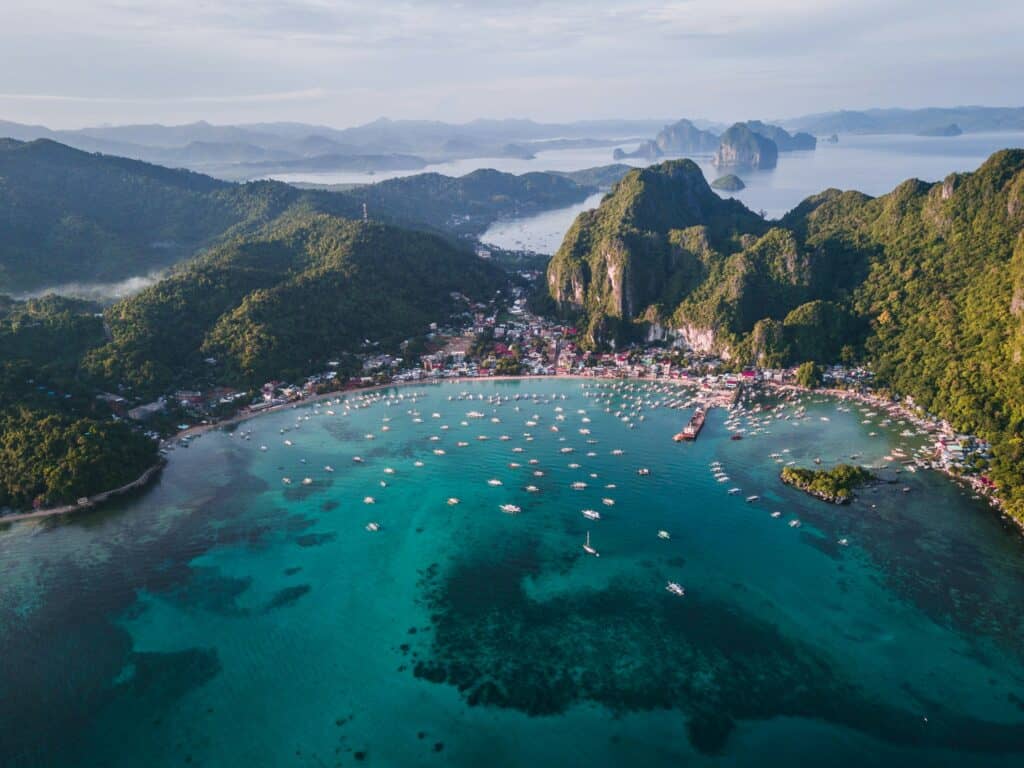
You land, the air is warm, people smile easily, and travel feels personal.
Locals don’t just point you in the right direction — they walk you there. They help, not because it’s their job, but because that’s how things work here.
That combination — raw nature and genuine human connection — is hard to find elsewhere. And it’s the real reason I keep coming back.
Now, let’s break this down in practical terms and look at what actually makes the Philippines worth visiting — beyond the photos and hype.
7 Reasons the Philippines Is Worth Visiting
Here are seven honest, experience-based reasons the Philippines keeps pulling travelers back — and why it might be the right destination for you too.
7. Amazing Value for Your Money
The Philippines offers excellent value, especially when it comes to experiences.
You can stay in comfortable hotels, join island-hopping tours, eat well, move between islands, and still feel like your money goes a long way.
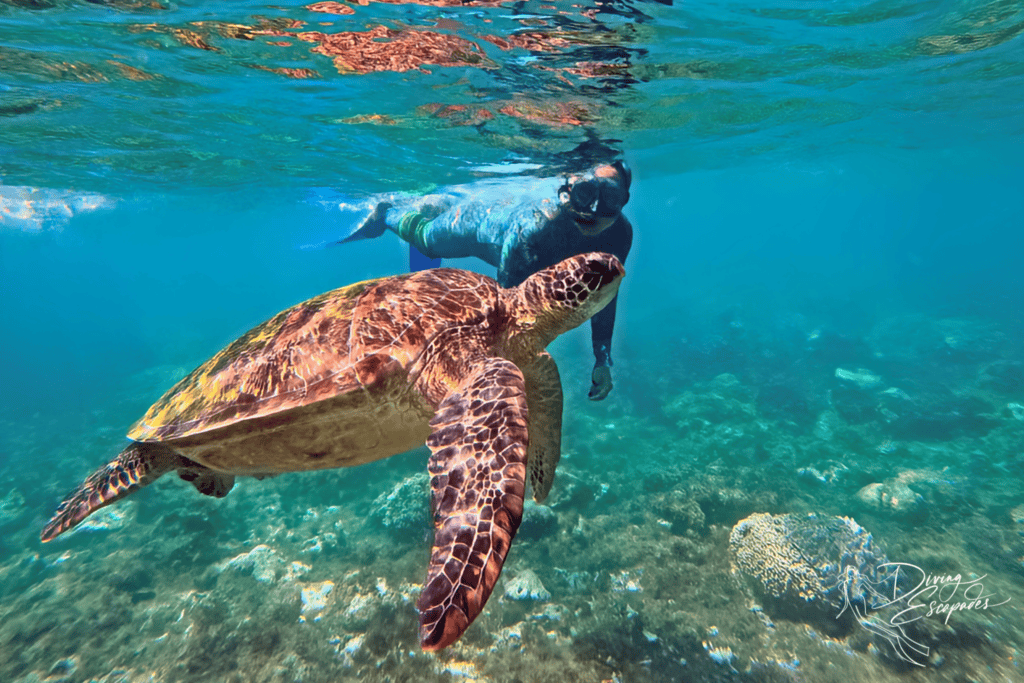
This really stands out with water activities. Concierge-style diving is common — your gear is set up for you, staff assist you throughout the dive, and you’re genuinely looked after.

I’ve had moments where I was already in the water and the crew helped fit my BCD and fins. That level of care often costs much more in other destinations.
I’ve also hired private snorkeling or freediving guides and photographers for around $12 USD per hour, and joined a full-day private boat and island-hopping tour in Coron — including lunch and a guide — for about $35 USD per person. That kind of access and attention is hard to beat.
The key is choosing reputable operators. Be selective, know what normal prices look like, read reviews, and don’t be afraid to ask questions.
That’s exactly why I share these guides — so you get great experiences without overpaying or ending up with the wrong one.
6. English Is Widely Spoken
Travel here is far less stressful than many people expect.
English is widely spoken across the country — in hotels, restaurants, transport, and tours. Filipinos grow up bilingual, and many speak three languages: their local dialect, Filipino, and English.

This makes a huge difference if you’re:
- a first-time visitor
- traveling solo
- traveling with kids
- planning logistics yourself
You can ask for help easily, understand directions, and sort things out without language anxiety.
5. The Food Is Comforting, Flavorful, and Easy to Love
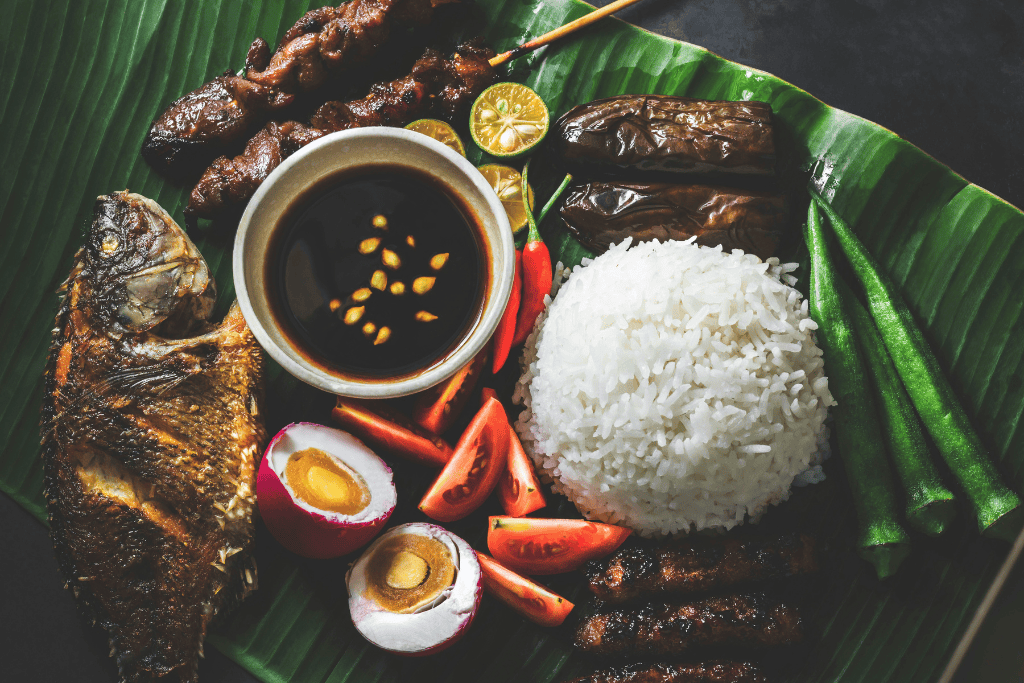
Filipino food is deeply comforting — simple, filling, and built around shared meals.
Must-try dishes include:
- Adobo (chicken or pork in soy sauce, vinegar, garlic)
- Chicken inasal
- Sizzling sisig
- Freshly-grilled seafood
- Halo-Halo (perfect on hot days)
Rice is everywhere — breakfast, lunch, and dinner (yup!)
Don’t be surprised if you’re served rice, eggs, and meat first thing in the morning. That said, hotels and cafés also offer continental options if you want something familiar.
Street food can be fun, but please be very selective.
4. Beginner-Friendly Travel With Well-Known Tourist Hubs
Popular destinations like Cebu, Moalboal, Coron, and Boracay are well set up for travelers.
You can walk around beach towns, take tricycles, join group tours, and feel comfortable — as long as you use common safety precautions:
- keep your phone secure
- avoid flashy jewelry
- don’t show large amounts of cash
- stick to well-lit areas at night
- use trusted transport
- have a travel insurance (and DAN insurance when diving)
Overall, the Philippines is welcoming and manageable — especially in established travel hubs.

3. Filipinos Are Genuinely Warm and Helpful
This is something visitors mention again and again.
Filipinos are naturally friendly. You’ll hear:
- “Have you eaten?”
- “Do you need help?”
- “Where are you from?”

This isn’t scripted hospitality — it’s cultural. I grew up with it, and I still notice it every time I return.
If you’re lost, confused, or unsure, just ask. People will help.
2. The Landscapes Are Wild and Diverse
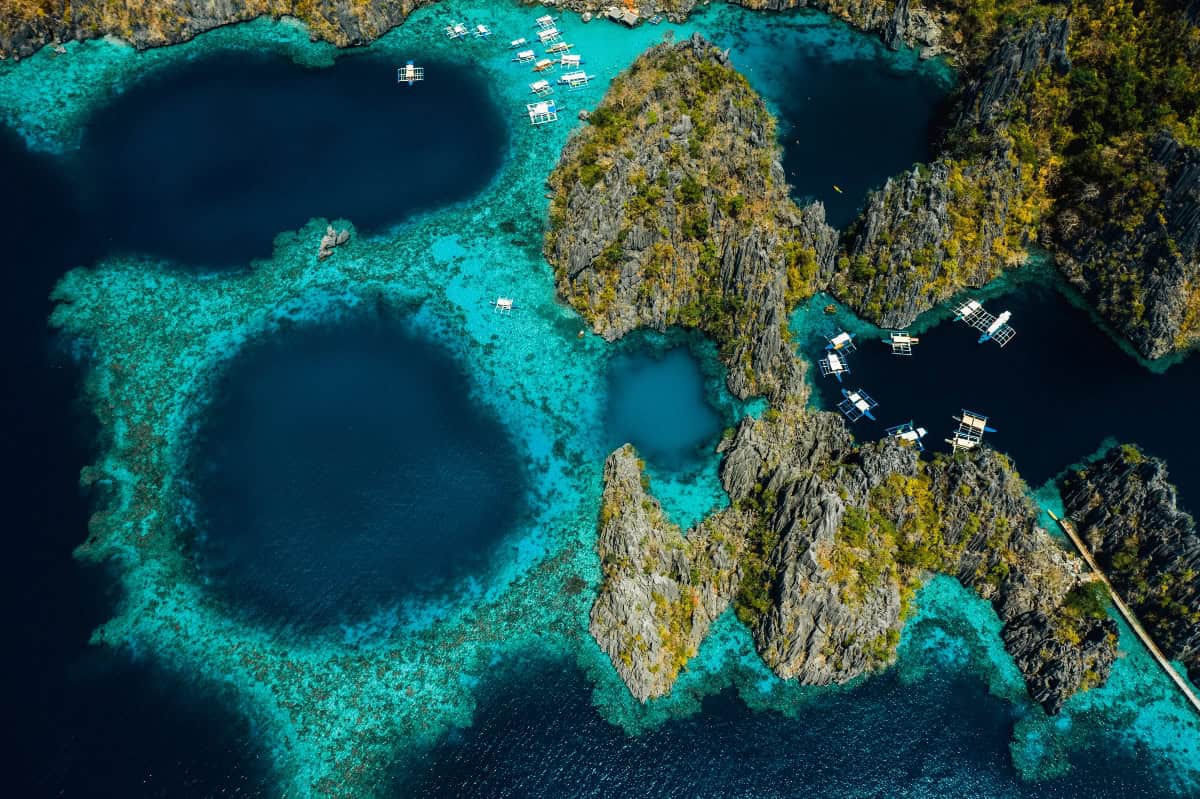
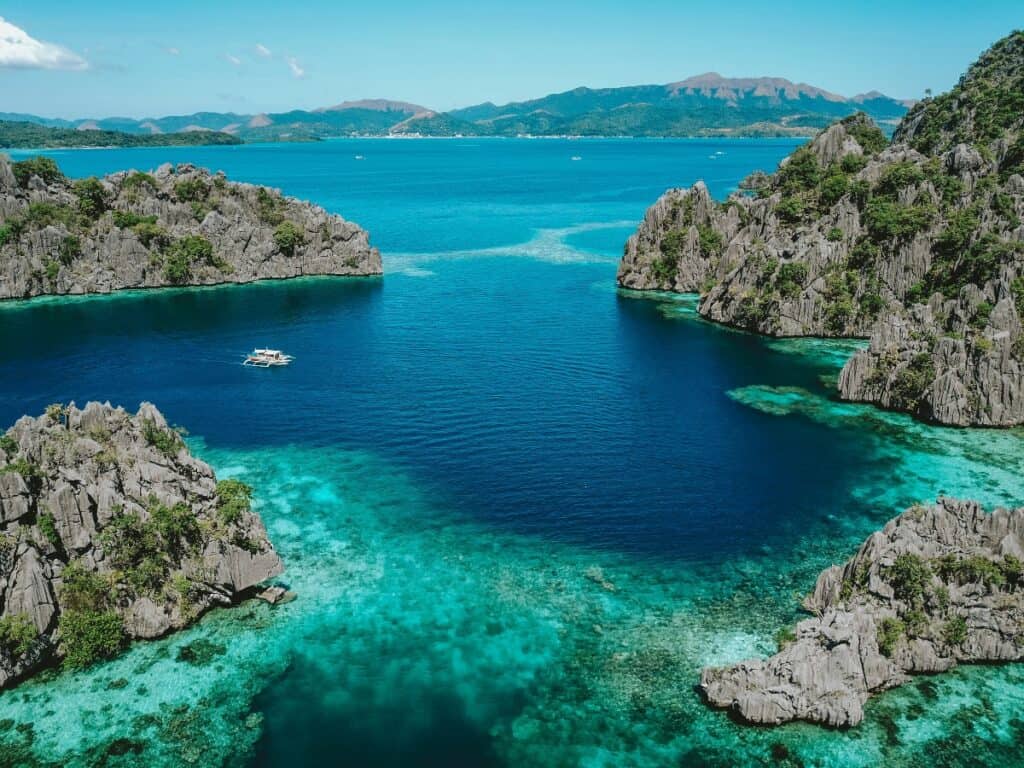
One day you’re kayaking through limestone lagoons in Palawan.
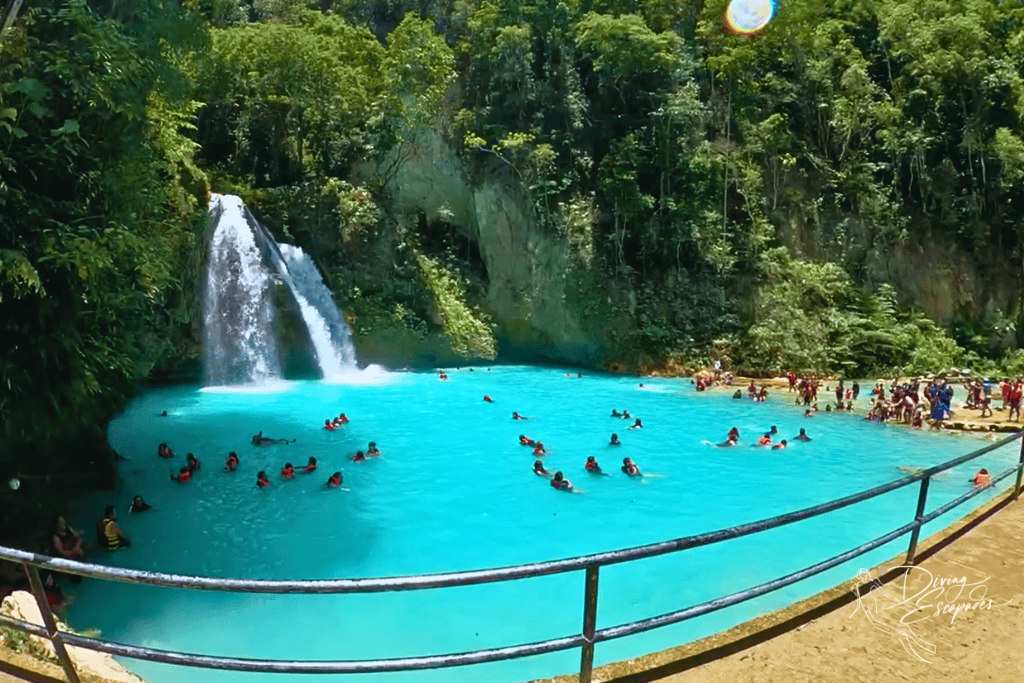
Another day you’re hiking near a volcano or swimming under waterfalls in Cebu.
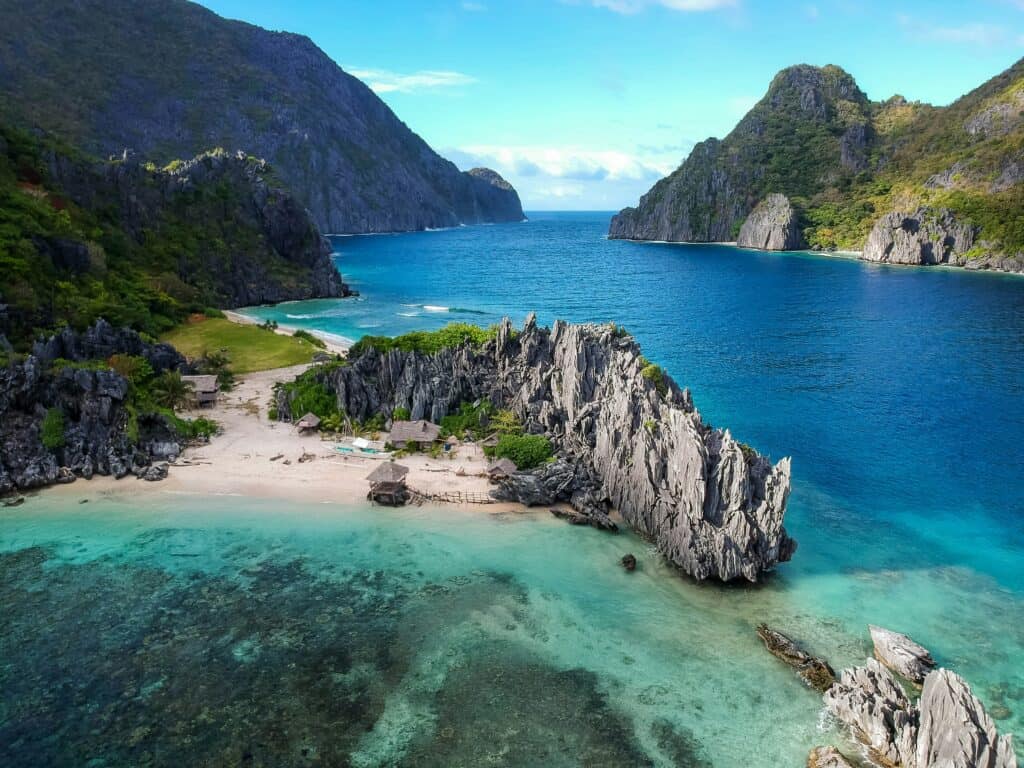
You’ll find:
- white sand beaches
- turquoise lakes
- rice terraces
- cliffs and caves
- islands that still feel untouched
Many areas remain lightly developed, which means you see nature in its raw form. You don’t come to the Philippines for polished resorts alone — you come for the landscapes.
1. World-Class Ocean Life (From an Experienced Diver)
If the ocean matters to you when choosing a destination, this is where the Philippines truly stands out — and why it deserves the top spot on this list.
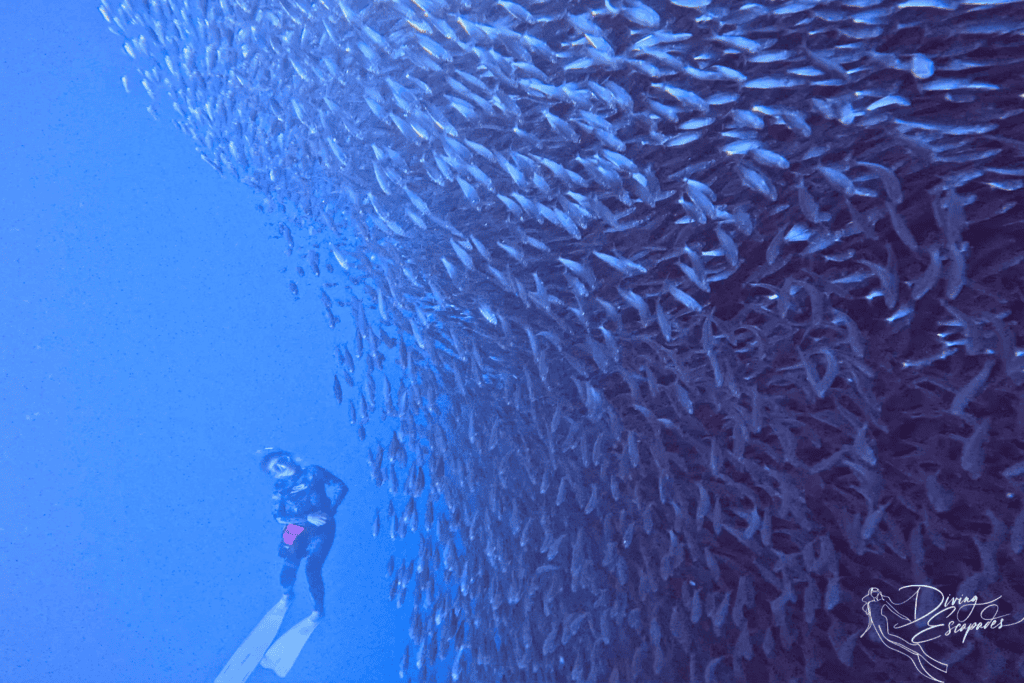

The country has been named World’s Leading Dive Destination by the World Travel Awards for seven consecutive years, starting in 2019 — and once you dive here, you understand why.
Across the islands, you can experience:
- coral gardens full of life
- turtles in many dive regions
- thresher sharks in Malapascua
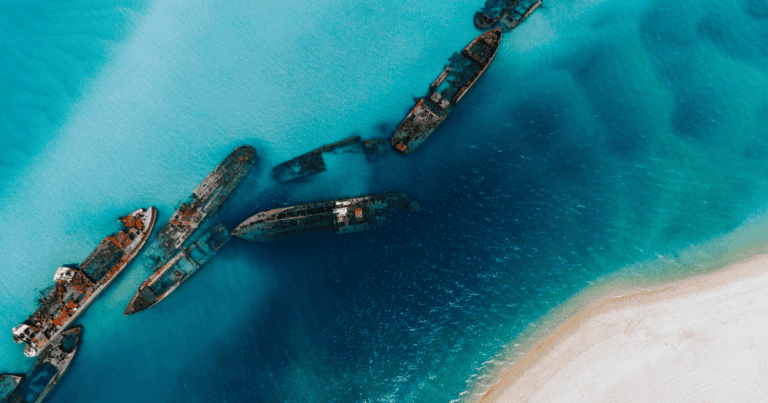
- WWII shipwrecks in Coron
- the famous Moalboal sardine run
- large jackfish tornadoes
- rare and fascinating critters in Dauin
- and much more
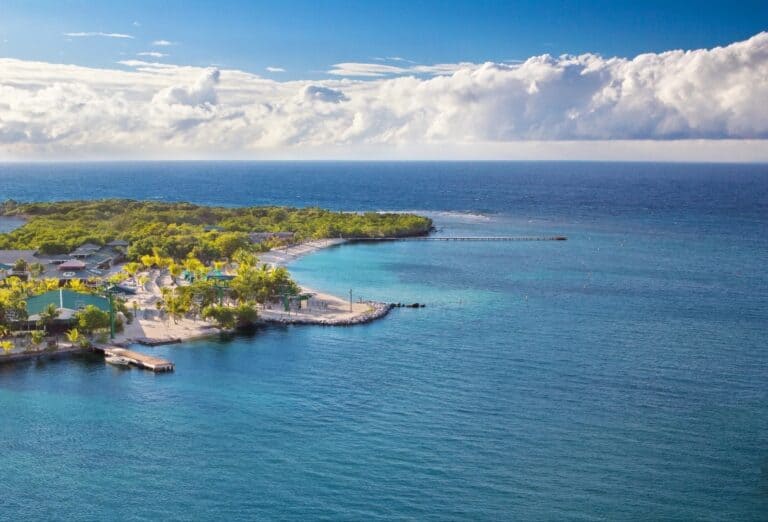
I have dived in Australia, Hawaii, Mexico, Honduras, Italy, Belize, and other destinations — and the Philippines remains one of my top choices for marine diversity, water conditions, and the sheer variety you can experience within one country.
If being in the water is part of why you travel, this alone can make the Philippines worth the trip.
If you’re starting to picture what kind of ocean experiences you’d enjoy most, these guides break down a few standout options in more detail:
👉 Curious about massive fish schools? Learn more about the Moalboal sardine run → Sardine Run Moalboal: A Complete Expert Guide
👉 Planning a dive-focused trip? Start here → Scuba Diving in the Philippines Guide
👉 Flying into Manila with limited time? Anilao is one of the easiest places to dive → Ultimate Guide to Diving in Anilao
👉 Interested in slow, critter-focused dives? Dauin is a great fit → Dauin Diving Ultimate Guide
Helpful Things to Know Before You Visit
You’ll Need Cash on Smaller Islands
Hotels and malls accept cards, but:
- tricycles
- island tours
- small restaurants
- local markets
often require cash.
Carry Philippine pesos and small bills. ATMs exist, but outages happen on smaller islands.


Don’t Try to See Too Many Islands
This is the biggest mistake I see.
The Philippines is not a road-trip country. Moving between islands takes time — flights, ferries, transfers.
A 2-week trip works best with 2–3 islands. More than that, and you’ll spend too much time moving.
If you want to avoid overplanning and make smarter choices from the start, these guides can help you decide when to go and where to base yourself:
Weather Matters
- Dry season: December to May (best conditions)
- Rainy season: June to November (still travel-worthy, but flexible plans help)
April is hot, dry, and excellent for beach time and diving — just expect to sweat.
Where to Go on Your First Trip
Choosing the right places matters more than trying to see everything.
Here’s a simple way to narrow it down based on what you enjoy:
- For scenery: Coron or El Nido
- For diving: Malapascua, Moalboal, Coron, Dauin + Apo Island
- For beach time and nightlife: Boracay or Cebu
- For culture and nature: Cebu + Bohol
- For surf culture: Siargao
A classic and easy first-timer route is Moalboal + Coron. This combination gives you limestone cliffs, emerald lakes, waterfalls, island hopping, and the sardine run — without overloading your schedule.
Frequently Asked Questions
Here are clear, no-nonsense answers to the questions travelers ask most when deciding if the Philippines is worth visiting.
10 to 14 days is ideal for a relaxed trip, especially if you’re coming from far away and dealing with jet lag. If diving or island hopping is a priority, three weeks gives you more breathing room.
If you only have one week, stick to one location — Coron or Moalboal works well.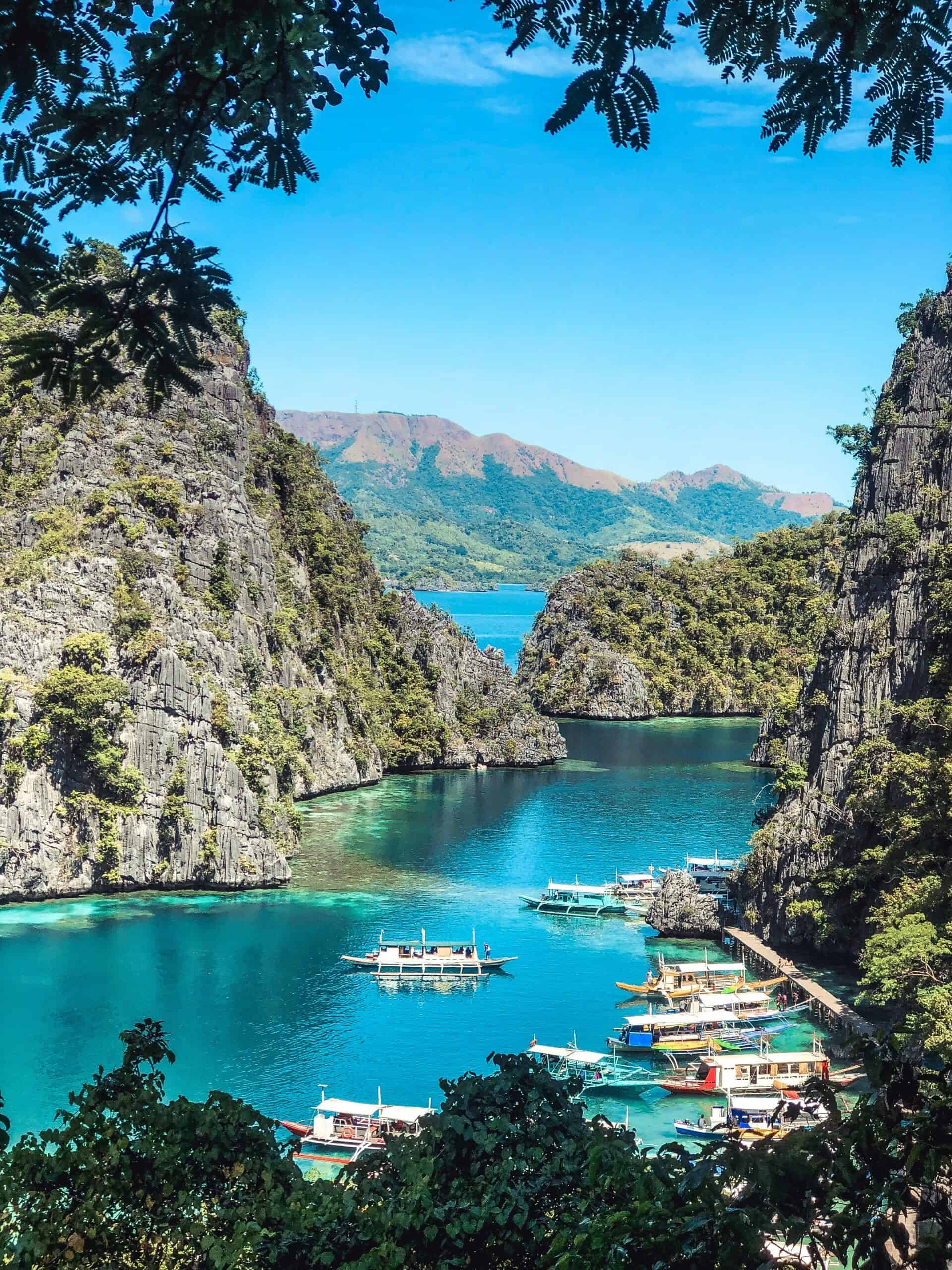
If I had to pick just one month, it would be April.
It’s hot and dry, with excellent visibility for diving and long beach days. You’ll sweat, yes — but sea breezes and water time balance it out.
It depends on your route. Some travel circuits make sense and are easy to manage, but you need to plan them properly.
Choose locations that connect well by domestic flights or ferries, and build your itinerary around that.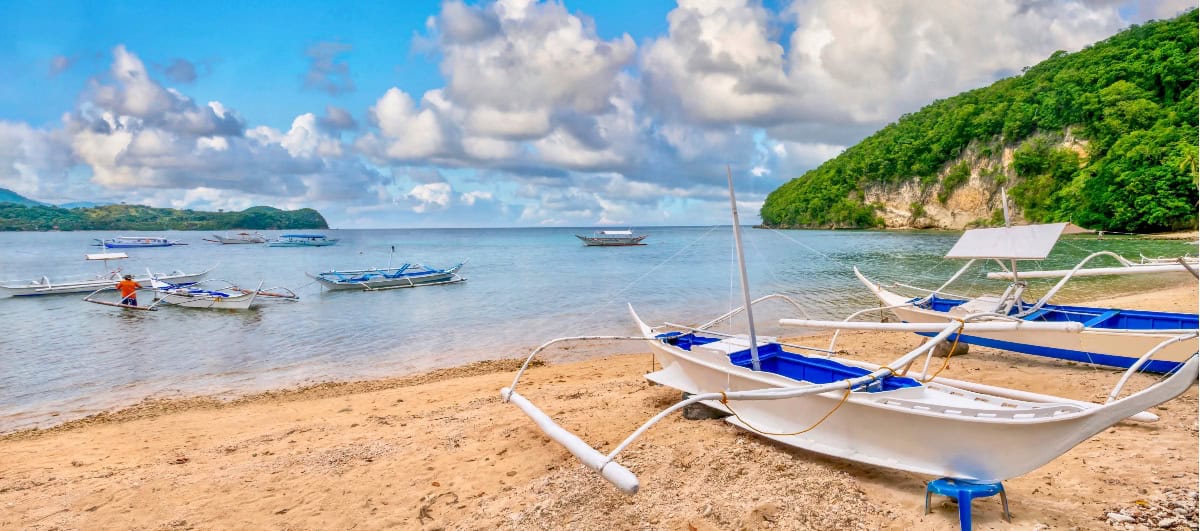
There’s no absolute “avoid” period, but August to October carries a higher risk of typhoons. Travel is still possible, but delays are more likely.
For the most reliable weather, aim for December through May.
People come for the beaches, lagoons, food, diving, culture, friendly locals, and the relaxed island pace. It’s a destination that feels exciting without being overwhelming — and familiar without being boring.

The Wrap Up: Is the Philippines Worth Visiting?
Yes — 100%.
But the key to loving it is planning well: choose the right season, limit your islands, and travel at a pace that lets you enjoy the experience.
The Philippines offers powerful landscapes, kind people, comforting food, and unforgettable ocean encounters. It’s a place many travelers return to — not because it’s perfect, but because it feels real.
I hope the Philippines leaves its mark on you the way it always does on me. Safe travels!