Philippines in January: Ultimate Guide With Local Insights and Practical Tips
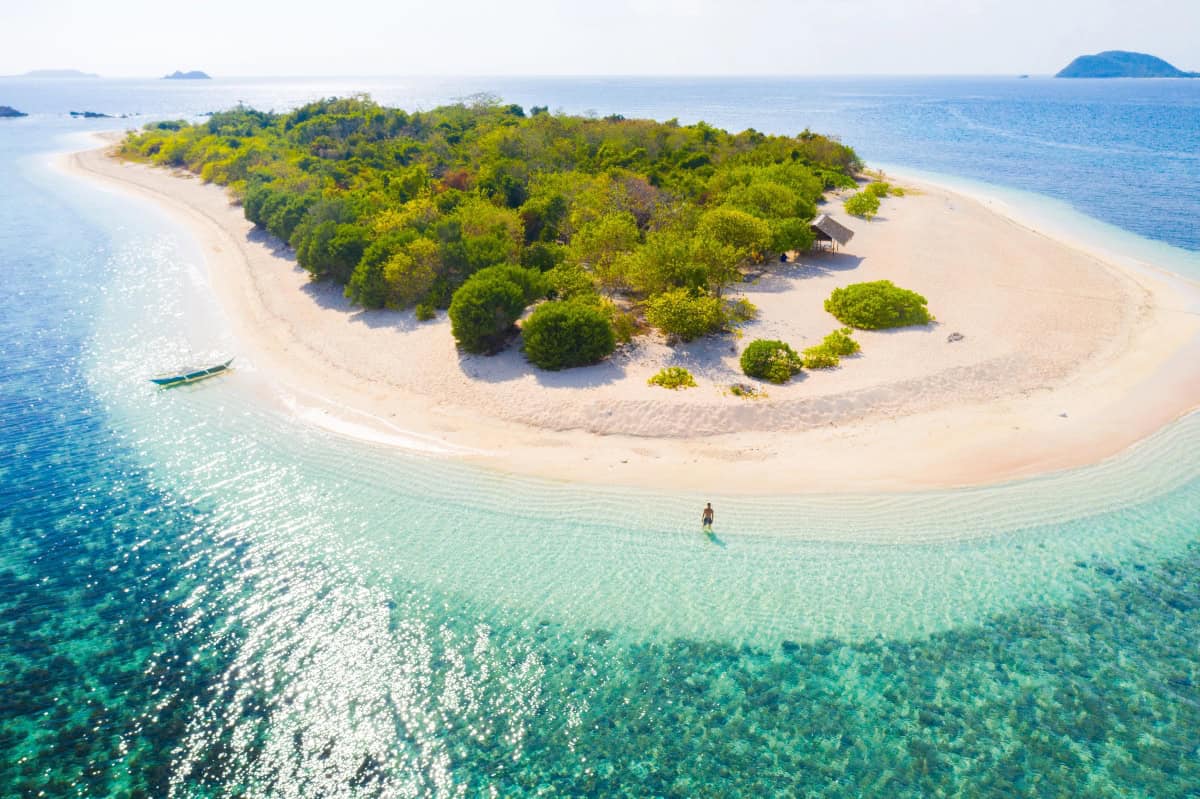

Planning a trip to the Philippines in January? Awesome choice! You’re visiting at one of the best times of the year.
As someone who grew up in the Philippines and still returns regularly for family visits and dive trips, January is one of my personal favorites.
In this guide, you’ll find everything you need to plan your January trip: weather, best places to visit, crowds, prices, and insider tips from someone who knows the islands inside out. Let’s dive in!
PLAN YOUR TRIP WITH MY FAVORITE RESOURCES
Find your stay: Booking.com
Book top-rated tours: GetYourGuide.com
Travel insurance: SafetyWing
Dive insurance: DAN (Divers Alert Network)
Why Visit the Philippines in January?
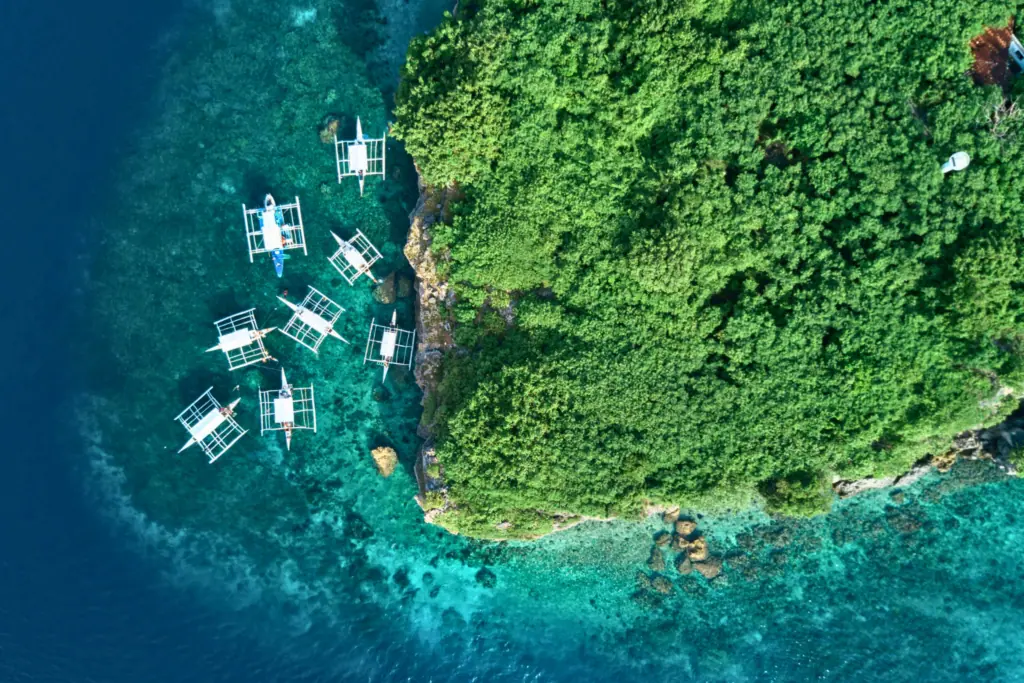
January is a great time for you to explore the Philippines without overthinking your plans.
It falls in the dry season, which means you get sunny skies, calm seas, and reliable weather across most of the country.
This makes it easy to combine island hopping, diving, beach time, and sightseeing while keeping your itinerary flexible.
You’ll also arrive during one of the most festive times of the year.
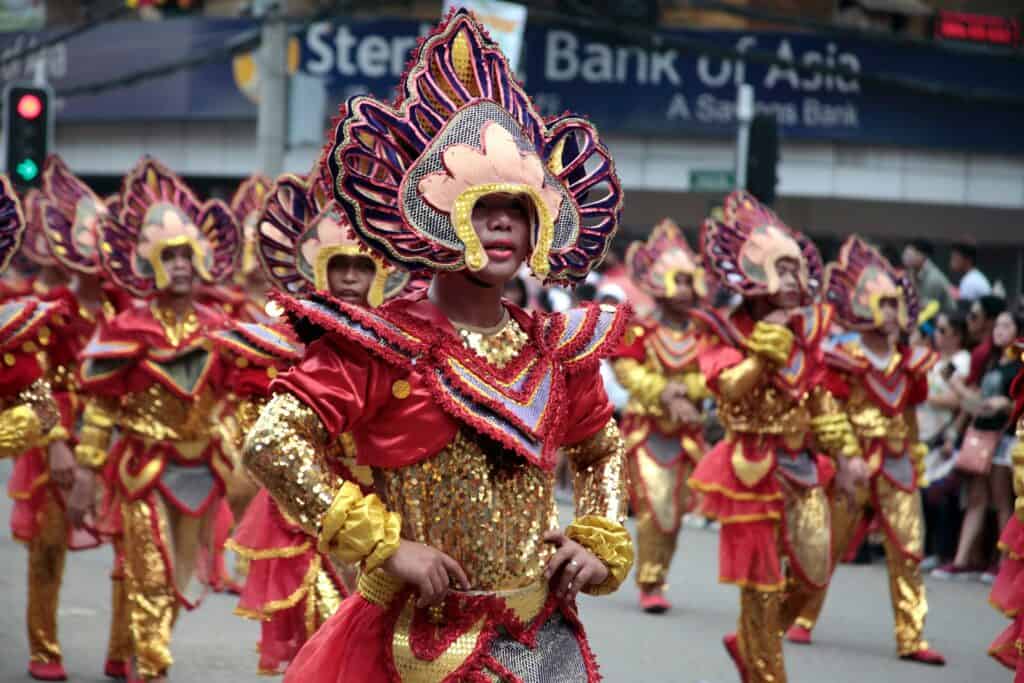
The holiday energy continues into January, with two major celebrations taking place: Sinulog in Cebu and Ati-Atihan in Kalibo, Aklan.
Both festivities honor the Santo Niño (Baby Jesus) and are among the Philippines’ major January cultural celebrations.
If you want to mix underwater adventures with local culture, planning your trip around Cebu for Sinulog or Aklan for Ati-Atihan lets you experience the Philippines at its most lively.
Philippines Weather in January
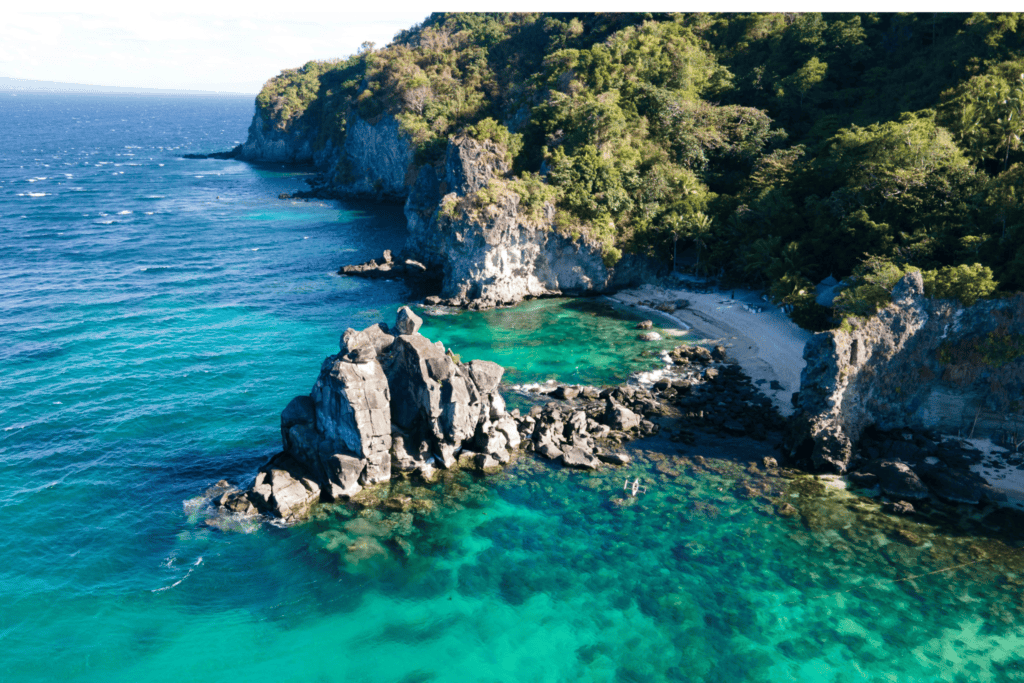
In most parts visited by travelers, it is sunny, warm, and ideal for travel.
Here’s what you can expect:
- Temperature: 25°C to 31°C (77°F to 88°F)
- Rain: Very low probability, especially compared to the rest of the year
- Humidity: Moderate (more comfortable than April–June)
- Sea conditions: Calm — excellent for diving and snorkeling
- Typhoons: Almost zero risk
Nights are a little cooler, especially in mountainous areas like Baguio or Sagada, so bringing a light jacket doesn’t hurt.
For divers (hi, fellow divers!) — visibility is usually great across most sites, from Moalboal to Coron to Anilao.
Best Places to Visit in the Philippines in January
January is one of those months where almost anywhere is a good idea, but here are my top picks based on weather, accessibility, and overall vibe.
1. Cebu (Moalboal, Malapascua, Bantayan Island)
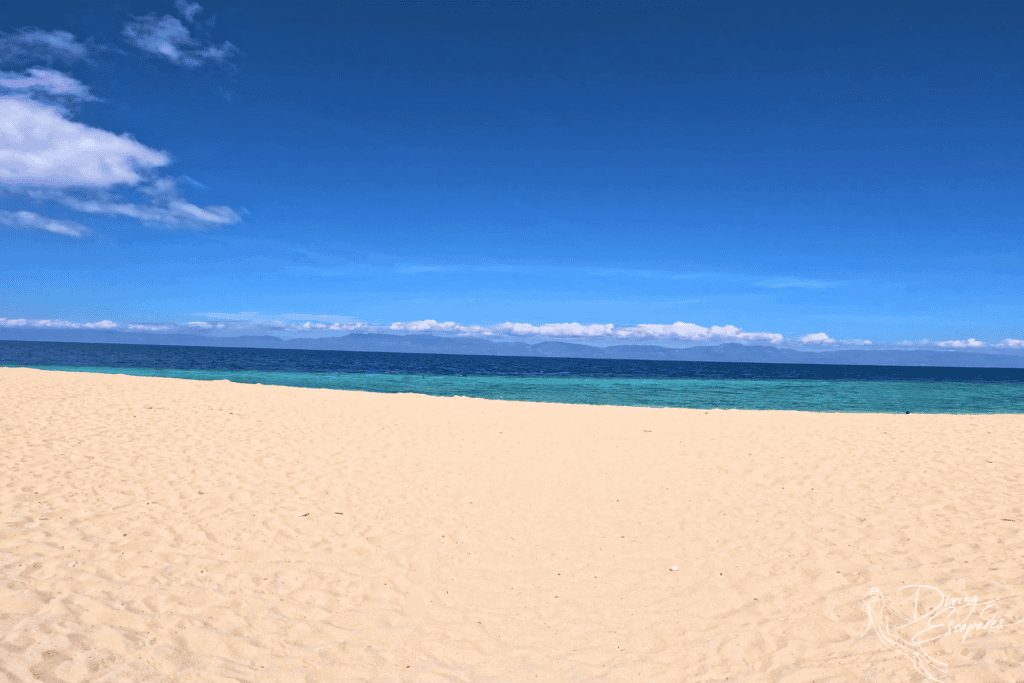
If you’re heading to Cebu in January, you’ll be there around Sinulog Festival season. It’s colorful, lively, and a great way to experience Filipino culture, with locals and travelers celebrating side by side.
If crowds aren’t your thing, don’t worry — Cebu is a big island, and it’s easy to escape them.
Head north to Bantayan Island for quiet, raw beaches, or to Malapascua if thresher shark diving has been living rent-free in your head for years.
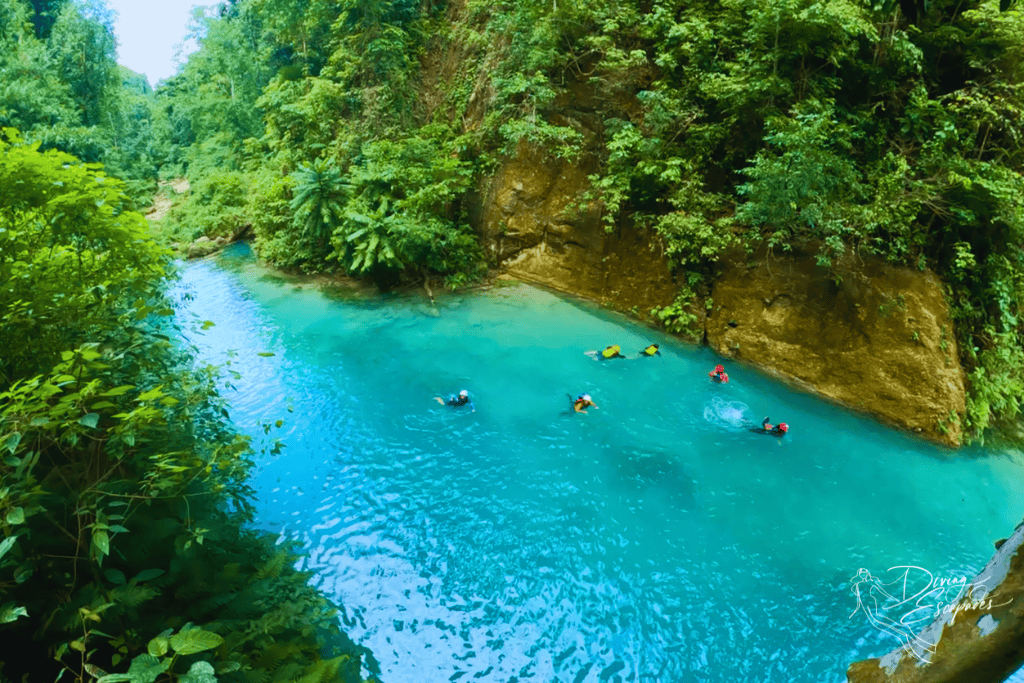
My personal favorite is Moalboal. You’ve got the sardine run right off the shore (yes, really), turtles casually swimming by, waterfalls nearby, and a laid-back vibe that makes it very hard to leave.
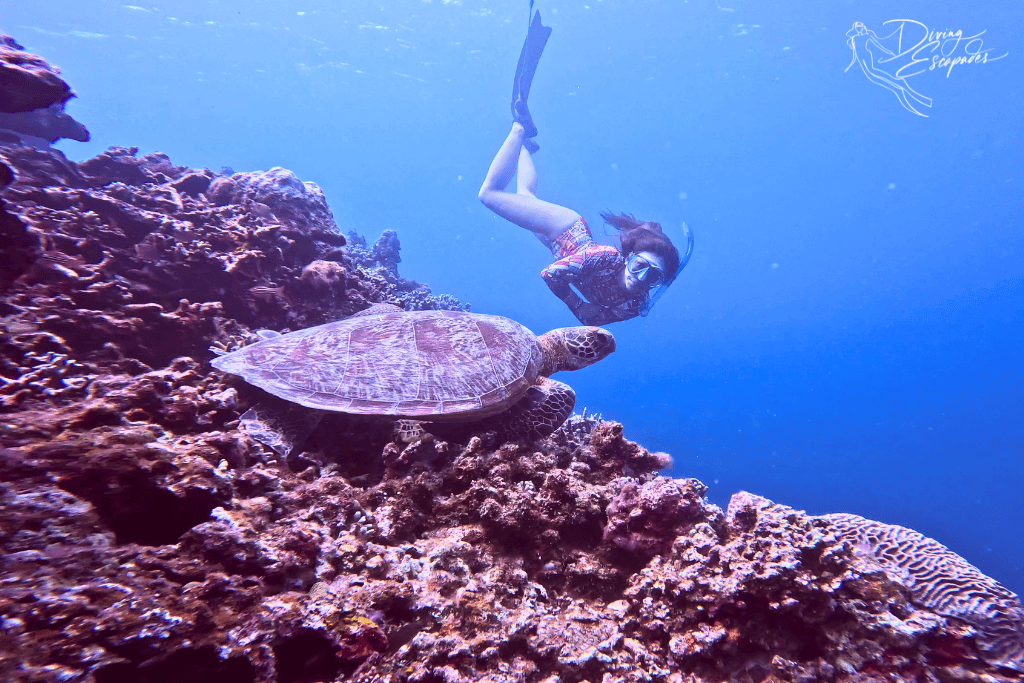
Cebu is one of those places where you can dive, snorkel, hike, eat well, and repeat — all in one trip. And the underwater life? Genuinely mind-blowing.
👉 If Moalboal is on your radar, these will help:
- Sardine Run Moalboal: A Complete Expert Guide
- Where To Stay In Moalboal: Area Guide For Every Traveler
- Things To Do in Moalboal: Ultimate Guide to the Best Activities & Attractions for Each Traveler
2. Palawan (Coron, El Nido)
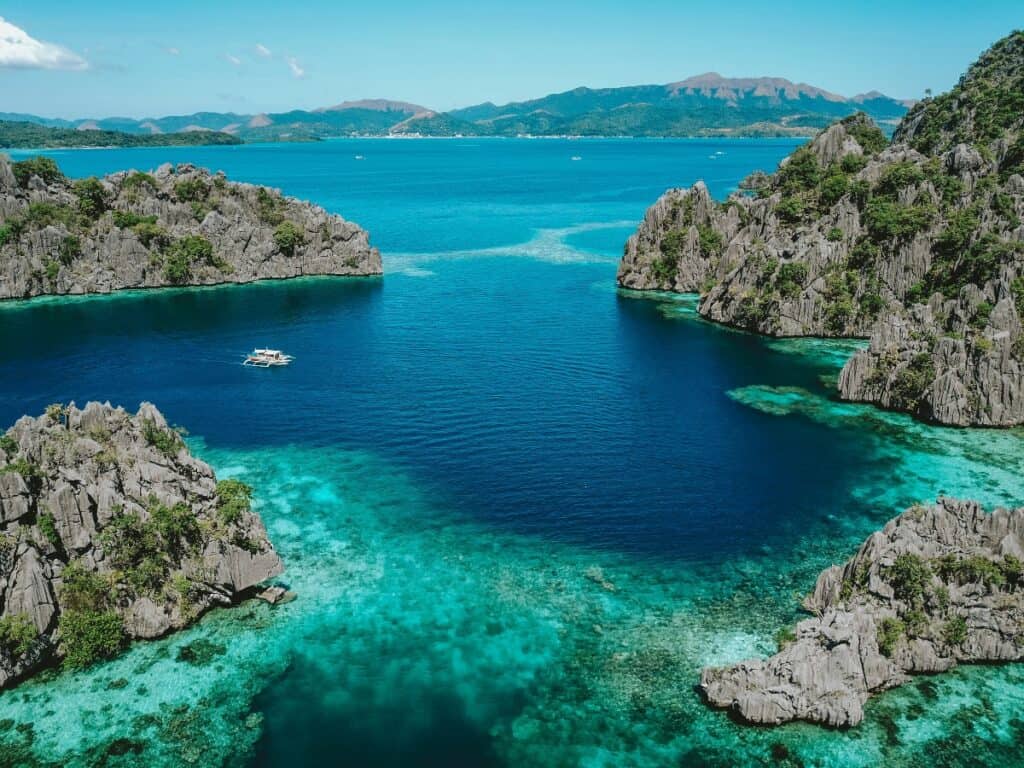
January is when Palawan shows off.
Coron is the kind of place that makes you slow down without trying. If you’re into diving, this is where you’ll find WWII shipwrecks, incredible visibility, and a very “wow, this is real?” feeling underwater.
On the surface, you’ve got places like Kayangan Lake and island-hopping days where your boat crew grills fresh seafood while you float around in turquoise water. That specific memory lives in my head permanently.
If you want dramatic landscapes, go to El Nido. Limestone cliffs, lagoons, kayaking through emerald water — it’s postcard after postcard.
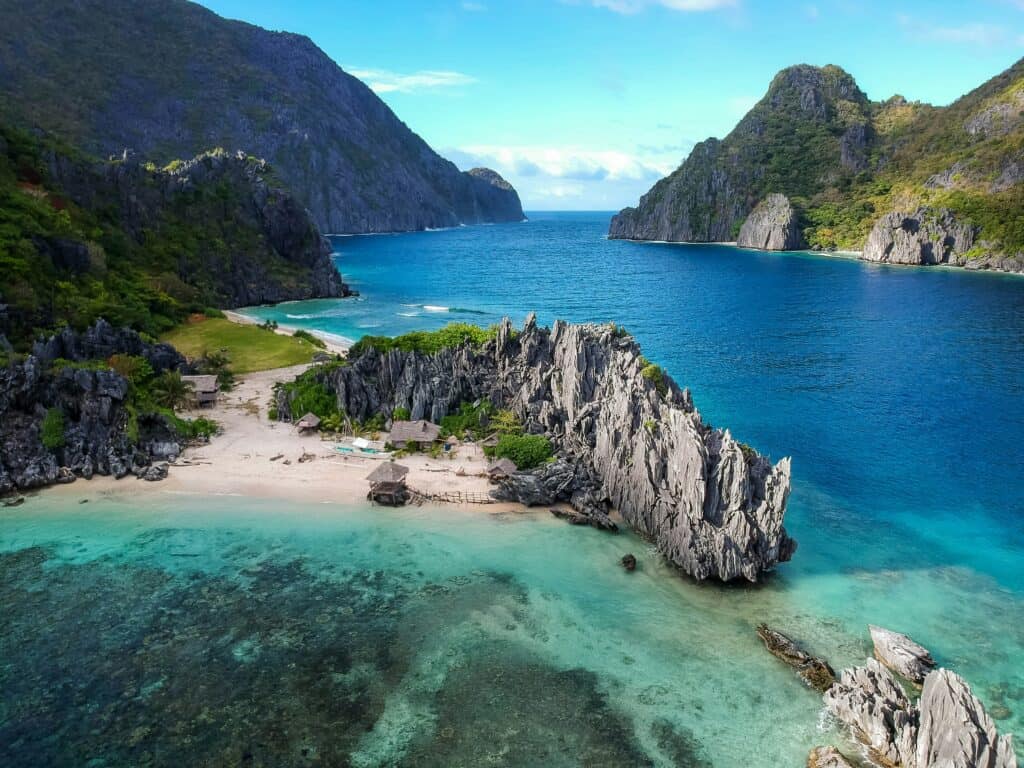
Scuba diving here isn’t as strong as Coron, but if you’re more into scenery and slow adventure, you’ll love it.
And full disclosure: I have family roots in Coron, so yes, I’m biased — but January really is when it’s at its best.
3. Boracay
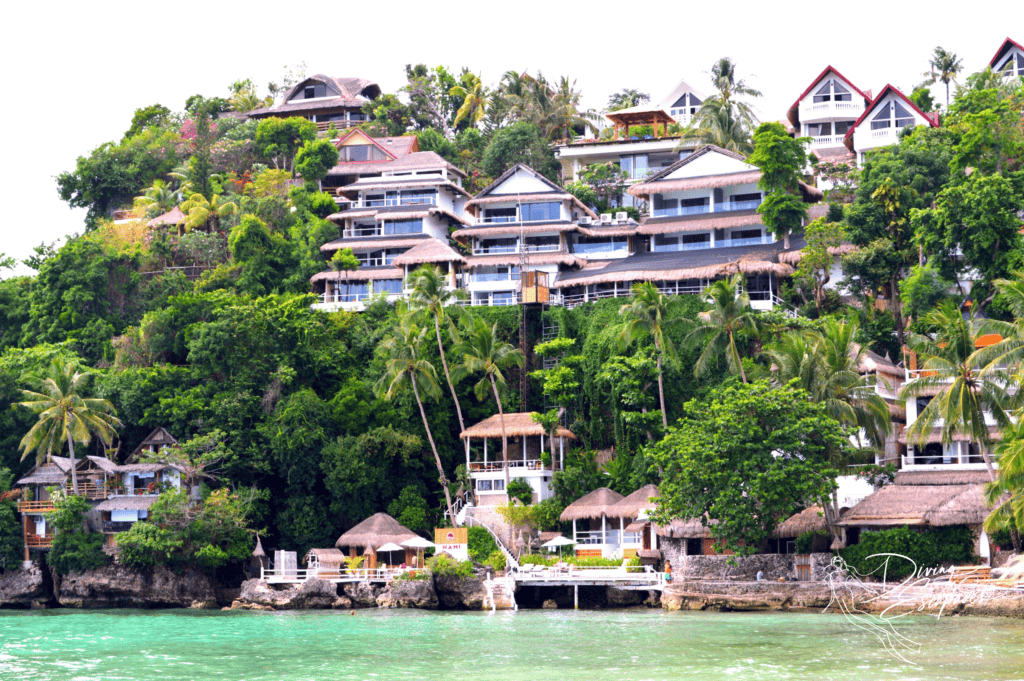
If your idea of a good trip includes ridiculously white sand, sunset photos you don’t need a filter for, and nights that don’t end early, Boracay is your place.
The sand here is so white it genuinely feels fake — like someone spilled powdered milk on the beach.
January is also Ati-Atihan Festival season in Kalibo, Aklan, which is where you usually fly into before heading to Boracay by land and boat. If you’re curious about culture and don’t mind crowds, it’s worth the trip.
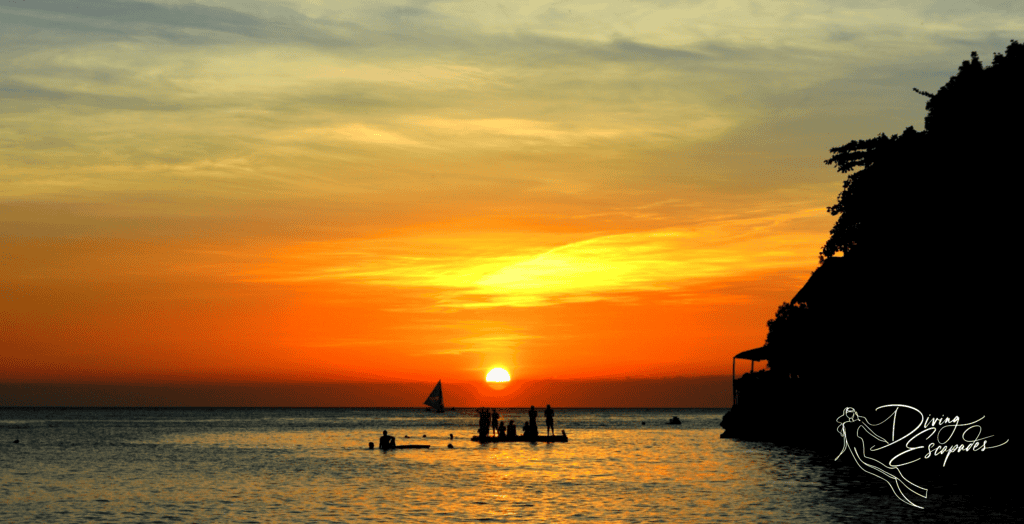
Boracay isn’t really about hardcore diving — you can dive, but this island shines for beach days, snorkeling, epic sunsets, fire dancers, and a lively nightlife.
If you want easy fun with great views, you’ll feel very at home here.
4. Anilao
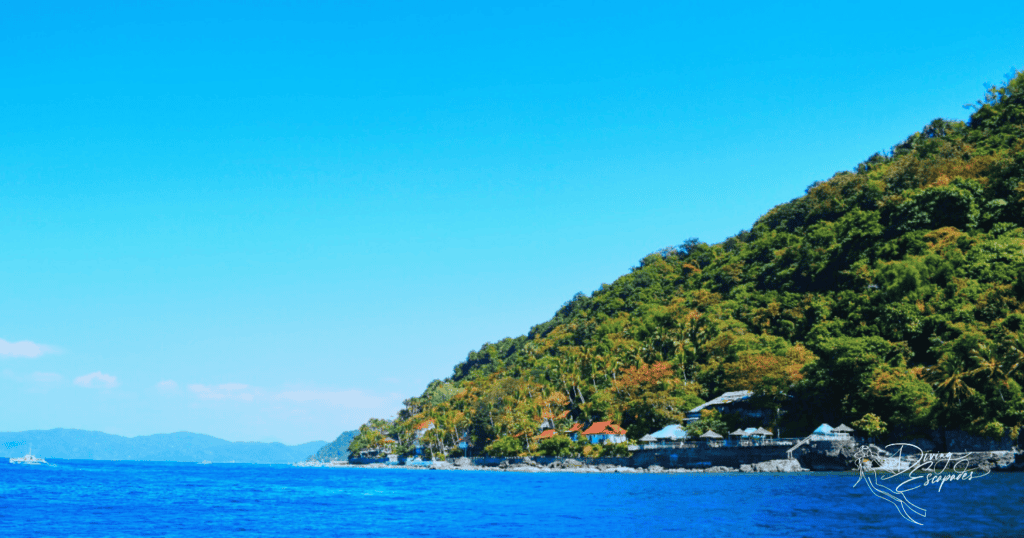
I went to Anilao in January and, honestly, it almost felt unfair how good the diving was. Calm mornings, very few people, and dive sites that feel like they’re all yours.
If you love macro life — nudibranchs, weird little critters, the kind of stuff that makes you stare at your dive computer wondering where the time went — Anilao is your playground.
It’s also super easy to reach from Manila, which makes it perfect if you don’t want to spend half your trip in transit.
👉 If diving is your main goal, this guide will help:
5. Puerto Galera
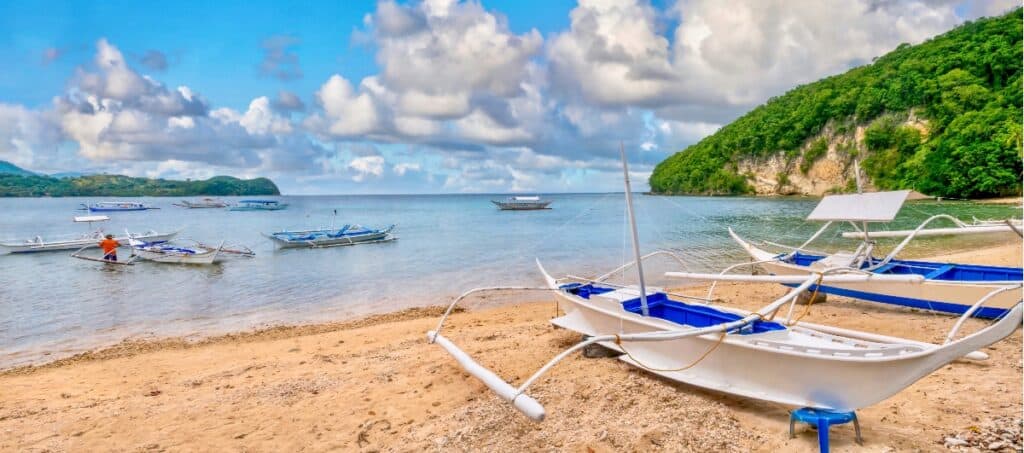
Puerto Galera is another personal favorite. It’s where I first fell in love with colorful reefs when I was younger — and it still delivers.
It’s a well-known dive hub thanks to its proximity to Verde Island, one of the most biodiverse marine areas in the world.
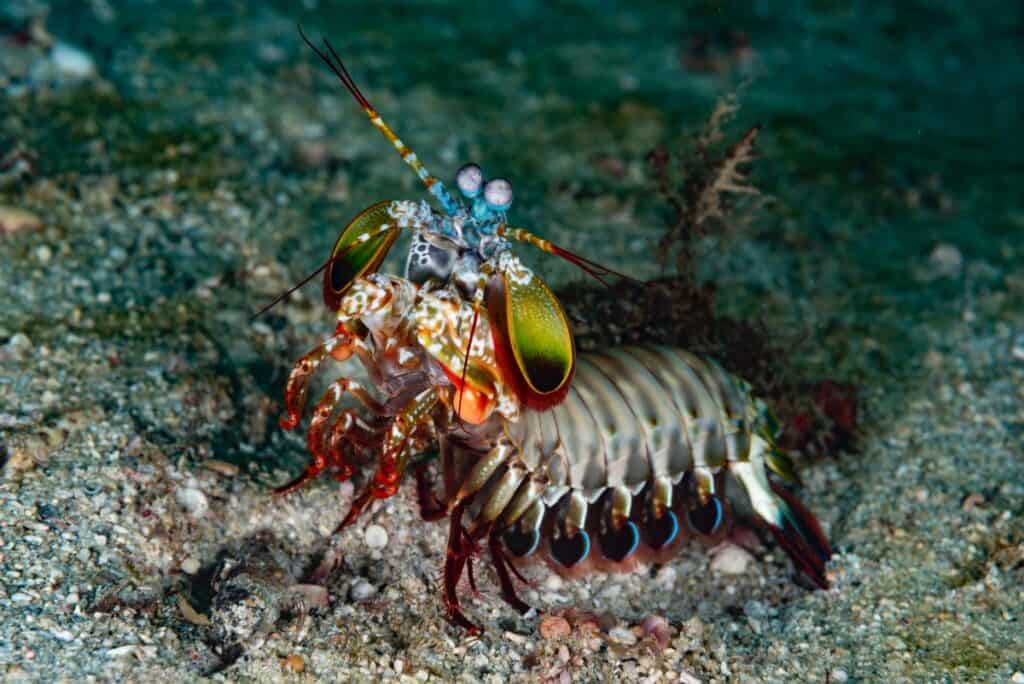
January usually means great conditions and fewer crowds. Just keep in mind that currents can be strong at times, but reputable dive centers plan dives accordingly and brief you properly.
Even if you’re not diving every day, Puerto Galera is an easy place to relax, snorkel, and enjoy island life without feeling rushed. Laid-back, beautiful, and quietly impressive.
6. Dauin (with Apo Island)
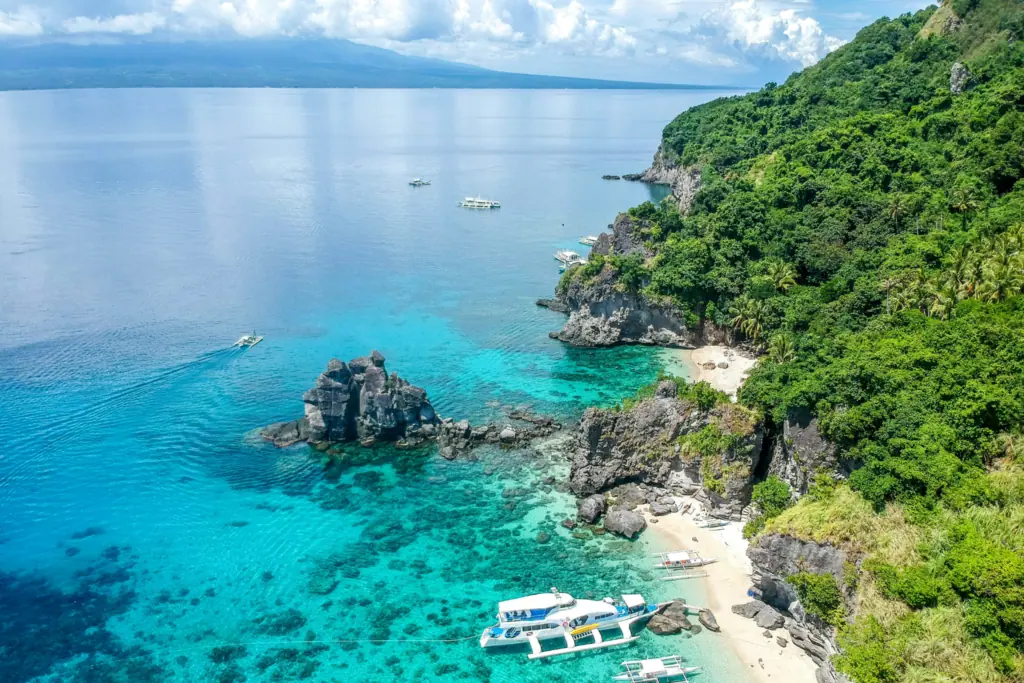
If you love diving that makes you slow down and actually look instead of chasing big stuff, Dauin will be right up your alley.
January is a great time to be here — calm conditions, fewer crowds, and that relaxed “wake up, dive, eat, repeat” rhythm.
Dauin is famous for its muck diving, which basically means weird, wonderful, blink-and-you’ll-miss-it marine life.
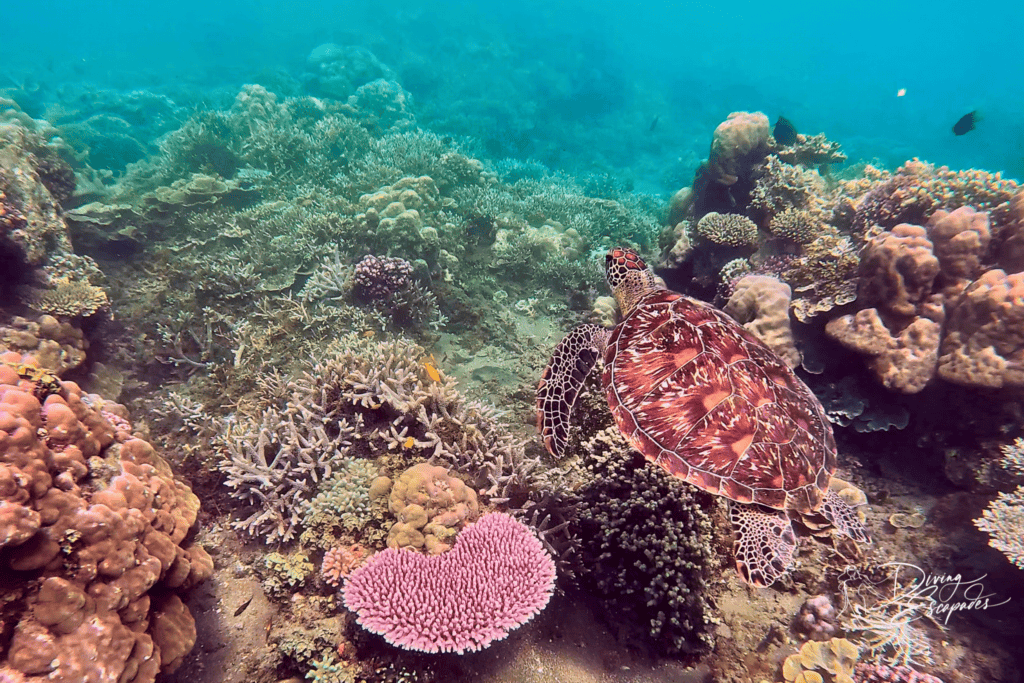
Think tiny critters, odd shapes, and moments where your dive buddy is excited about something that looks like… sand (until you look closer).
The real magic? You can easily combine Dauin with a day trip or overnight trip to Apo Island.
One day you’re hunting for nudibranchs and frogfish, the next you’re drifting over colorful reefs with turtles everywhere. It’s the best of both worlds — macro and wide-angle — without long travel days.
If you’re traveling with non-divers, Dauin also works surprisingly well. It’s quiet, laid-back, and doesn’t try too hard, which is exactly the point.
👉 If Dauin is on your shortlist, these will help you plan it properly:
- Dauin Diving Ultimate Guide: Tips & What You Need To Know
- Is Dauin, Philippines Worth Visiting? Best Places and Things To Do
Tips for Traveling in January
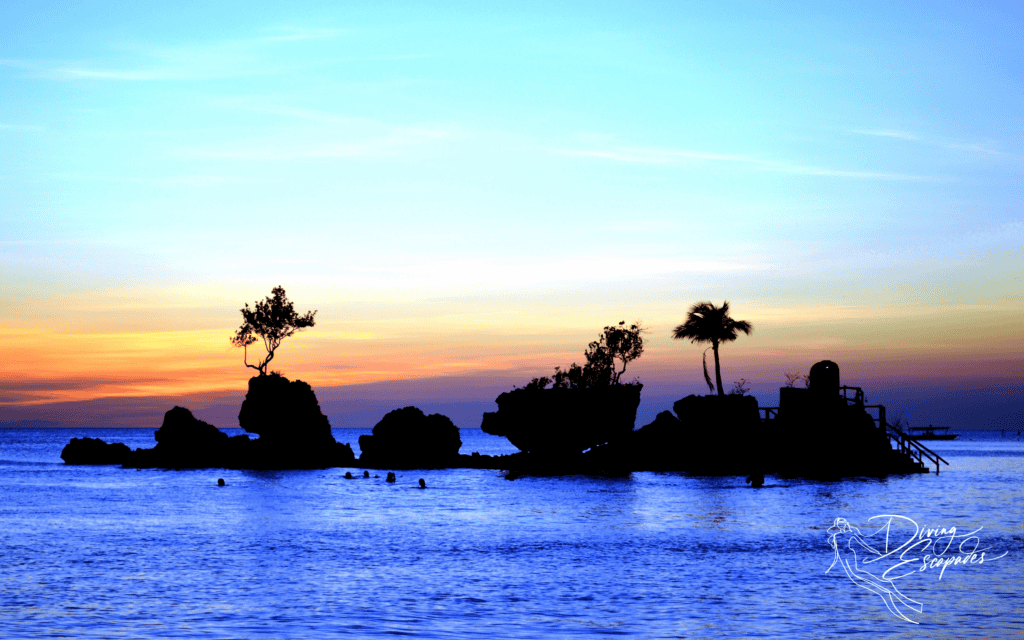
January is a popular month to visit the Philippines, especially places like Cebu and Boracay.
The good news? It’s busy, but not holiday-crazy busy.
The first week of January can still feel lively after Christmas and New Year, but once that passes, things settle into a much more manageable rhythm.
Here’s what you can realistically expect if you’re traveling in January:
- More visitors in major destinations and beach hubs
- Busier ferries and flights, especially on weekends
- Early starts for popular tours (think island hopping and whale shark–free alternatives)
- Dive boats with more guests than usual — booking ahead really helps
When it comes to costs, January sits comfortably in dry-season territory:
- Flights: Higher than rainy season, but not peak-holiday levels
- Hotels: Moderate to high, depending on location
- Tours: Standard dry-season pricing
- Food and local transport: Still very affordable
A few practical tips to make your trip smoother:
- Book flights and ferries early — January fills up faster than you think
- Choose islands that are close to each other to avoid long travel days
- Stay at least 3–4 nights per island so you’re not constantly packing and unpacking
- Bring cash for island tours and small expenses — ATMs aren’t always reliable
- Download my free travel planner below 👇🏼 to help you prep for your trip
And finally, a very important tip: eat all the mangoes. January mangoes are next level, and you’ll regret not having “just one more.”

What to Pack for the Philippines in January
Packing for January is pretty straightforward. Think light, practical, and beach-ready — with a couple of extras if you plan to spend a lot of time in the water.
f you want a more detailed breakdown (including what not to bring), I’ve put together a complete guide here: What to Pack for the Philippines in January.
Here’s what you’ll be glad you packed:
- Light summer clothes you can mix and match
- Swimwear (bring more than one — you’ll live in it)
- Reef-safe sunscreen to protect both your skin and the ocean
- A dry bag for island hopping and boat days
- A light jacket or hoodie for cooler evenings, especially in the mountains
- Your own snorkel mask if you love being in the water (it’s just nicer to have your own)
- Eco-friendly rash guard with UV protection – Shields your skin and reefs from harm.
- Mosquito repellent which is useful year-round.
- Comfortable walking shoes for town days, markets, and casual exploring
If you’re diving, water temperatures can feel a little cooler in January in some spots. A 3mm wetsuit usually works perfectly and keeps you comfortable without feeling bulky.
Simple, light, and practical — exactly how packing should be.

Frequently Asked Questions
Quick answers to the most common questions you’ll have when planning a January trip to the Philippines.
Yes. January is one of the easiest months to visit, with generally good weather, calmer seas, and plenty of options for island hopping, diving, and sightseeing.
It depends on where you’re going, since the country has over 7,000 islands and conditions can vary.
That said, the dry season usually runs from December to May, which is when most travelers find it easiest to plan a trip.
It depends on where you’re going, since the country has over 7,000 islands and conditions can vary. That said, the dry season usually runs from December to May, which is when most travelers find it easiest to plan a trip.
In most parts of the country, the rainiest months fall between June and October, during the southwest monsoon season.
Not really. January typically falls outside the main typhoon season and is usually dry and sunny. That said, weather patterns are changing, so it’s always a good idea to keep an eye on forecasts as your trip approaches.
The Wrap-Up: Visiting the Philippines in January
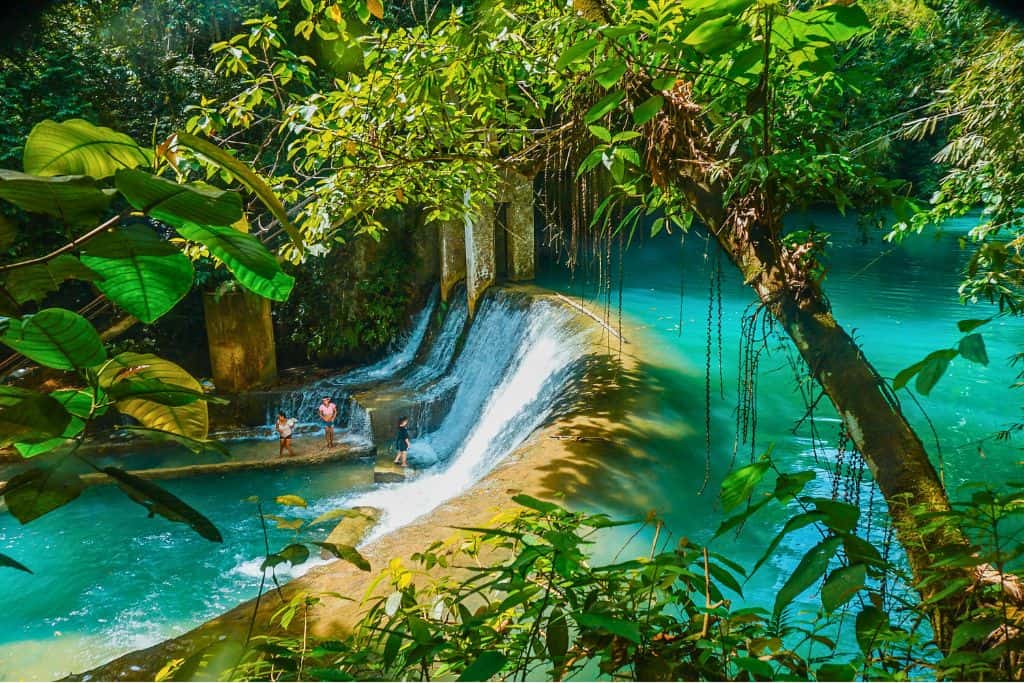
January is one of the best times to experience the Philippines. You’ll get reliable weather, calm seas, and excellent conditions for beaches, diving, and island hopping, with many destinations at their best.
It’s a little busier than the rainy season, but smart planning goes a long way — and the payoff is sunshine, clear water, and unforgettable island days.
If you’re starting the year craving warmth and ocean time, January is an easy yes. Enjoy the sunsets, the boat rides, and all the mangoes. Safe travels!