Scuba Diving in Oahu: 6 Dive Sites, Costs & My Tips


Scuba diving in Oahu is well worth making time for, especially if you enjoy wreck diving, sea turtles and reefs just a short boat ride from Waikiki. I’ve dived here myself, including the Sea Tiger wreck, and I still remember how much I enjoyed that dive.
In this guide, I’ll share the dive sites I recommend looking into, what my experience with Kaimana Divers was like, and the practical details I’d check before booking. Some sites are shallow and beginner-friendly, while others are deep dives that require more experience. And yes, there was some underwater shaka involved!
I’ll cover where to dive, how to choose a site for your certification, what diving can cost and when conditions are best. Let’s dive in!

Oahu Diving Overview
Oahu has a useful mix of dives: deeper wrecks offshore from Honolulu, easier reef dives near Waikiki and seasonal shore diving on the North Shore. The best choice depends on your experience, the weather and where you’re staying.
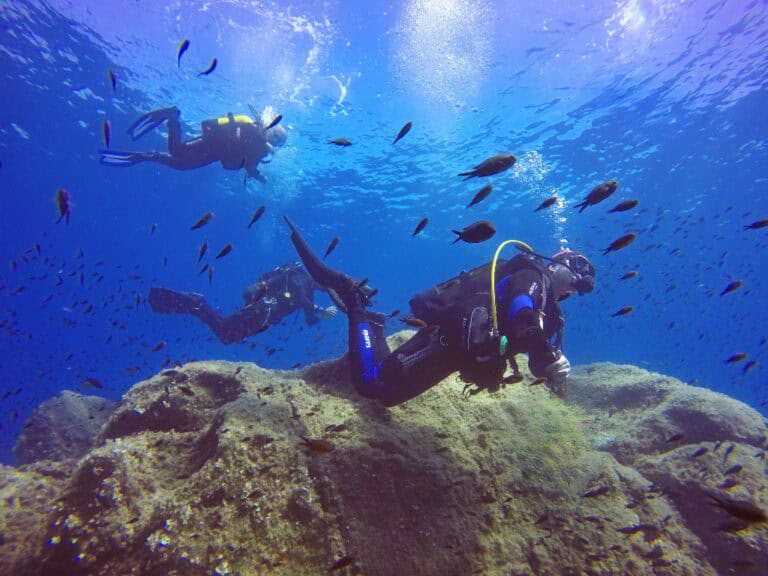
You might see green sea turtles, schools of reef fish, moray eels or a passing ray. Smaller creatures can be just as interesting, so look carefully along the reef rather than racing from one sighting to the next. None of these encounters is guaranteed.

Hawaiian monk seals are occasionally seen around the islands, but a sighting is rare. If you encounter one, give it plenty of space and enjoy the moment without approaching it.
In whale season, you may hear humpback whale calls underwater or spot whales from a boat. Always respect wildlife-viewing distances and follow the crew’s guidance.
What I enjoyed most was being able to combine a proper diving day with everything else Oahu has to offer. A morning boat trip can still leave time for a relaxed afternoon on land.

If you’re new to scuba, ask about shallow guided reef dives or an introductory experience. Deep wrecks are a different matter, so be upfront with the operator about your certification and recent dive experience.
Recommended Dive Center: Kaimana Divers
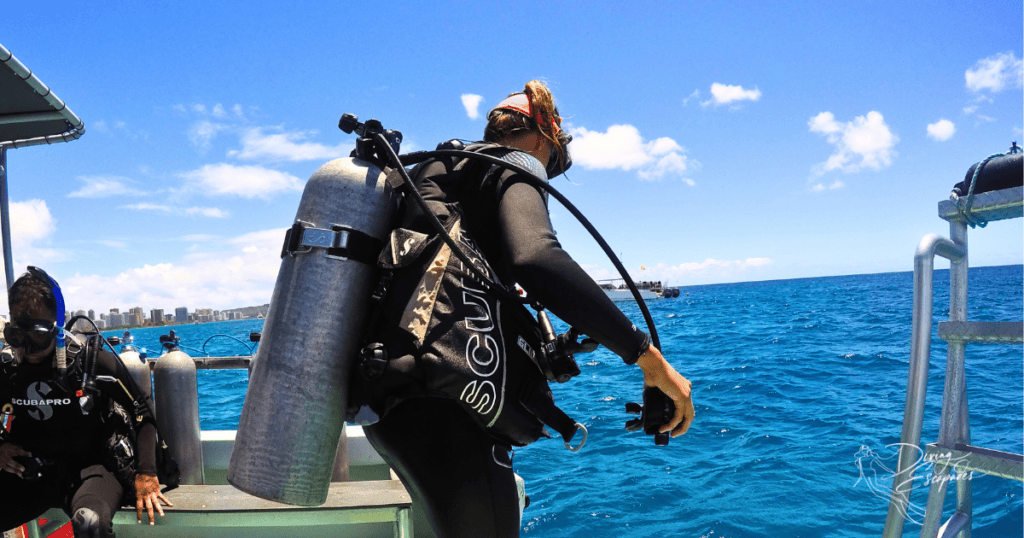
I dived with Kaimana Divers and had a very good experience. If you’re looking at south-shore boat diving, they’re one operator I’d consider, especially if you prefer a smaller group.
They offer two-tank boat trips from Honolulu. Confirm the current departure point, dive sites, group size and rental inclusions before booking, as these can depend on the day and conditions.

Gabe, the owner, is knowledgeable, personable, and truly dedicated to providing exceptional service. I was so impressed that I even gifted my sister a double-dive with them because I knew she’d love it as much as I did.
I appreciated how straightforward the booking and dive organisation felt, especially with rental equipment and the briefing. I felt comfortable with the team, which makes a difference when you’re heading out for a deeper dive.
I would happily consider diving with them again. You can read their current prices and trip details on their website before deciding whether they suit your plans.
Best Diving Sites in Oahu
Here are six Oahu dive sites worth considering. I’ve personally dived on Oahu and have described my Sea Tiger experience below, but don’t assume I visited every site in this list. For the others, use the site descriptions to discuss suitable options with a local operator.
If I were choosing a dive, I would use this as a starting point:
| If you want… | Consider… | Before booking |
|---|---|---|
| A deeper wreck dive | Sea Tiger or YO-257 / San Pedro | Training, depth, gas planning and currents |
| An easier reef dive | Turtle Canyon or Kewalo Pipe | Conditions, experience and wildlife guidelines |
| Seasonal shore diving | Shark’s Cove | North Shore surf, safe entry and exit |
| West-side rock formations | Makaha Caverns | Guide, conditions and avoiding overhead areas |
1. Sea Tiger Shipwreck

The Sea Tiger was my favourite Oahu dive. This former vessel was intentionally sunk in 1999 off Waikiki, and the seabed is roughly 36 metres (120 feet) deep. The upper parts of the wreck are shallower, but this is still a deep dive that needs careful planning.
I would choose this only with training and experience suitable for the planned depth, plus a clear briefing on currents, gas management and no-decompression limits. Confirm the operator’s requirements rather than assuming an Advanced Open Water card alone qualifies you for every profile.
When I dived the Sea Tiger, we explored different levels around the wreck, from the upper deck down towards the lower areas. I remember finding the atmosphere a little eerie, but in a way that made the dive fascinating. I’d go back.

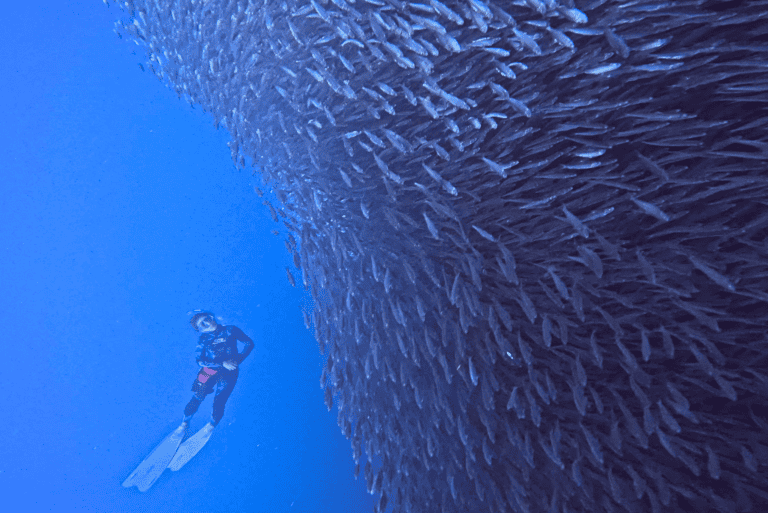
The wreck attracts schools of reef fish, and turtles or whitetip reef sharks may be seen nearby. Wildlife changes from dive to dive, so I’d come for the wreck itself rather than expect a particular encounter.
There are openings and structures that make the wreck interesting to photograph from outside. Do not enter the wreck or any overhead space without specific wreck-penetration training, equipment and an appropriate dive plan. You can enjoy an excellent dive without going inside.
Pro Tip: Bring a dive light to illuminate the darker parts of the wreck and reveal its intricate details (FYI: a light does not substitute for wreck-penetration training). Make sure you’re properly weighted and comfortable with deep dive planning since bottom time is limited at this depth.
2. YO-257 and San Pedro Shipwrecks
The YO-257 and San Pedro are two well-known wrecks off Waikiki and can be visited on the same boat outing. Whether both can be seen on one dive depends on your operator’s plan, conditions and your experience.
The YO-257 lies at around 29 metres (95 feet), with the San Pedro nearby. Both offer striking underwater structures, but they are deep dives. Avoid entering openings or swim-throughs unless you have the specialist training and equipment for overhead environments.
You may find reef fish, moray eels and sometimes rays around the structures. I would ask the operator about recent conditions and the planned maximum depth before reserving a place.
These sites generally suit divers who are comfortable with depth, buoyancy and gas planning. Ask what experience and certification the operator requires and whether a shallower option would be better for you.
Pro Tip: The currents can be strong, so stick close to your dive guide and plan your bottom time carefully. A 5mm wetsuit is a good choice if you’re aiming for extended dives. If you’re into photography, set up your camera before the dive so you’re ready to capture those perfect shots of marine life and the wrecks.
3. Makaha Caverns
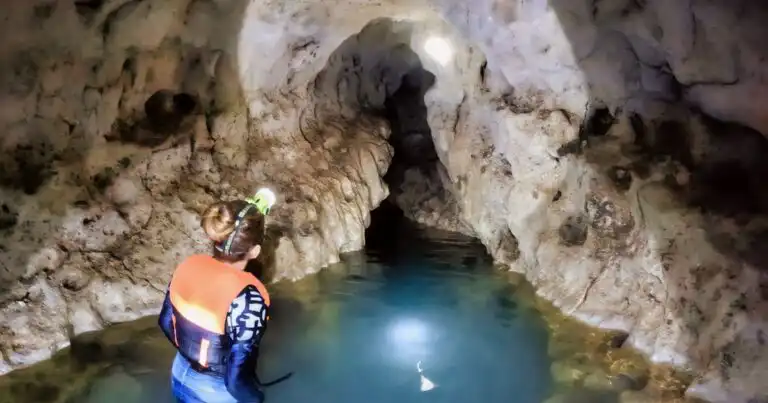
On Oahu’s west side, Makaha Caverns is known for lava-rock formations, ledges and arches. It’s one to discuss with a local guide who can assess the conditions and select a route appropriate for your training.
The underwater rock formations are the main attraction. Keep a safe route back to open water, and do not enter caves or overhead passages without the appropriate specialist training.
Turtles, reef fish and octopuses may be found among the rocks, although sightings depend on conditions and luck.
It can be rewarding for underwater photography, but good buoyancy and awareness matter more than getting a photo through a narrow opening.
I’d treat this as a site for divers comfortable in variable conditions, with a local guide choosing the route. Cavern or cave penetration is not an ordinary recreational dive and should never be improvised.
Pro Tip: Dive with a guide who knows the caverns like the back of their hand to get the most out of this site. Bring a dive light to illuminate the lava tubes and spot hidden marine life. A 3mm wetsuit will keep you comfortable in the calm, warm waters on this side of the island.
4. Turtle Canyon
Turtle Canyon, just offshore from Waikiki, is a popular shallow reef option. It can be a good choice if you want an easier dive and enjoy watching reef life, including Hawaiian green sea turtles.

You can also look for butterflyfish, wrasses and other reef species. Give turtles plenty of space, even if one swims towards you.
Turtle Canyon may suit newer divers when conditions are appropriate, but you should still confirm the planned depth, current and entry arrangements with your operator.
If snorkeling is more your style, you can book a Turtle Canyon snorkeling tour to get up close with green sea turtles and colorful reef fish. Plus, being so close to Waikiki, it’s an easy and convenient option for a quick dive or snorkel with plenty to see.
Pro Tip: Avoid touching or chasing the turtles. NOAA recommends staying at least 3 metres (10 feet) from sea turtles in Hawaiʻi. If you’re heading out for a morning dive, pack a light snack to enjoy during your surface interval, you’ll have a fantastic view of Waikiki from the boat.
5. Kewalo Pipe
Kewalo Pipe is a shallower south-shore site near Honolulu, centred on an old underwater pipe structure. It attracts reef fish and can work well for divers who would rather stay shallower than visit the major wrecks.
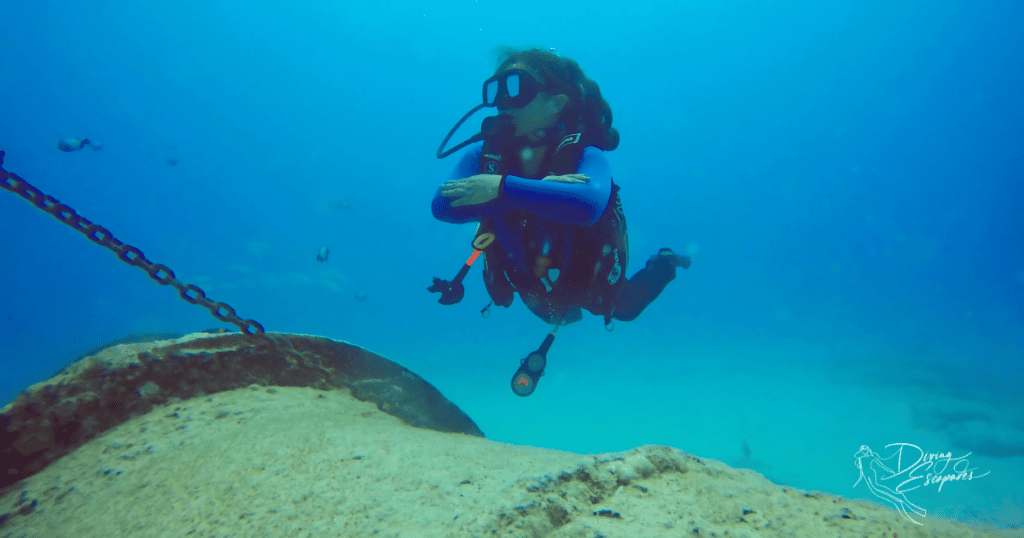
Reported depths are roughly 6 to 15 metres (20 to 50 feet), though your actual dive profile depends on where the operator takes you. Ask about visibility and current on the day.
Even on a shallower dive, it’s worth slowing down to look for smaller animals along the structure.

For a first Oahu dive, I’d ask the guide whether this or Turtle Canyon is more suitable for your comfort level.
Pro Tip: The visibility here is usually pretty good. However, mornings are the best time to dive. You’ll avoid the crowds and catch marine life at its most active. Bring a dive light to check the crevices of the pipe. You might spot a moray eel or other critters hiding inside.
6. Shark’s Cove
Shark’s Cove, on Oahu’s North Shore, is popular for shore diving and snorkelling when the sea is calm. It sits within the Pūpūkea Marine Life Conservation District, so marine life and natural features are protected.

Shark’s Cove is typically a snorkeling hotspot, but you can scuba dive here as well, especially if you’re up for exploring its unique underwater features.
There are lava formations, ledges and arches, with better diving generally outside the shallow inner cove. Conditions are much more important than the calendar, particularly when the North Shore swell picks up.

The inner cove is shallow, but that does not automatically make entry safe. Check surf, surge and exit conditions, ideally with a local dive professional, before bringing gear down to the shore.
Only qualified divers should approach overhead features, and no one should enter during hazardous surf. The site is typically easier in calmer summer conditions, but there is no guaranteed safe season.
Pro Tip: Bring dive shoes to protect your feet, the rocks can be sharp, and you’ll want to stay comfortable for the shore entry. A mesh bag is also handy for carrying your gear down to the water. Keep in mind that weekends can get busy, so plan to arrive early morning to snag a good parking spot.
How Much Does Scuba Diving in Oahu Cost?
As one current example, Kaimana Divers lists a two-tank boat charter at US$159, including tanks and weights. Its published rate card lists separate charges for other rental equipment. This is one operator’s advertised price, not an average for all Oahu dive centres, so check the current total before paying.
PRO TIP: Ask whether the quote includes a guide, equipment, any marine or harbour fees, and transport to the departure point. For deeper dives, also confirm the certification and recent-experience requirements before you book.
Best Time to Dive in Oahu
You can often find diving opportunities on Oahu throughout the year, but different coasts behave differently. South-shore boat dives are commonly available across seasons, while North Shore shore dives need particularly calm conditions.
👉 Summer (May to October): The water is calmer, visibility is excellent, and the North Shore is ideal for diving. Temperatures range from 78°F to 82°F (25°C to 28°C), so a thin wetsuit or rash guard is sufficient. Pack sunscreen, a hat, and a reusable water bottle to stay hydrated during surface intervals.

👉 Winter (November to April): The North Shore experiences large swells, making it better suited for surfing than diving. However, the south and west shores remain diveable. Water temperatures drop slightly to 76°F-79°F (24°C-26°C), so a thicker 5mm wetsuit might be needed to stay comfortable during longer dives. Bringing a windbreaker can also be handy for windy boat rides.
I would pick my dive site based on the forecast rather than rely on a general “best month.” Check conditions with the operator, especially if a North Shore shore dive is on your wish list.
Pro Tip: Always check local dive conditions and weather updates before heading out.
Where to Stay in Oahu
For south-shore boat dives, Waikiki or central Honolulu can be convenient bases. Ask the dive operator exactly where the boat departs before booking a hotel, because the drive to the harbour and early check-in time matter more than a hotel’s beach view.

📍 Budget Option: Honu Waikiki by ALOH – If you’re looking for a comfortable, budget-friendly stay with thoughtful amenities, Honu Waikiki by ALOH is a fantastic choice. Its convenient location—less than a 15-minute walk from Waikiki Beach and close to several dive centers—makes it perfect for divers who want easy access to popular dive spots.
The spacious rooms, some with fully equipped mini kitchens, are great for preparing your own meals before or after your dives. You’ll also appreciate the rooftop and outdoor terrace for relaxing, as well as extras like beach chairs, umbrellas, and floats. Overall, it’s an affordable and convenient base for a scuba diving adventure in Oahu.
Discover unbeatable rates and secure your stay at Honu Waikiki by ALOH here.

📍 Mid-Range Option: The Surfjack Hotel & Swim Club – This vintage-inspired hotel with modern touches is full of character and ideal for divers looking for a stylish and relaxing stay. Located near Waikiki, it’s close to dive centers and some of Oahu’s best dive sites.
After a day of diving, you can unwind with free live poolside entertainment or enjoy the long happy hour with drinks by the pool. The Surfjack also stands out for its commitment to sustainability, with refillable products and beautiful interiors designed by local artists. It’s a unique, creative space that lets you recharge after exploring Oahu’s underwater wonders.
Find the best deals and book your unforgettable stay at The Surfjack Hotel & Swim Club here.

📍 Luxury Option: Halekulani Hotel – If you’re ready to splurge, Halekulani is the perfect choice for combining luxury and convenience. Set right on Waikiki Beach, this oceanfront resort gives you easy access to nearby dive centers and incredible ocean views to match your underwater adventures.
The service here is truly unmatched. The rooms are beautifully designed, with spacious lanais and deep soaking tubs—perfect for unwinding after a day of diving. There are three incredible restaurants to choose from and a live jazz lounge to enjoy. It’s everything you need for a memorable scuba diving holiday in Oahu.
Grab the best rates and book your perfect stay at Halekulani Hotel here.

How to Get There
Most visitors fly into Daniel K. Inouye International Airport (HNL) in Honolulu. You may not need a rental car for boat dives near Waikiki, but having one can help if you plan to explore the island beyond the main resort area.
Flights to Oahu
👉 Airport: Daniel K. Inouye International Airport (HNL) is Oahu’s main airport, with direct flights from cities like Los Angeles, New York, Tokyo, and Sydney.
Pro Tip: Use a site like CheapOair to compare flights and score the best deals. Locking in your Oahu flight early is a smart way to save money, especially during peak travel seasons.
Getting Around the Island
👉 Rent a Car: If you’re planning to visit multiple dive sites or explore beyond Waikiki, renting a car is your ultimate ticket to freedom and convenience. To snag unbeatable prices and the best deals, check out Rentalcars.com.

👉 Use Rideshare Services: For shorter trips, Uber and Lyft are super convenient and easy to use.
👉 Take Public Transportation: TheBus is a cheap way to get around, but it’s not ideal if you’re trying to reach more remote locations or dive spots.
Coordinating with Your Dive Center
👉 Ask About Pick-Up Services: If you’re staying in Waikiki, check with your dive center to see if they offer hotel pick-ups or can give advice on how to get to their meeting spot. Centers like Kaimana Divers are usually super helpful with logistics, so don’t hesitate to ask.
FAQs
Here are the questions I would check before booking dives on Oahu, especially if you have limited time and want to choose sites that fit your experience.
Does Oahu have good diving?
Yes. Oahu offers deeper wreck diving, shallower reefs and seasonal shore diving. My favourite was the Sea Tiger wreck, but I’d recommend choosing a site around your certification and conditions rather than booking the deepest one first.
You can explore the famous Sea Tiger wreck, navigate intricate lava tubes at Makaha Caverns, or enjoy the marine life at Turtle Canyon. If you’re wondering whether it’s worth packing your fins for Oahu—trust me, it is!

Is Waikiki suitable for scuba diving?
Yes. Waikiki is a handy base for boat dives off Honolulu, including some of the well-known wrecks and reefs. Confirm the departure harbour and whether transfers are offered before choosing your accommodation.
What time of year is best to scuba dive in Oahu, Hawaii?
The North Shore is generally calmer in summer, although surge is still possible. Winter swells can make Shark’s Cove and nearby shore sites dangerous. South-shore operators may offer dives in other seasons, subject to daily conditions.
In winter (October to April), the swells can get bigger in some areas. But it’s also humpback whale season, so you might spot them during your surface intervals. No matter when you visit, Oahu offers incredible diving all year round.

Do you need a wetsuit to scuba dive in Oahu, Hawaii?
Water temperatures are often in the mid-20s Celsius, but exposure protection is personal and depends on dive duration, depth, wind and how easily you get cold. Ask your operator whether a 3 mm or thicker suit would suit the planned dive.
What marine species can be seen in Oahu?
You may encounter green sea turtles, reef fish, moray eels, whitetip reef sharks and sometimes rays. Watch without approaching or chasing wildlife. NOAA recommends staying at least 3 metres (10 feet) from sea turtles in Hawaiʻi.
If you’re lucky, you might see a spotted eagle ray cruising by. During the winter months, you could even spot a humpback whale showing off with jumps and tail slaps.
Hawaiian monk seals are endangered and should be viewed from at least 15 metres (50 feet), following NOAA guidance. Seeing one is never guaranteed, and it’s best not to disturb any resting wildlife.
The Wrap Up: Scuba Diving in Oahu
If I were planning another Oahu dive trip, I would start by choosing between the deep wrecks and the shallower reefs, then check the weather and certification requirements. I would happily return to the Sea Tiger, and I’d also look at which other sites suit the conditions that week.
One of the things I like about diving from Waikiki is that you can still enjoy the rest of the island after your boat trip. That balance worked well for me.

As you plan your trip, take a moment to consider how you can dive responsibly. Learn more in my post on Sustainable Diving: Why It’s The Ultimate Path Forward. Discover how small actions can help protect Oahu’s marine life for years to come.
My advice is to book a well-organised operator, be realistic about your limits and leave enough time between your final dive and your flight. And if you finish a dive with an underwater shaka, even better!
Safe travels!