Balicasag Island Diving: My Experience & What to Expect
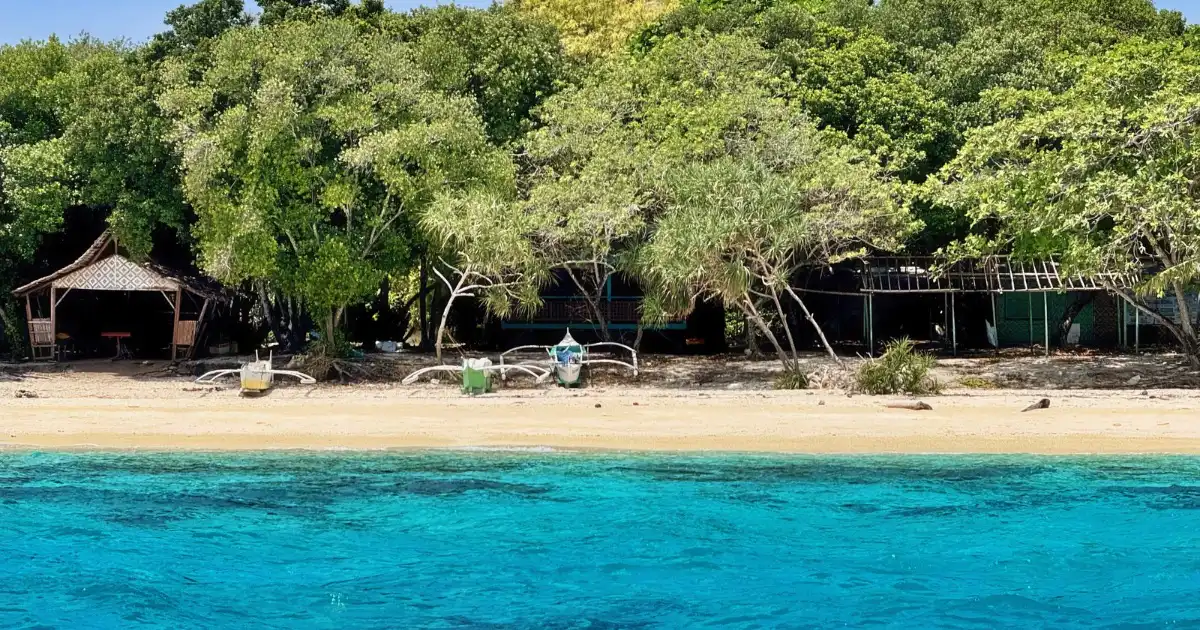

Thinking about Balicasag Island diving? If you are staying in Panglao, it will probably be near the top of your list. Turtles, reef walls and the chance of swimming alongside a school of jackfish make a convincing invitation.
I dived here in late March 2026, and the turtles were a highlight. The current also made its presence known. Before you book, it helps to understand both sides of the experience so you can choose a trip that suits your diving confidence.
Here is what you can expect, what to ask your dive centre and how to make the most of your day. Let’s dive in!
Balicasag Island Diving: Quick Answer
If you want the short version before deciding, here is what I would tell a friend:
- Go for: Reef walls, green sea turtles and the possibility of schooling fish.
- Be prepared for: Currents. Both of my dives involved strong currents, particularly the second.
- My highlight: Three large green sea turtles across the two dives.
- Do not count on: The famous jackfish school. It’s not guaranteed.
- Before booking: Explain your experience with drift diving and ask how the centre groups divers.
- My recommendation: Consider Balicasag for the whole dive experience, with any particular wildlife encounter treated as a bonus.
Planning the full Philippines dive circuit?
The Philippines Dive Circuit Itinerary covers Malapascua, Siquijor, and Bohol with day-by-day planning, dive site breakdowns, transfer logistics, accommodation picks and packing lists.
Everything in one place so you can stop researching and start diving.
Get the itinerary →
What to Expect from Balicasag Island Diving
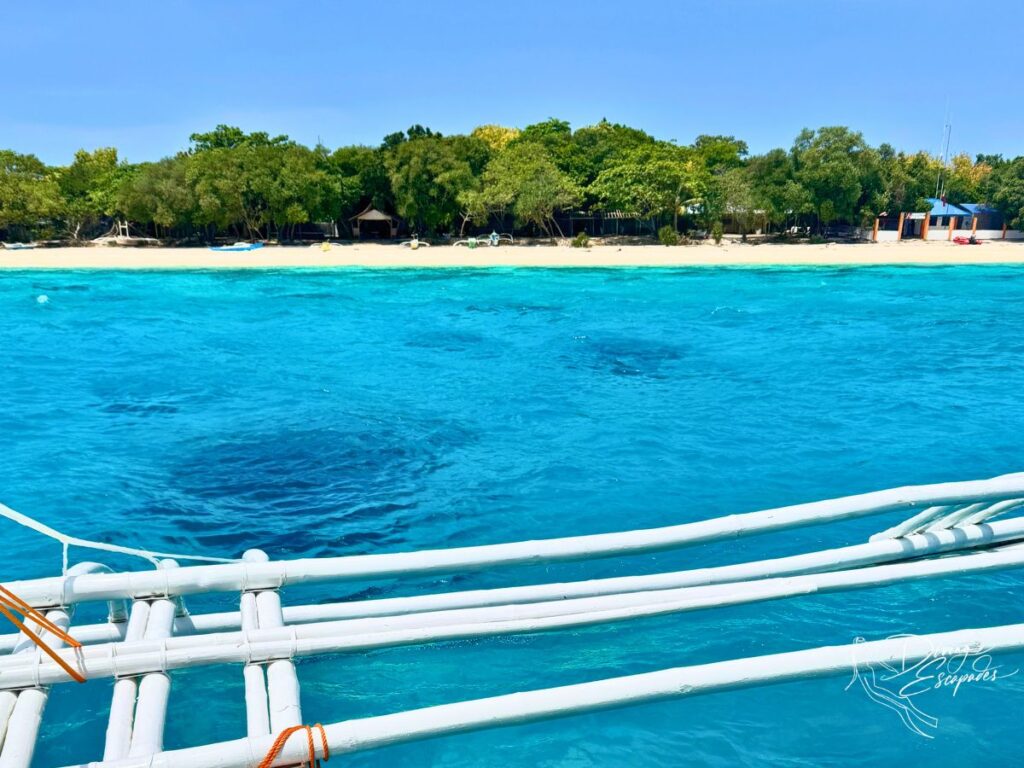
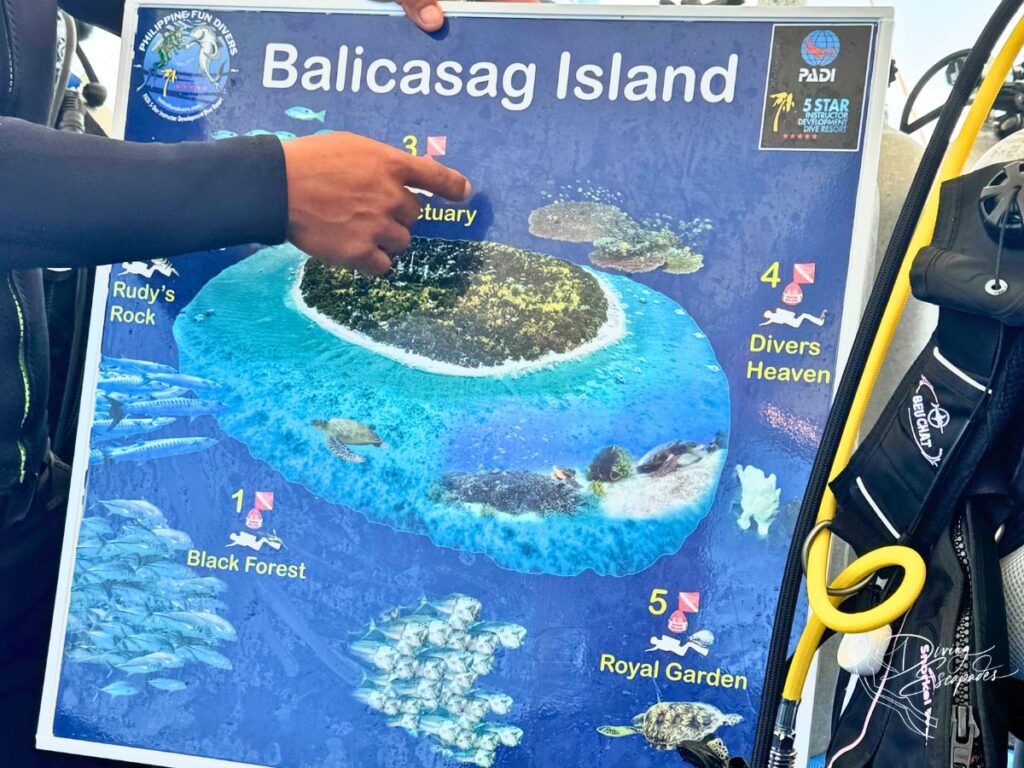
Balicasag is a small island off Panglao in Bohol. My boat journey from the Alona Beach area took around 30 minutes, making it a manageable trip from a Panglao base.
Underwater, the appeal is the combination of reef walls, turtles and the possibility of larger fish schools. Current can shape how you explore the site, so this is not always a dive where you can stop wherever you like and inspect every small creature.
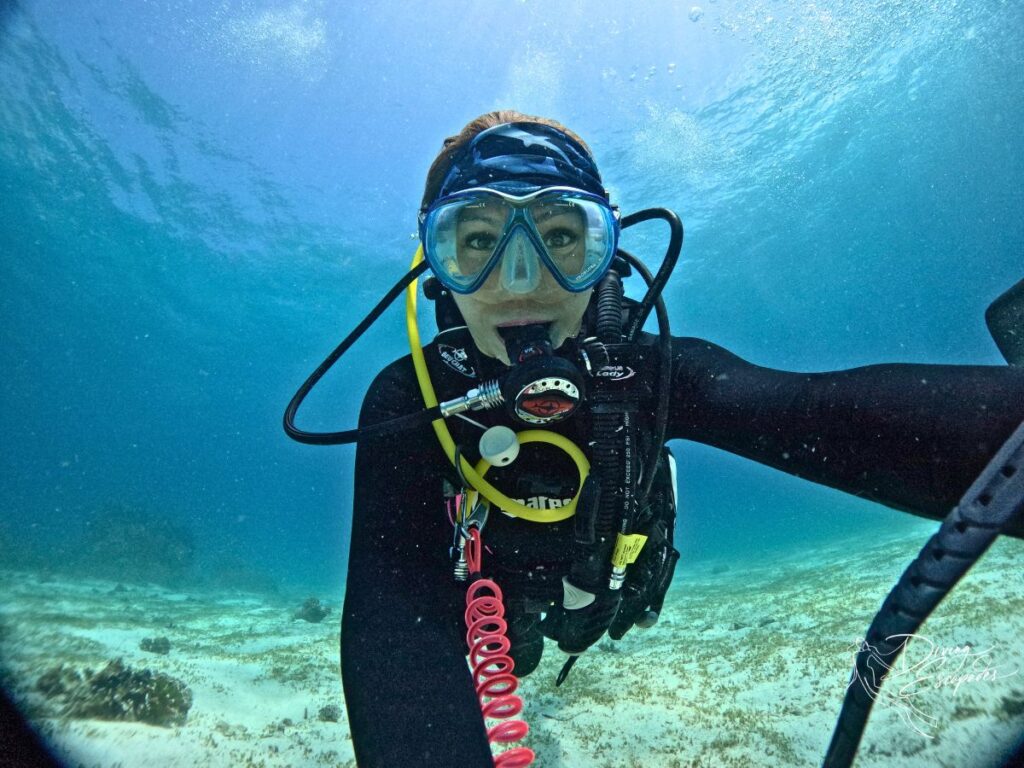
Arrange your trip ahead through your dive centre, as access requires planning and availability can be limited. Confirm your place before building the rest of your Bohol itinerary around it.
The main thing to remember is that a famous dive site still changes from day to day. Photographs show you what is possible. Your briefing should explain what is realistic for the day you are there.
Dive Centres to Consider in Panglao
If you’re looking for a dive centre, Haka Dive Center and Valm Divers are two options I would suggest contacting. Ask about their Balicasag trips, group sizes and what’s included in the price.
Let them know how comfortable you are with drift diving so you can discuss a trip that suits you.
Currents and Dive Conditions at Balicasag
Current was the biggest factor on my dives. Knowing what to ask beforehand will help you decide if the planned conditions suit you.
Be Prepared for Drift Diving
On my first dive, we initially swam against the current before settling into the drift. Once we were moving with it, the dive felt more comfortable and lasted around 49 minutes.
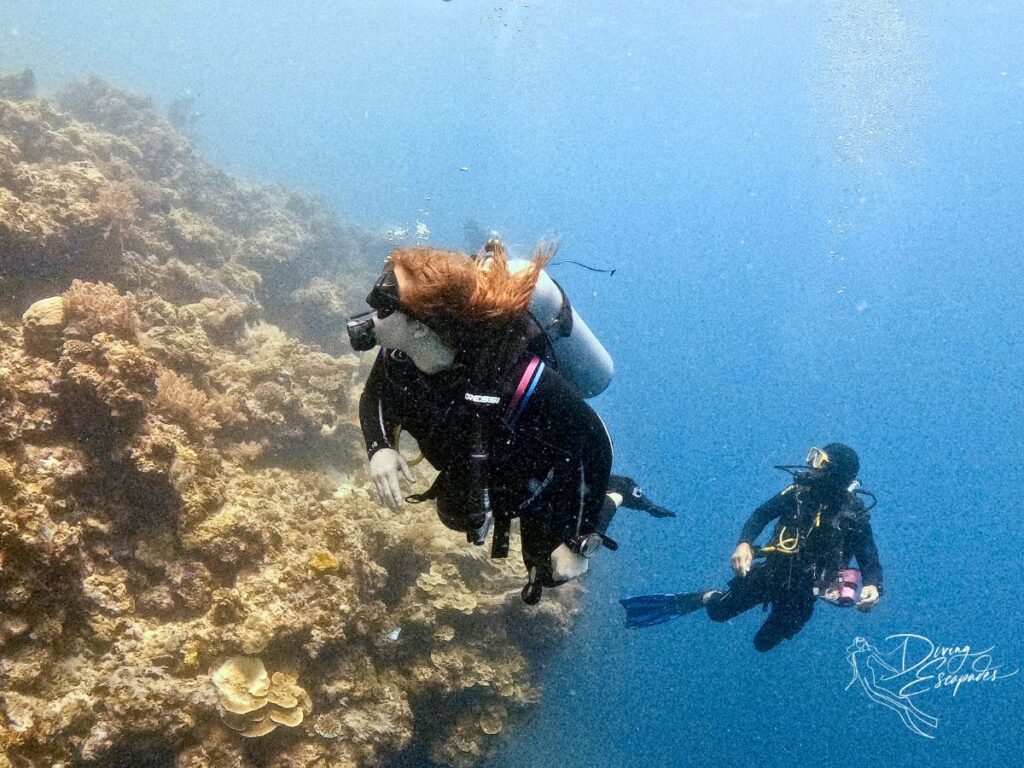
The second dive had strong current throughout. Staying with the group and controlling my position required more attention, leaving less opportunity to explore at my own pace.
Your dives may feel different, but I would arrive prepared to discuss current rather than assume you are booking an easy reef outing.
Tell Your Guide About Your Experience
Before booking, explain when you last dived, how comfortable you are with buoyancy and if you have done drift dives before.
“Advanced Open Water” or “Open Water” is useful information, but it does not tell a guide how you feel when the water starts doing the travelling for you.
If you are rusty or new to drift diving, say so early. Ask if a local check dive would help and what alternatives are available if Balicasag’s conditions do not suit you.
Listen Closely to the Dive Plan
Make sure the briefing covers the entry, descent, group positioning and separation procedure. Ask questions before entering the water, especially if something is unfamiliar.
For photography, keep your setup manageable. You want enough attention left for buoyancy and your group, rather than spending the dive trying to operate a small underwater television studio.
PRO TIP: Ask, “What conditions do you expect today, and how will you adapt the dive to our group?” The answer will tell you more than a general promise that Balicasag is suitable for everyone.
Balicasag Island Diving Marine Life
The turtles were the highlight of my visit, but it helps to separate possible encounters from expectations built around one famous photograph.
Green Sea Turtles
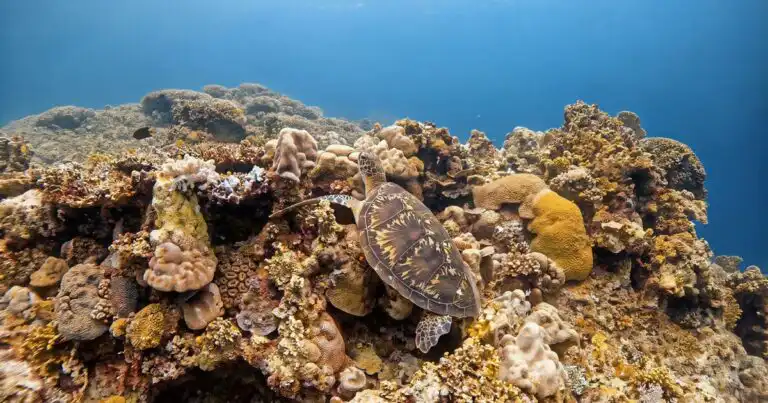
I saw three large green sea turtles during my dives. Watching them move along the reef was exactly the kind of encounter I had hoped for.
Give them space and let them continue with whatever they are doing. You do not need to get directly in front of a turtle to enjoy the encounter or take a photograph.
Jackfish and Other Schooling Fish
If you have seen photographs of Balicasag’s jackfish school, you might already have that image in mind. I did too, but I did not see the school on my dives.
My guide mentioned recent sightings farther from the usual route. That is useful local information, but fish move, and it does not establish why they move or where they will be next.
Ask your operator about recent sightings, then keep your expectations flexible. You can still enjoy the turtles, wall and reef without the exact scene you saw online.
PRO TIP: Treat the jackfish school as a possible bonus rather than the condition for a successful dive. You will enjoy the rest of the reef much more if you are not spending the entire dive looking for one thing.
Reef Walls and Smaller Details
Remember to look at the reef itself, rather than only out into the blue. The wall provides structure to explore, with smaller details worth noticing when conditions allow.
Currents may limit how long you can stop in one place. Follow the guide’s route and enjoy what you can observe comfortably, without grabbing the reef to hold yourself still.
Reef Care: What You Can Do as a Diver
At a popular site like Balicasag, the way each diver moves around the reef matters.
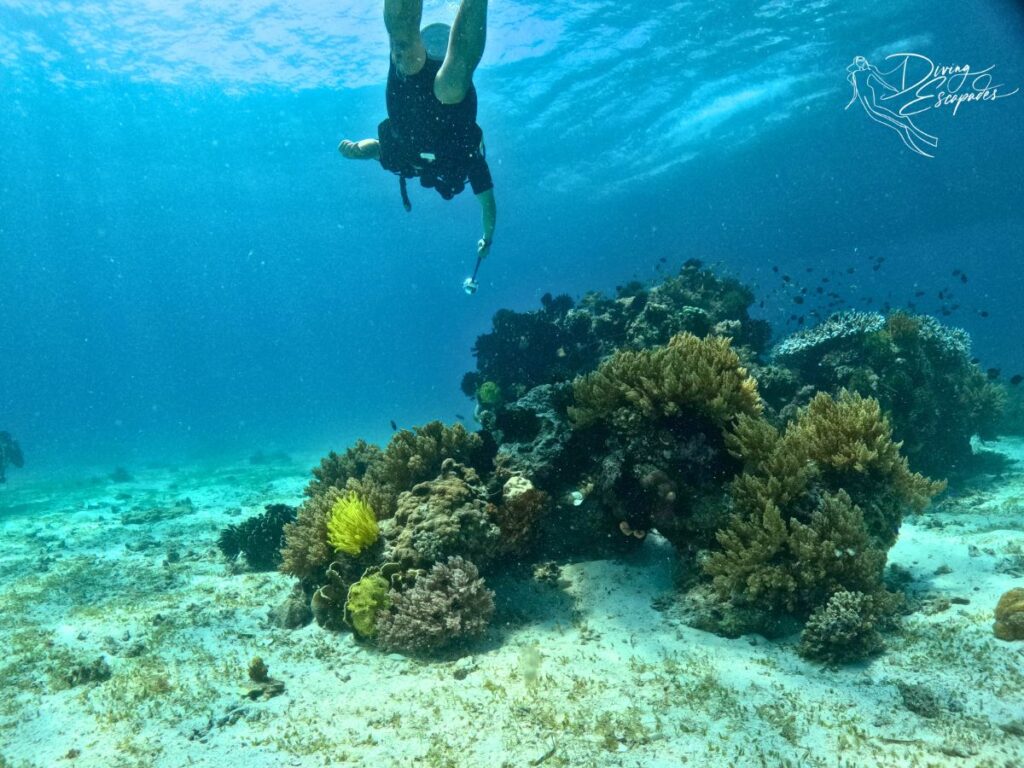
During my dives, I saw several instances of coral contact, including divers standing on or holding the reef and placing a pointer against it. Seeing this made reef care an important part of what I wanted to share.
For your own dive, focus on the things you can control:
- Keep your fins and equipment clear of coral. Secure anything that could drag or swing beneath you.
- Leave enough room to manoeuvre. Give yourself extra space when taking photographs.
- Avoid using the reef to stop yourself. Discuss positioning in current with your guide.
- Ask for help early. If you are struggling with buoyancy or the conditions, signal rather than trying to manage silently.
- Let wildlife move freely. Enjoy the encounter without chasing, touching or blocking an animal.
Good reef care starts before entering the water, with an appropriate site choice and a clear briefing. My guide to responsible diving covers more ways to prepare.
Is Balicasag Suitable for Beginner Divers?
If you are newly certified, the important question is how the planned dive matches your current experience.
Balicasag trips are offered to Open Water divers, but that alone does not tell you how demanding the conditions will be. Ask about the expected current, guide-to-diver ratio and how the centre supports newer divers.
If your last dives were during your certification course, explain that when booking. You may prefer a local dive first to settle back into your equipment and buoyancy.
There is no need to prove anything by joining a dive you do not feel ready for. Choosing a suitable site is part of being a responsible diver, and Bohol gives you other options to discuss.
Practical Information for Balicasag Island Diving
Confirm these details before booking so you know what your day includes and what you need to bring.
Getting to the Dive Boat
From Alona Beach, you’ll take a small tender boat for about two minutes to reach the main dive boat. From there, my journey to Balicasag took around 30 minutes, although timing depends on sea conditions.
Confirm your meeting point and time with the dive centre. Ask if you need to arrive earlier for equipment fitting and paperwork so you’re ready when it’s time to leave.
Booking, Prices and Fees
In my experience, you need to arrange your Balicasag trip in advance. Diver numbers are limited, and dive centres have set schedules, so get in touch before your visit to confirm availability and plan your dive day.
The cost is around PHP 4,170 for two dives (approx. $75 USD), including equipment rental and marine fees, in March 2026. If you bring your own gear, ask for the rate without rental equipment, which should bring the cost down.
Confirm the total price and inclusions when booking so you know exactly what you’re paying for.
How Much of the Day to Set Aside
Keep Balicasag as your main activity until the operator confirms the departure and expected return time.
I completed two dives and we where back in Panglao at around 01:30 PM. Avoid committing to a tightly timed afternoon tour based on a general description of the trip.
What to Bring
Pack your certification information, dive insurance details and any personal equipment you plan to use.
For the boat, bring drinking water, sun protection, a towel or light layer, and a suitable bag for items you want to keep dry.
Dive boots made the ladder exit more comfortable for me. Check that they work with the fins you will use, particularly if you are renting equipment.
PRO TIP: Ask about the boat entry and exit before packing. If you use boots, confirm that your own or rental fins are compatible with them.
Planning the full Philippines dive circuit?
The Philippines Dive Circuit Itinerary covers Malapascua, Siquijor, and Bohol with day-by-day planning, dive site breakdowns, transfer logistics, accommodation picks and packing lists.
Everything in one place so you can stop researching and start diving.
Get the itinerary →
Other Diving Options Near Panglao, Bohol
If you have another dive day, or Balicasag’s conditions do not suit you, ask your operator about other sites. You do not need to choose every dive by how often its name appears online.
Pamilacan Island
Pamilacan was recommended to me by a former local diver I met during my Bohol trip. It is somewhere I would ask about on a return visit.
Discuss the boat journey, current, available sites and recent conditions with your operator. Choose it because the planned diving suits you, rather than assuming a less familiar name automatically means easier conditions.
Napaling Reef
Napaling is another option to explore if seeing a sardine school interests you. It attracts snorkellers, freedivers and scuba divers, so first decide how you want to experience it.
Ask about access, current conditions and a suitable time to visit. If you want a quieter experience, discuss timing rather than assuming you will have the site to yourself.
Local Panglao Dive Sites
Local sites are worth considering for a check dive, a more flexible schedule or an additional dive day.
Tell your centre what you enjoy, such as smaller marine life, photography or a gentler introduction after time out of the water. That gives them something more useful to work with than simply asking for “the best site.”
PRO TIP: Ask your operator, “Which sites are diving well right now, and which would suit my experience?” Recent local knowledge can help you choose a better day than a fixed list of famous names.
How Balicasag Fits Into a Philippines Dive Trip
If Bohol is already on your route, Balicasag is a convenient diving option to consider from Panglao. You can combine your dive day with time exploring Bohol, then continue to another island.
For a wider trip, compare the type of diving you want at each stop. Balicasag’s appeal is different from a trip built around Malapascua’s thresher sharks or Dauin’s smaller marine life.
My scuba diving in the Philippines guide will help you decide which destinations belong on your route.
Want more planning help? Browse my free Philippines dive travel guides and choose one for your next trip.
Balicasag Island Diving FAQs
Here are the main questions I would want answered before booking.
It can be quite crowded but I would consider it if you are staying in Panglao and interested in turtles, reef walls and drift diving. The turtles were my highlight, but the conditions and wildlife will shape your own experience.
Jackfish sightings are possible, but you should not expect the school on every trip. Ask about recent sightings and enjoy the rest of the dive regardless.
Turtles are a well-known attraction, and I saw three large green sea turtles. Sightings cannot be guaranteed, so choose the trip for more than a single animal encounter.
They can be. Current was strong on both of my dives, particularly the second. Ask your guide about expected conditions and how the dive will be adapted to the group.
Operators offer trips to Open Water divers, but suitability also depends on your experience, buoyancy and comfort in current. Discuss those details before paying.
A two-dive trip gives you more time to experience the area than a single dive. Check where each dive takes place, as some packages may include a separate Panglao site.
Yes, arrange the trip ahead through your dive centre. Availability and access arrangements can affect your plans, so avoid leaving it until your final day in Bohol.
The Wrap Up: Balicasag Island Diving
If you’re staying in Panglao and enjoy drift diving, Balicasag is worth adding to your plans. The huge turtles were my highlight, and there’s plenty to enjoy along the reef.
Panglao is also a handy base if you’re travelling with non-divers. You can enjoy a dive day while they explore Bohol, then meet up for dinner and share the day’s stories. Safe travels!