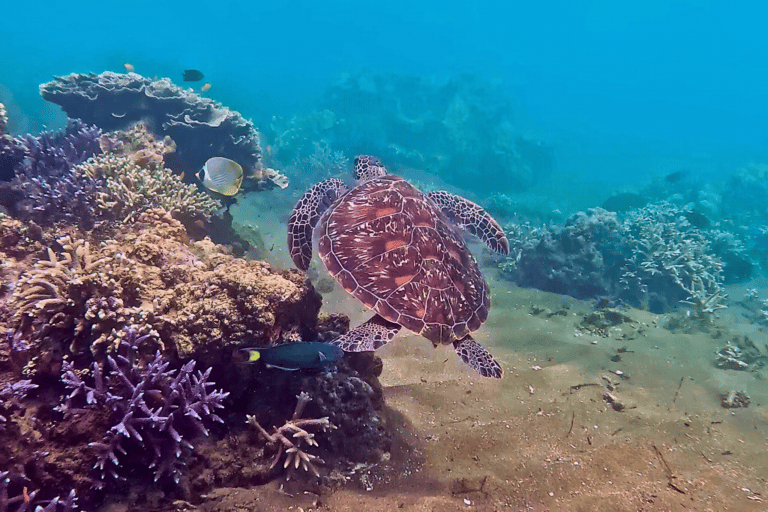
Siquijor Island Travel Guide: What to Know Before You Go
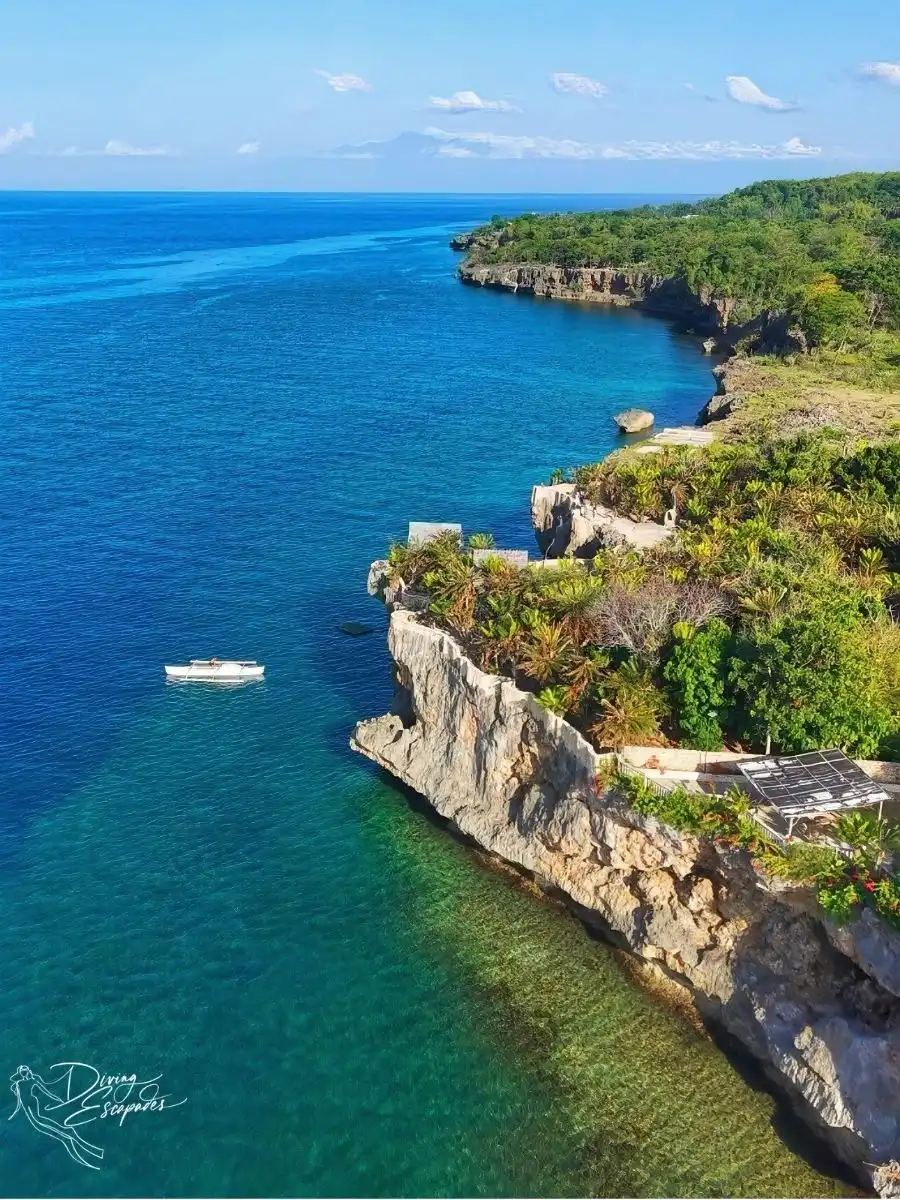

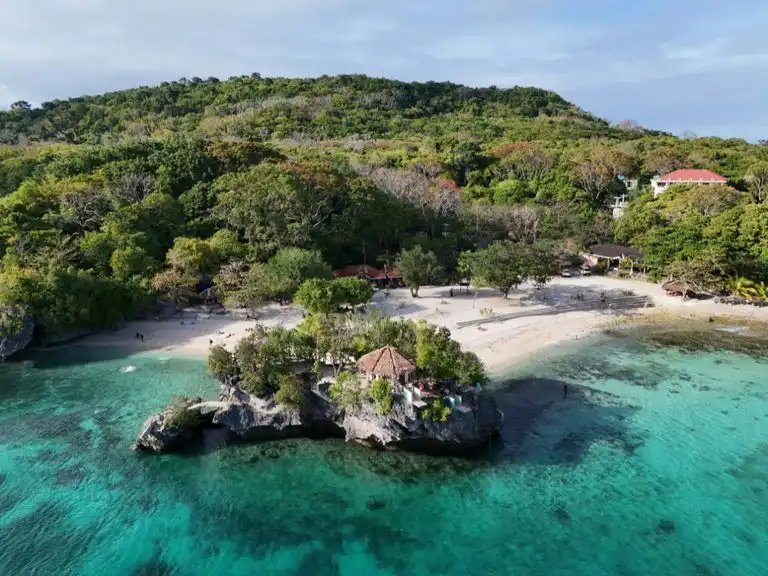
Siquijor Island is not a place you should try to rush. It is calm, green and easy to explore, with a beautiful coastline above the water and relaxed reef diving below it.
I was born and raised in the Philippines and have returned every year since 2023, yet Siquijor still surprised me. Beyond the stories about healers and folklore, I found a welcoming island with good food, memorable outdoor adventures and a pace that makes you want to stay longer than planned.
Use this guide as your starting point for a first visit. It covers the decisions you need to make before you go, then directs you to my detailed guides for ferries, accommodation, activities, restaurants, diving and itineraries. Let’s dive in!
Siquijor Island at a Glance
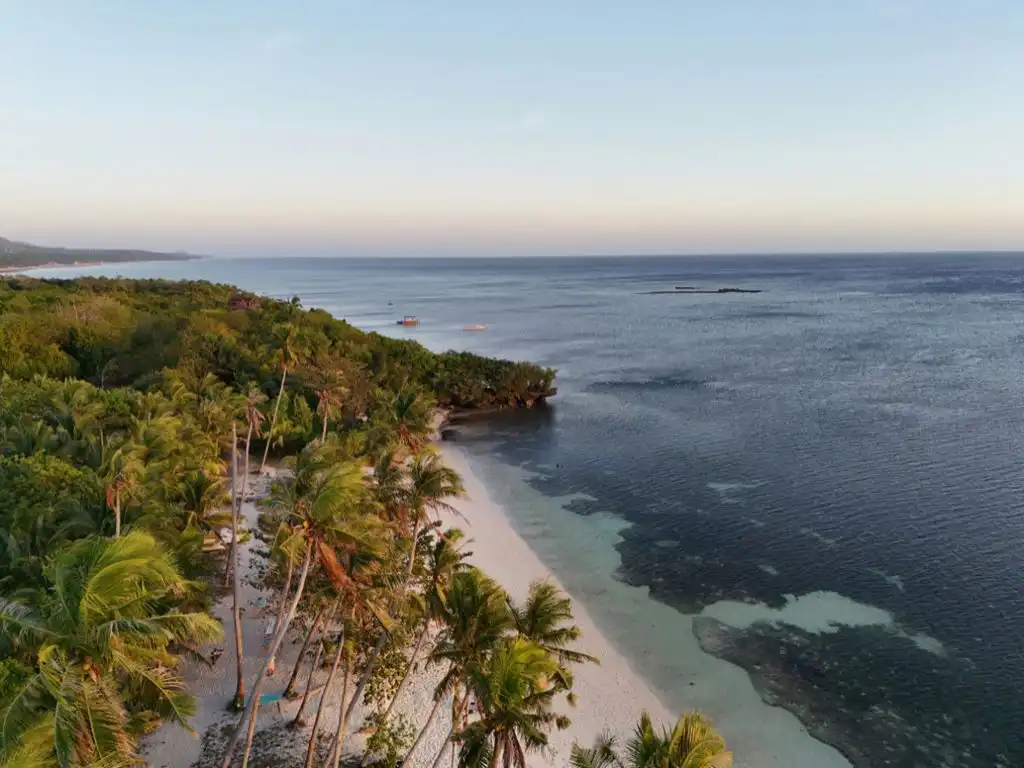
If you are deciding how Siquijor fits into your Philippines trip, these are the essentials to know first.
| Planning question | Quick answer |
| Where is it? | An island province in the Central Visayas, reached by ferry from Bohol, Dumaguete and other regional ports. |
| Who will enjoy it? | Divers, nature lovers, couples, solo travellers and anyone who prefers smaller islands to busy resort areas. |
| Best base for a first visit | San Juan, especially for convenient access to dive centres, restaurants and the sunset coastline. |
| How much time should you allow? | Four nights is a comfortable starting point, although a shorter trip is possible if you choose your priorities carefully. |
| How do you get around? | Rent a scooter if you ride confidently, or hire a tuk-tuk or private driver if you would rather enjoy the view than watch the map. |
What Siquijor Island Is Really Like
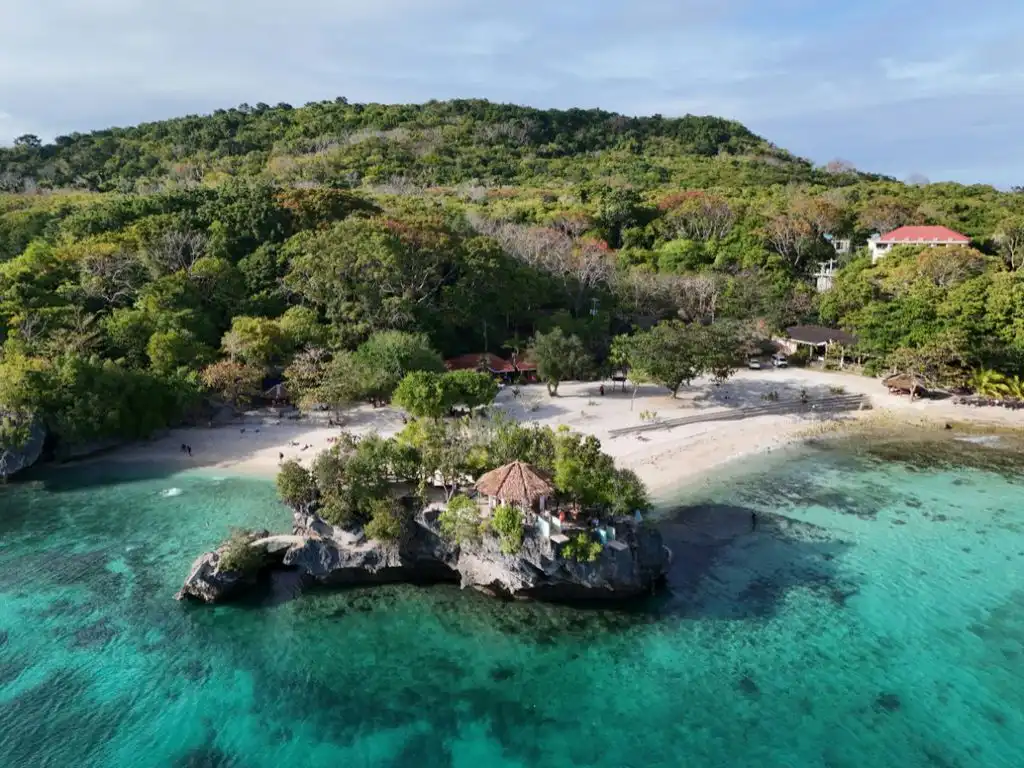
Siquijor is often introduced as the Philippines’ “mystical island,” but everyday life there feels much more relaxed than mysterious.
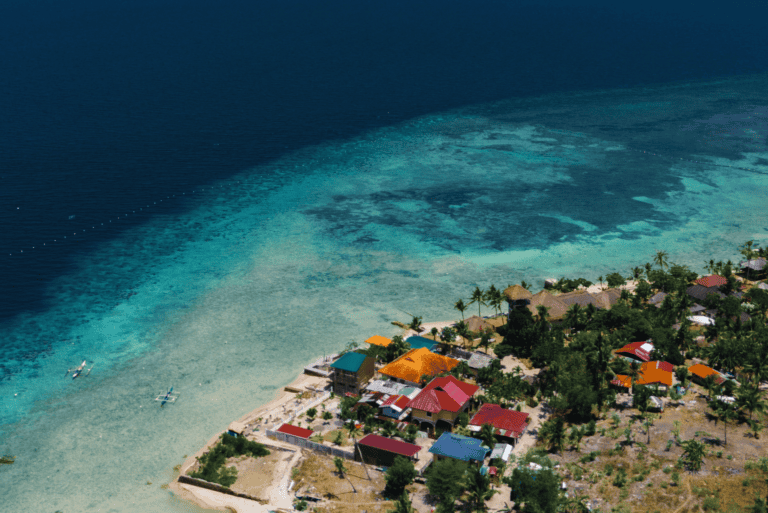
Expect green coastal roads, small communities, simple guesthouses, locally run restaurants and beach bars where nobody seems particularly interested in rushing you.
The island has enough tourism infrastructure to make travelling comfortable, especially around San Juan, but it does not feel dominated by large resorts.
You can spend the morning diving or exploring a cave, stop somewhere casual for lunch and watch the sunset without needing a complicated plan.
Siquijor is best suited to travellers who enjoy nature, independent exploring and a slower rhythm. If your priority is large resorts, shopping or busy nightlife, another island may suit you better.
Siquijor’s appeal is that you can do plenty without feeling as though you need to be busy all day.
It also fits naturally into a dive-focused route through the Visayas. If you are planning several stops, my Philippines dive circuit itinerary explains how the islands connect and how to avoid losing too much of your holiday to transfer days.
How to Get to Siquijor Island

For most visitors, the final part of the journey to Siquijor is by ferry. The best departure point depends on the rest of your route rather than Siquijor alone.
I travelled from Tagbilaran in Bohol on an OceanJet fast ferry. The crossing took around two hours and arrived with enough daylight left to transfer to San Juan and settle in.
Dumaguete on Negros is the other main gateway and offers a much shorter crossing, while travellers starting in Cebu will normally connect through Bohol or Dumaguete.
Once you arrive at Siquijor Port, you can continue to San Juan by tuk-tuk, motorbike taxi or private transfer. For route options, connection advice and the complete port-transfer process, see my how to get to Siquijor guide.
PRO TIP: Agree the tuk-tuk fare before you get in. I paid PHP 300 (about USD 5) from Siquijor Port to San Juan. Prices can change, but this gives you a useful reference when arranging your transfer. Arriving in daylight also makes finding your accommodation much easier.
How to Get Around Siquijor
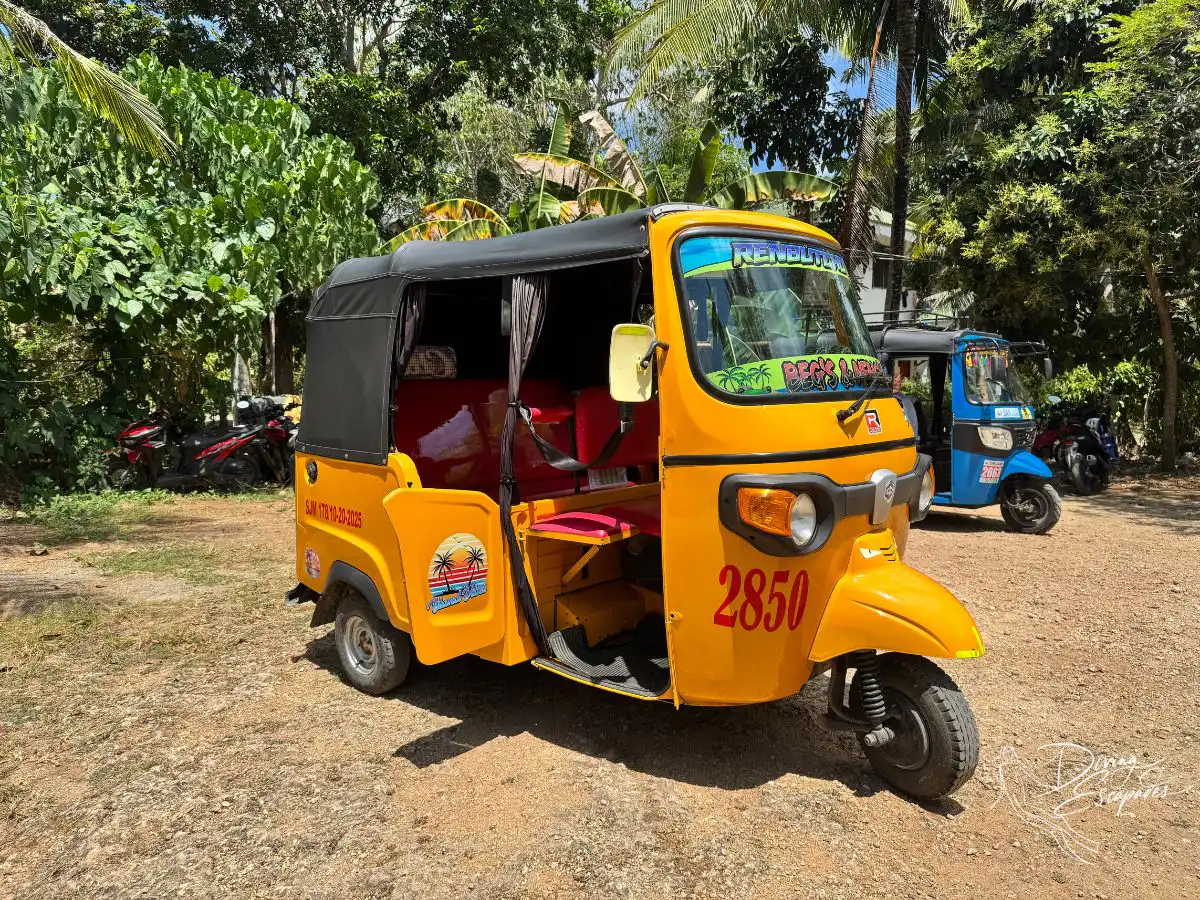
There is no structured public transport system covering the island, so most visitors choose between renting a scooter and hiring a driver.
A scooter gives you the most freedom and works well if you are already confident riding.
Rentals were around PHP 350 a day when I visited in April 2026. Some roads are quiet and scenic, but conditions can vary, so Siquijor is not the place to learn how to ride a scooter.
A tuk-tuk with a driver was around PHP 1,500 a day during my visit and is the easier option if you want to explore without navigating.
I arranged my drivers through my accommodation, which gave me the flexibility to change stops and timings during the day.
For divers travelling with their own equipment, a tuk-tuk or private transfer is usually more practical than a motorbike.
The full comparison of transport options and typical prices is in my how to get to Siquijor guide.
Planning the full Philippines dive circuit?
The Philippines Dive Circuit Itinerary covers Malapascua, Siquijor, and Bohol with day-by-day planning, dive site breakdowns, transfer logistics, accommodation picks and packing lists.
Everything in one place so you can stop researching and start diving.
Get the itinerary →
How Many Days Do You Need in Siquijor?
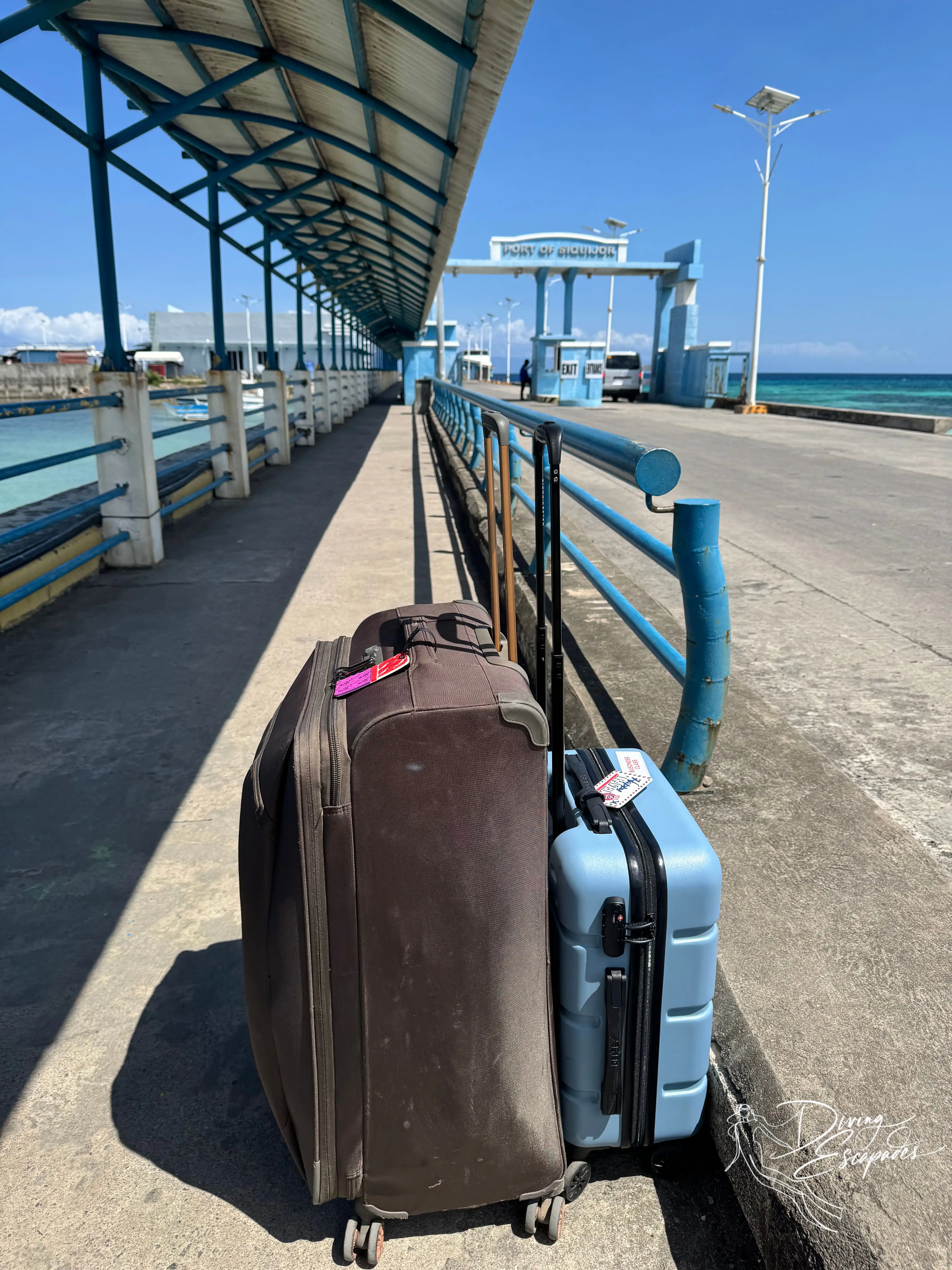
I spent three days in Siquijor. That was enough for diving and some of the island’s main attractions, but it required making choices, and I left with several places still on my list.
For a first visit, I recommend allowing a minimum of at least four nights. That gives you room for a diving day, an island-exploration day and some unplanned time by the coast, with a little flexibility if weather or ferry conditions affect your plans.
If you only have three days, focus on the experiences that matter most to you instead of trying to complete the entire island loop at speed.
If you have a week, you can divide your time between diving, land activities and quieter beach days without constantly checking the clock.
For a day-by-day plan, including a shorter three-day version, see my Siquijor itinerary.
Where to Base Yourself in Siquijor
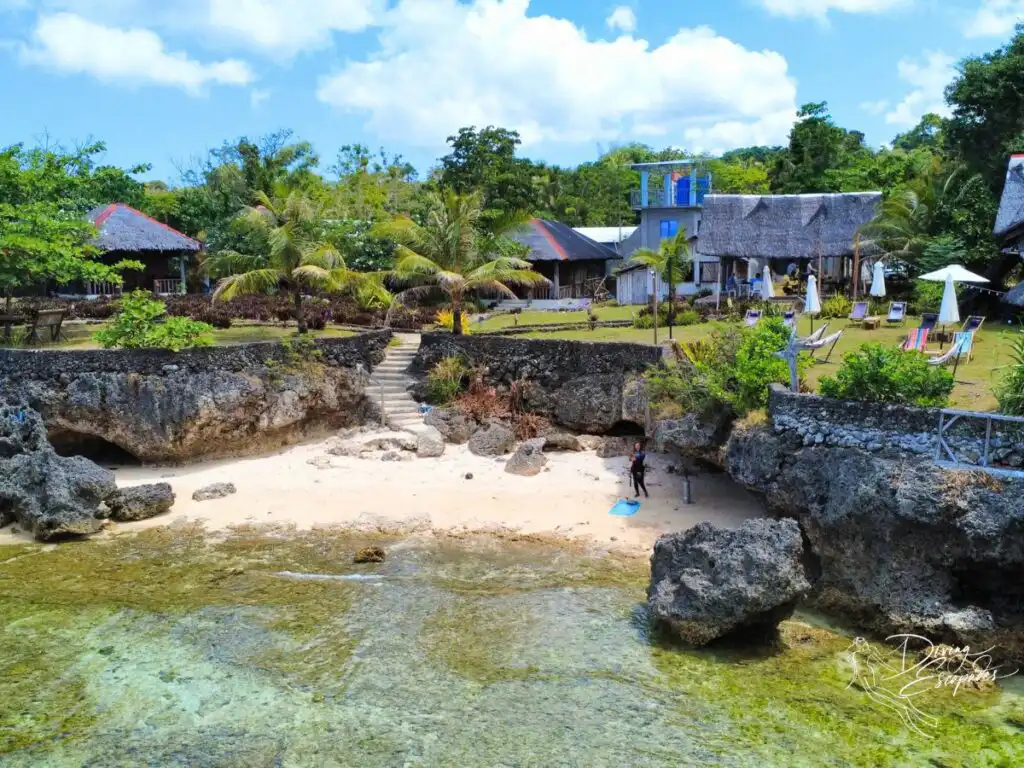
San Juan is the most convenient base for most first-time visitors, particularly if you plan to dive. It has the island’s strongest concentration of dive centres, restaurants and accommodation, and its position on the western coast makes catching the sunset easy.
Staying in San Juan does not prevent you from exploring the rest of Siquijor. Drivers regularly make full or partial island loops, so you can reach the caves, waterfalls and eastern coastline on a day trip without changing accommodation.
I stayed at MHARI Bungalows and Rooms, a quiet property surrounded by greenery about a five-minute walk from Last Frontier Dive. Its location worked particularly well for early diving plans, and manager Patricia helped arrange reliable local transport.
See my full where to stay in Siquijor guide for accommodation choices across different budgets and travel styles.
What to Do in Siquijor: My Firsthand Highlights
Siquijor’s main attractions are spread around the island, but several can be combined into a relaxed day with a driver. These are the places I personally visited and would recommend prioritising.
Sambulawan Underground River
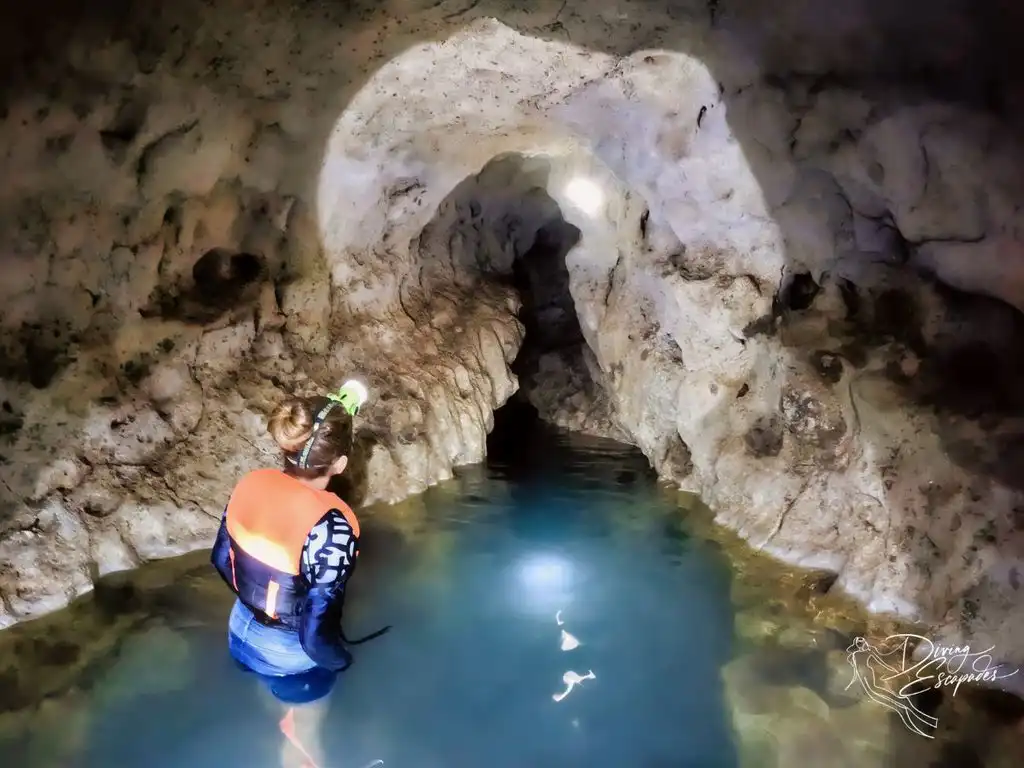
Sambulawan Underground River was one of the most adventurous experiences of my Philippines trip.
The visit involves entering a cave system and swimming through part of the underground river, so expect to get wet and do more than simply admire the entrance.
You should be reasonably fit, comfortable in the water and happy in enclosed spaces. If you are claustrophobic, I would skip this one. There are plenty of other things to do in Siquijor.
Pitogo Cliff at Golden Hour
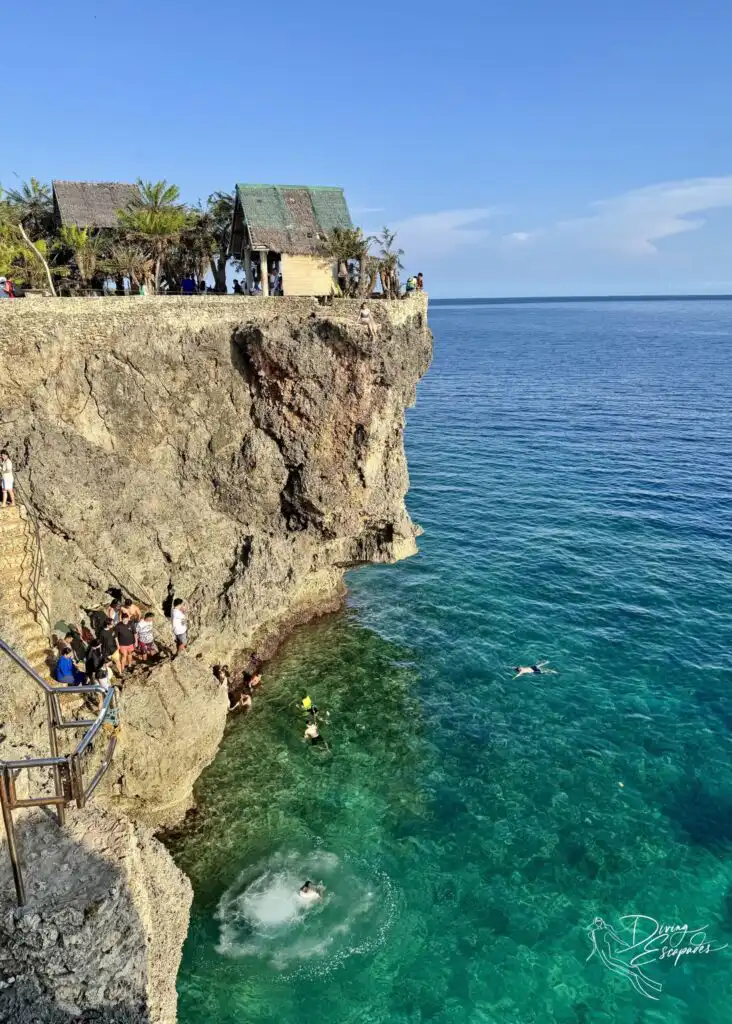
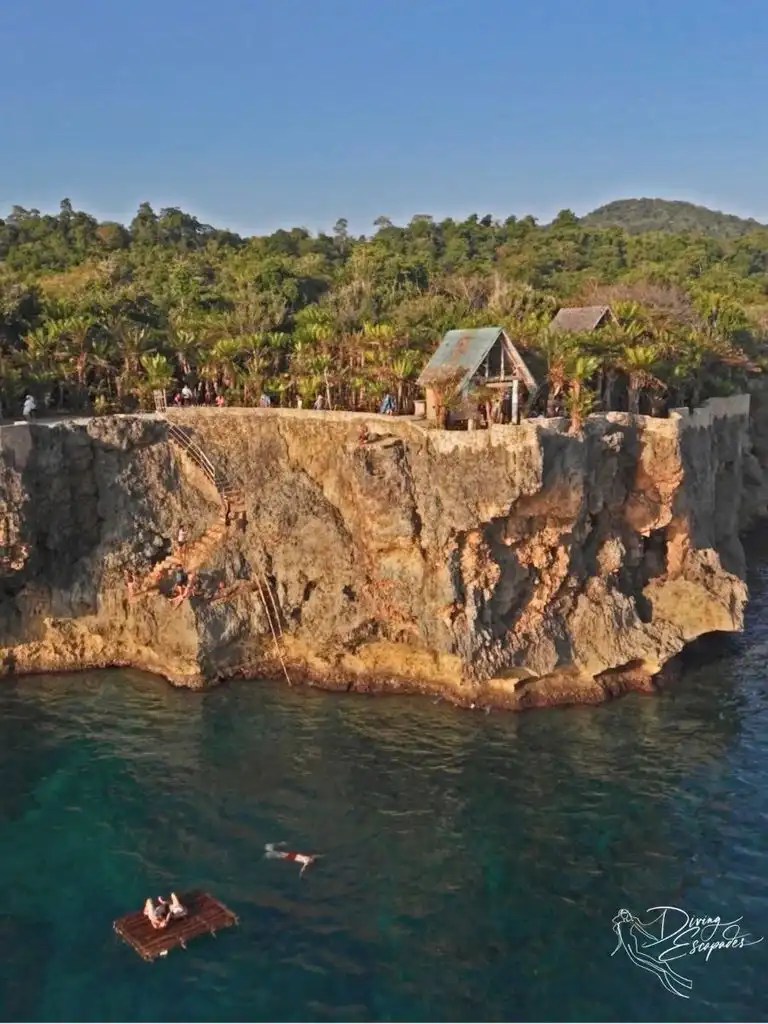
Pitogo Cliff Nature Park offers wide views along Siquijor’s coastline and is particularly beautiful when the light is soft. Sunrise is quieter and cooler, while sunset gives the cliffs and water a warmer glow.
I visited twice because the experience changes with the light. If you only have time for one visit, choose the timing that fits your route rather than racing across the island solely for a photograph.
The Old Balete Tree
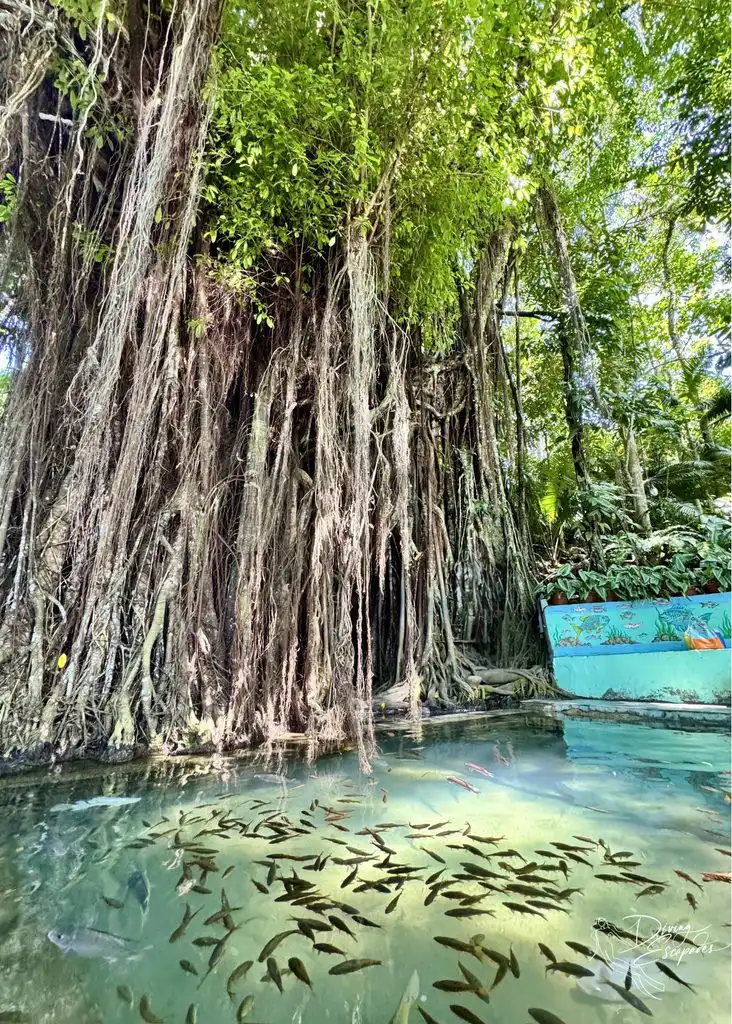
The Old Balete Tree is one of Siquijor’s best-known landmarks. Its enormous trunk and hanging aerial roots are the main attraction, with a spring-fed fish spa pool beside it.
It is a short, easy stop rather than a half-day activity, so it works best as part of an island loop. Even if the fish spa is not for you, the tree itself is worth seeing. I watched the fish but decided to keep my feet to myself.
For the island’s beaches, waterfalls, caves and additional attractions, see my full things to do in Siquijor guide.
Diving and Snorkelling in Siquijor
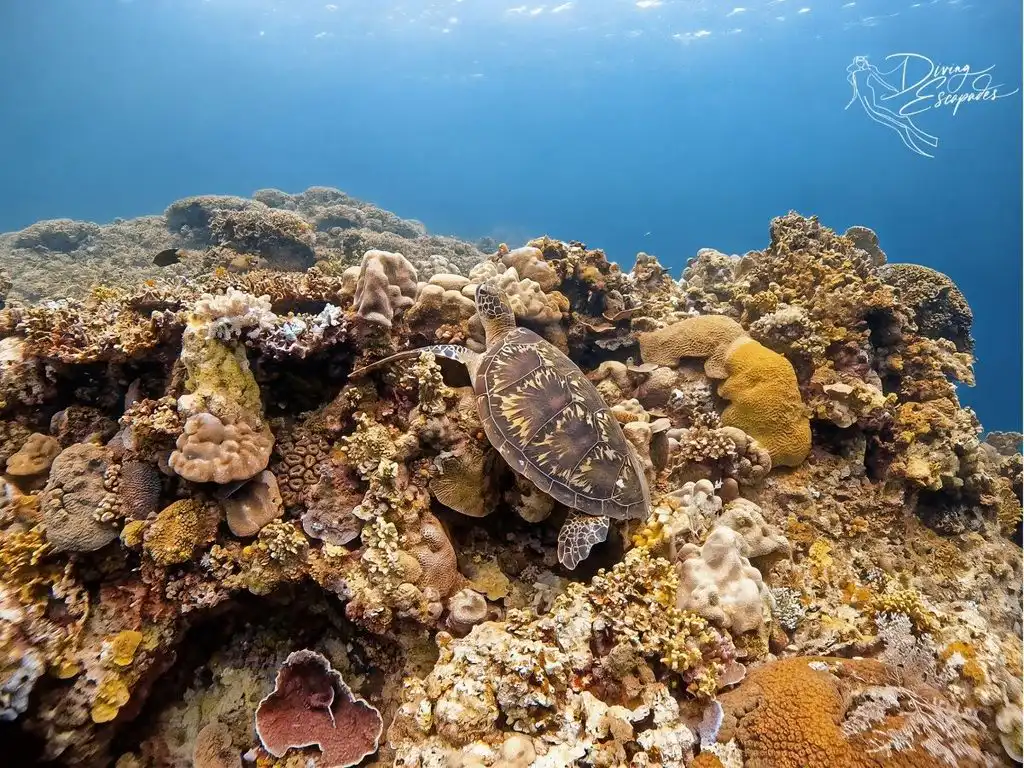
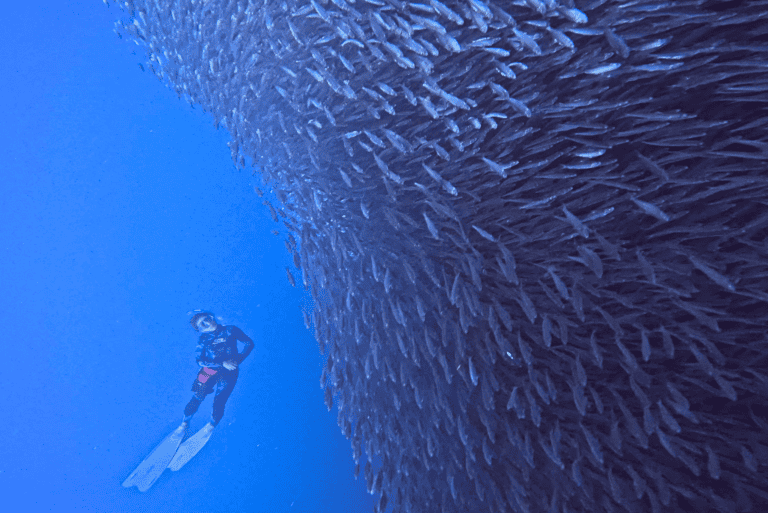
Siquijor is a rewarding stop for divers who enjoy relaxed reef diving, smaller groups and the chance to slow down and look for marine life.
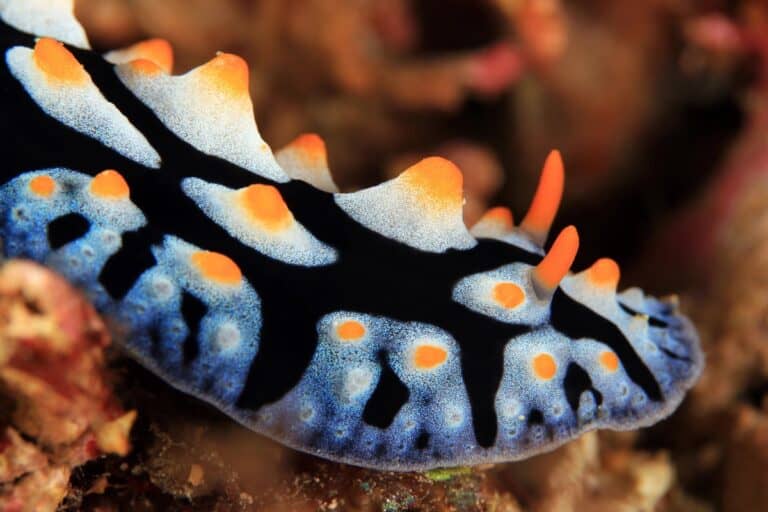
My own dives included healthy coral, turtles, octopus and my first frogfish, while the night dive was one of the highlights of my visit.
Rather than repeating individual dive sites and marine-life details here, I cover them in my Siquijor diving guide. You can also read my Last Frontier Dive review for a closer look at the operator I used and the experience divers can expect.
Planning the full Philippines dive circuit?
The Philippines Dive Circuit Itinerary covers Malapascua, Siquijor, and Bohol with day-by-day planning, dive site breakdowns, transfer logistics, accommodation picks and packing lists.
Everything in one place so you can stop researching and start diving.
Get the itinerary →
Where to Eat in Siquijor
San Juan has the island’s widest choice of restaurants and bars, from casual local seafood places to pizza, vegan food and beachside drinks. You do not need to stay at a large resort to have plenty of dinner options nearby.
My favourite meal was at Angel Wish Seafood Restaurant.
The food was simple, fresh and good value: garlic and pepper prawns, sautéed okra and a cucumber-lime shake. It was exactly the kind of unfussy dinner that works after a full day in the water.
For more restaurant recommendations, including vegan-friendly choices and help ordering from a Filipino menu, see my where to eat in Siquijor guide.
Practical Things to Know Before You Go
Siquijor is easy to travel around, but a few small preparations will make your arrival and island days much smoother.
- Save essential details offline. Screenshot your ferry ticket, accommodation address and booking confirmations before travelling. Do not rely on having a strong mobile signal exactly when you need it.
- Carry Philippine pesos. I used cash for tuk-tuks, entrance fees and smaller purchases. Card acceptance varies, especially outside larger hotels and businesses.
- Ask your accommodation for transport help. This is often the easiest way to find a dependable driver and arrange a port pickup without negotiating after a ferry journey.
- Pack water-friendly footwear. Shoes with grip are helpful for caves, waterfalls and rocky entrances. Ordinary flip-flops are not always your friend on wet ground.
- Leave breathing room around ferry days. Sea conditions can affect island travel, so avoid booking a tight flight or important connection immediately after a ferry.
- Plan diving around the marine closure. Divers should check the monthly closure before choosing dive dates; the full explanation is in my Siquijor diving guide.
PRO TIP: If you travel with your own dive equipment, arrange the port transfer in advance and tell the driver you have a dive bag. Space matters more than saving a little on the ride.
Want more planning help? Browse my free dive travel guides before your trip.
When to Visit Siquijor
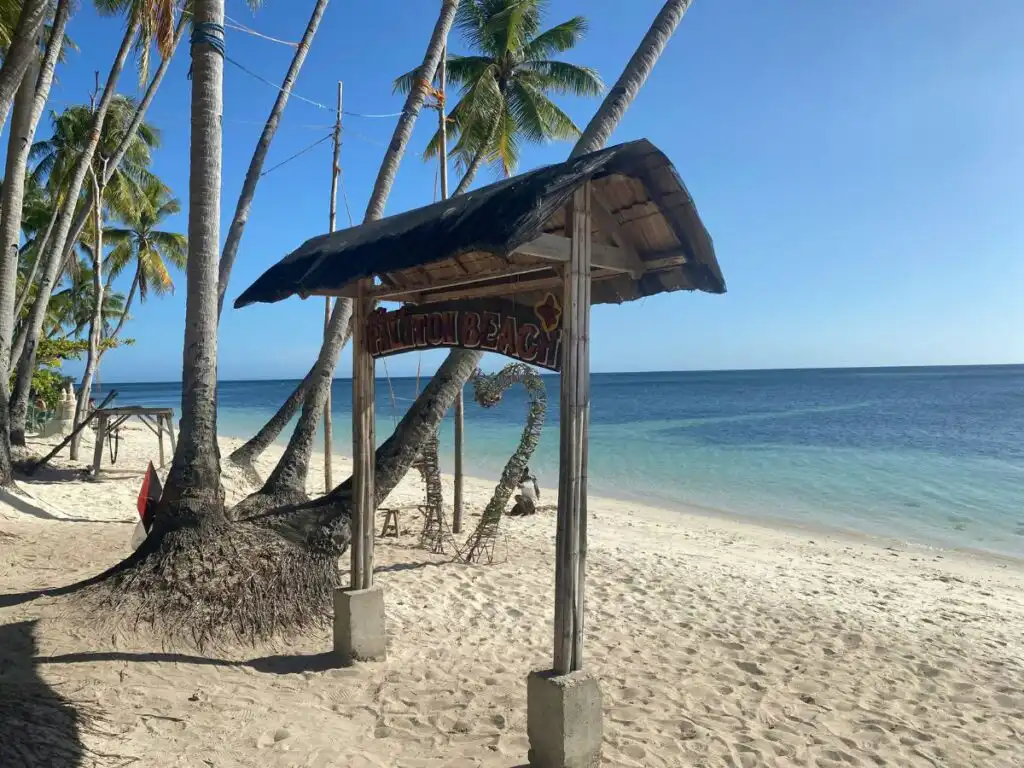
The drier months, roughly December to May, are generally the easiest for beach days, island exploring and smoother ferry journeys. This is also the busier period, so booking your preferred accommodation and ferries ahead is sensible.
The wetter months can bring more variable conditions, but that does not mean every day will be rainy. Weather in the Philippines rarely behaves as neatly as a seasonal chart suggests, so build some flexibility into your plans.
Divers should also check Siquijor’s monthly marine closure before choosing their dates, as it can affect scheduled water activities.
Siquijor Island FAQs
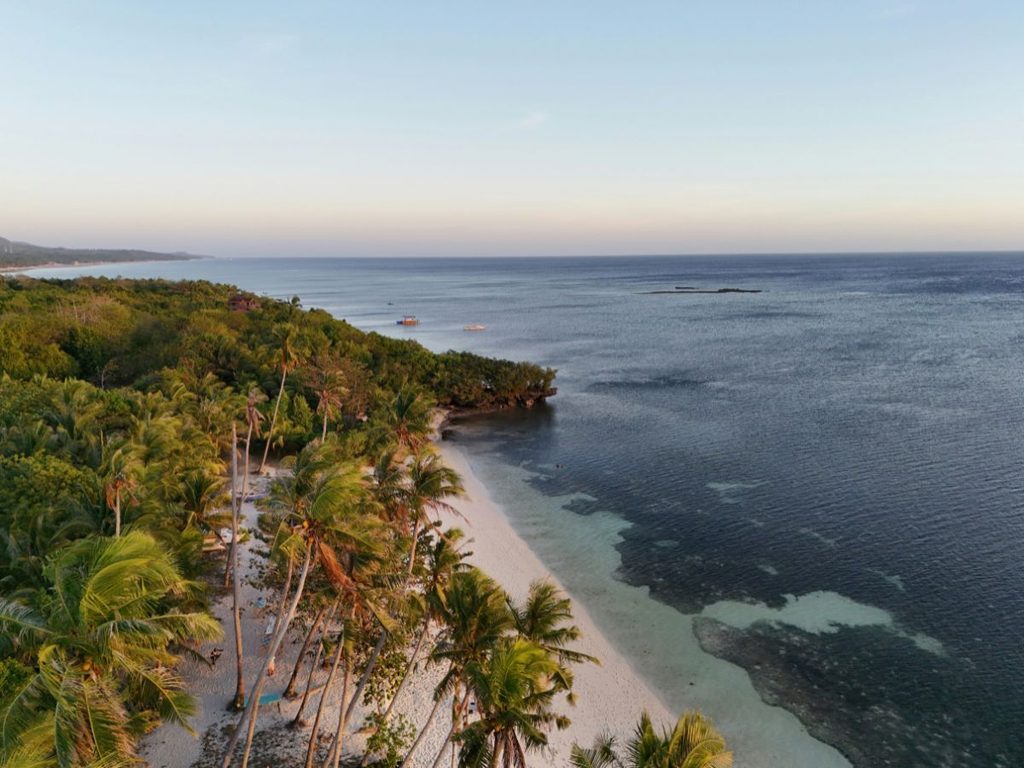
These quick answers cover the most common questions travellers have when planning a first visit to Siquijor Island.
For most first visits, I recommend at least four nights. This gives you enough time to dive, explore some of the island and enjoy a slower day without squeezing everything into one rushed loop.
San Juan is the most convenient area for most first-time visitors. It has the best concentration of dive centres, restaurants and accommodation, as well as easy access to the western sunset coastline.
Yes. You can hire a tuk-tuk with a driver or arrange a private car through your accommodation. A driver is especially practical if you are travelling with dive equipment or do not regularly ride scooters.
I travelled alone and felt comfortable during my visit. I used drivers arranged through my accommodation, followed normal travel precautions and let someone know my plans when heading out for the day.
Yes. Carry Philippine pesos for local transport, attraction fees and smaller restaurants. Some hotels and larger businesses accept cards, but you should not rely on card payments everywhere.
Absolutely. Siquijor has caves, waterfalls, beaches, coastal viewpoints and good local restaurants, making it a worthwhile stop for non-divers and mixed groups.
The Wrap Up: Planning Your Siquijor Island Trip
Siquijor gives you a good balance of relaxed diving, outdoor adventures and time by the coast, all on an island that is easy to explore.
For a first visit, base yourself in San Juan, decide whether you prefer a scooter or a driver and choose a few experiences that matter most to you.
You do not need to see everything to enjoy Siquijor. In fact, this is one island where leaving some time unplanned really pays off.
Use the guides below to plan each part of your trip, and keep this page as your starting point.
Continue planning
- How to get to Siquijor
- Where to stay in Siquijor
- The best things to do in Siquijor
- Where to eat in Siquijor
- Siquijor itinerary
- Siquijor diving guide and my Last Frontier Dive review
Planning several islands? Get the Philippines Dive Circuit Itinerary to plan the wider route.
Safe travels!