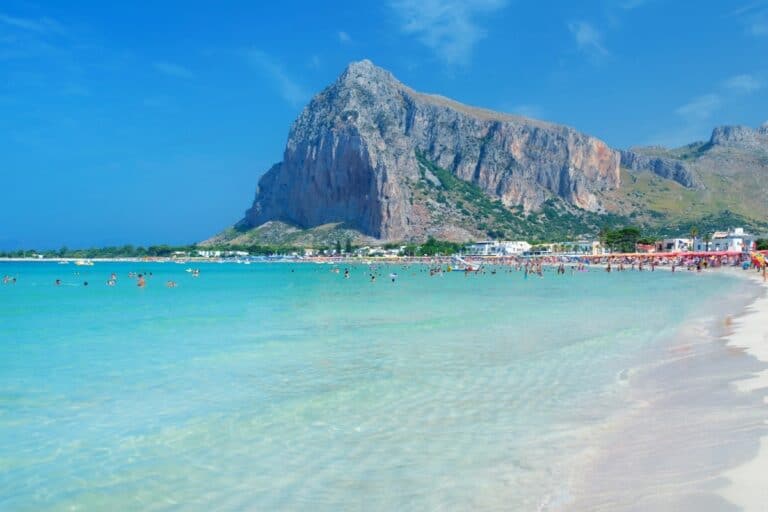
Diving in Santa Teresa di Gallura, Sardinia: Wrecks, Caves & My Tips


Diving in Santa Teresa di Gallura is one of my favourite ways to explore northern Sardinia. I’ve visited twice, first in late August and September 2024 and again in September 2026, and went scuba diving on both trips.
Between those visits, I completed six boat dives with Blu Dive Center. My dives included the Angelika wreck, Sifone Cave and Munichedda, and in 2026 I returned to the Capo Testa–Punta Falcone Marine Protected Area for dives around Sifone and Secca di Munichedda. I loved the variety, from the split shipwreck and cave formations to rocky reefs full of marine life.
Here’s what I’d recommend if you’re planning to dive here, from the sites and dive centre to costs, water temperatures and getting around. Let’s dive in!
Santa Teresa di Gallura Diving Overview
Santa Teresa di Gallura sits on the northern tip of Sardinia, across the Strait of Bonifacio from Corsica. The coastline around Capo Testa and Punta Falcone has granite formations, rocky reefs, sheltered areas and a few memorable wreck and cave dives.
I spent 10 days here in 2024 and returned for another five-day visit in September 2026. On both trips, I made time for diving. During the two dives in 2026, I remember plenty of swim-throughs, yellow corals and some enormous groupers. The clear water and marine life were a big part of why I wanted to come back.


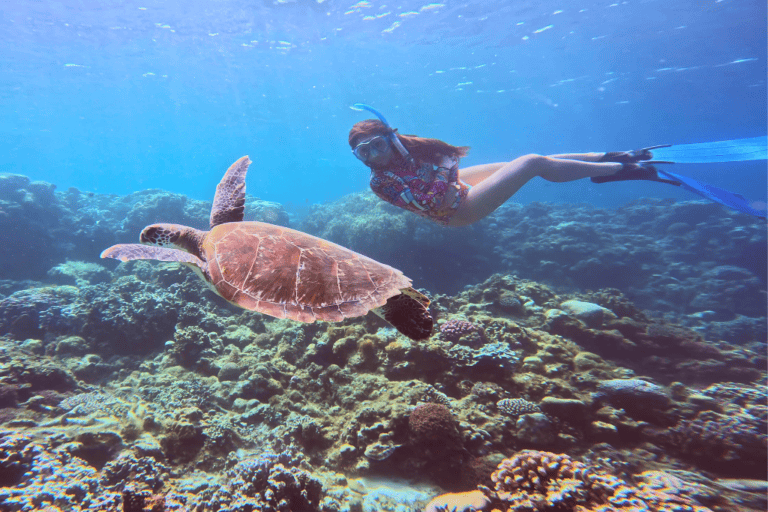
I saw large dusky groupers, barracuda, moray eels and beautiful red gorgonians. There are sites suitable for different experience levels, although the depth, current and any overhead environment should determine which dives you book.
When you’re not diving, there are beaches such as Rena Bianca, restaurants around the town centre and lovely places to walk. I also enjoyed the open-air cinema. For more land-based ideas, have a look at my things to do in Santa Teresa di Gallura guide.


Santa Teresa di Gallura Dive Sites at a Glance
These are some of the sites you can ask local dive centres about. The depths below are approximate and depend on the route chosen; check the planned maximum depth and conditions with your guide.
| Dive site | Approximate depth | Level and main appeal | Area |
|---|---|---|---|
| Angelika wreck | Around 18–20 m for the main wreck sections | Certified divers; split cargo wreck and marine life. Penetration requires specific training | Punta Marmorata, near Santa Teresa |
| Sifone Cave / Sifone area | About 18–25 m on my dives, from memory | Cave and air chamber on my earlier visit; nearby 2026 routes included swim-throughs | Capo Testa–Punta Falcone MPA |
| Munichedda / Secca di Munichedda | About 18–25 m on my dives, from memory | Rocky formations, nudibranchs, groupers and gorgonians | Capo Testa–Punta Falcone MPA |
| Monte Regalo | Roughly 15–35 m, depending on route | Granite formations, gorgonians; deeper options for qualified divers | Local northern Sardinia dive area |
| Il Sigaro | Around 15–20 m in published site descriptions | Granite formations and reef life | Lavezzi, Corsica |
| Città delle Cernie (Mérouville) | Around 24 m in published descriptions | Large groupers around granite boulders | Lavezzi, Corsica |
PRO TIP: Tell the dive centre your certification, recent dive experience and preferred maximum depth before choosing sites. A sheltered beginner dive and a cave or wreck penetration are very different outings.
Recommended Dive Center: Blu Dive Center
I dived with Blu Dive Center, run by Serenella and Freddy, during both visits. I found the team welcoming and well organised, with clear briefings and boat dives that were enjoyable from start to finish.


They arrange guided recreational dives and courses, and also offer technical diving for suitably qualified divers. Their published destinations include the Capo Testa–Punta Falcone marine protected area, La Maddalena and Lavezzi, depending on conditions and arrangements.
The centre is at Via Nazionale 73, Santa Teresa Gallura. Blu Dive Center is also listed by La Maddalena National Park among its authorised diving centres; check with the centre which permits and park fees apply to your trip.


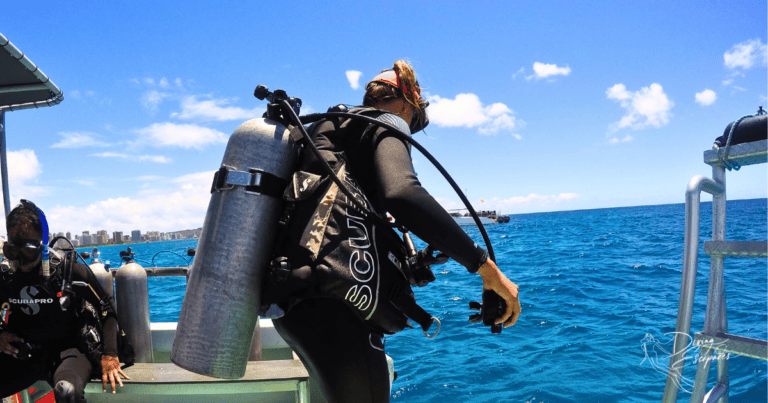
One thing I really appreciated was the lift on the dive boat. Instead of climbing a ladder with your gear after the dive, you can use the mechanical lift to get back on board. I’d never used one before, and it was a very welcome surprise!


How Much Does Diving Cost in Santa Teresa di Gallura?
I paid approximately €50 per boat dive, with the tank and weights included. I brought my own BCD, regulator, wetsuit and other equipment. Nitrox cost extra.
That’s what I paid on my visits, not a guaranteed current rate. Ask the centre for its latest price, equipment-rental charges, Nitrox supplement, any marine-park fees and whether the boat trip is a single or double dive day.
Diving Rules in the Capo Testa–Punta Falcone Marine Protected Area
The Capo Testa–Punta Falcone marine protected area was established in 2018. Diving and boat access are regulated by zones, and guided dives must follow the area’s authorisation rules.
Book with a dive operator that knows the applicable zones and permissions. Avoid touching or collecting anything, keep your fins clear of the bottom and be especially careful around seagrass and other fragile habitats. I share more practical habits in my sustainable diving guide.
Best Dive Sites in Santa Teresa di Gallura
These are the dive areas I can describe from my own trips. I revisited the Sifone and Secca di Munichedda areas in 2026, although the exact routes may have differed from my 2024 dives. I haven’t listed the profiles from my dive computer, so use the depths below as rough context rather than a dive plan.
1. Angelika Wreck


The Angelika wreck was one of my favourite dives here. It’s a Greek cargo ship of roughly 70 metres that ran aground near Punta Marmorata during stormy weather in 1982, then broke into two main sections. Dive descriptions generally put the wreck’s principal sections at about 18–20 metres, though individual profiles and nearby seabed depths vary.
I still remember descending and gradually seeing the wreck appear ahead of us. We explored around both main sections, which made the dive especially interesting. The stern area is known for its engine and large propeller, although what you can inspect depends on the route and conditions.

We saw big dusky groupers, moray eels tucked around the structure and a small school of barracuda between the sections. I also remember looking into parts of the wreck with our torches.

Safety note: Wreck exteriors and wreck penetration are not the same thing. Rusted metal can be sharp and structures can be unstable. Don’t enter a wreck unless you have the appropriate training, equipment, conditions and a properly planned dive. Follow your guide’s briefing and remain within your certification limits.
2. Sifone Cave

Sifone Cave, near Capo Testa, is quite different from the wreck dive. On my earlier visit, we followed rocky formations where I saw groupers, scorpionfish and nudibranchs before approaching the cave entrance. I returned to the Sifone area in 2026 for another dive, with plenty of rocky swim-throughs in the area.
From what I remember, our dive was somewhere around 18–25 metres, but I can’t confirm the exact maximum depth without the log. What stayed with me most was entering through the opening and surfacing in the chamber inside the cave.


Looking up at the rock formations inside was a memorable part of the dive. The light coming in from the entrance made it easier to appreciate the shape of the chamber.


This is an overhead-environment dive, so don’t treat it as an ordinary beginner dive or assume you can enter simply because the entrance looks wide. Ask the operator about its exact route, exit procedures, minimum certification and any specialist training required. Stay with the guide and don’t enter beyond your training and equipment limits.
3. Munichedda

Munichedda was a lovely contrast to the cave and wreck. The underwater landscape has granite boulders, rocky ledges and places where smaller marine life can hide. I also dived at Secca di Munichedda on my September 2026 return. Across those two dives in the protected area, the impressive groupers and yellow corals were among the highlights.
I saw juvenile barracuda, groupers and several nudibranch species, including Peltodoris atromaculata. I especially liked the red gorgonians along the rocky sections.


I recall depths of roughly 18–25 metres for these dives, but the centre should confirm the depth and route for your particular group. If you like underwater photography, take your time around the ledges. There’s plenty to notice without rushing.
Other Dive Areas: Lavezzi and La Maddalena
Santa Teresa is also a useful departure point for diving beyond the local coastline. These are options to ask a dive centre about, rather than sites I am reviewing from a personal scuba dive.
Lavezzi Archipelago, Corsica
Across the Strait of Bonifacio, the Lavezzi islands are known for clear water, granite boulders and large groupers. Published descriptions of Città delle Cernie (Mérouville) put that dive at around 24 metres, while Il Sigaro is described as roughly 15–20 metres. The exact site and depth should be matched to your certification and conditions.
I visited Lavezzi in September 2026 for swimming and snorkelling, and thought it was beautiful. That’s separate from the scuba diving options described here. Ask your operator about cross-border trips, protected-area requirements, boat journey times and whether a Lavezzi departure is available during your stay.
La Maddalena Archipelago, Sardinia
La Maddalena has granite reefs and protected waters with dive options around its islands. Some local centres, including Blu Dive Center, advertise diving in the national park. I haven’t dived there, so I would check directly with an authorised operator for the best sites, permits, likely depths and boat arrangements.
Monte Regalo is another regional site mentioned in northern Sardinia dive descriptions, with routes reported from about 15 to 35 metres. It’s worth asking about if you enjoy rocky formations and gorgonians, but it wasn’t one of my dives.
Best Time to Dive in Santa Teresa di Gallura
The main operating season is generally May to October, although exact opening dates and trips depend on the dive centre and weather. July and August tend to be busier, while I enjoyed diving in late August and September on my visits.
I wore a 5 mm wetsuit and remember water temperatures of roughly 24°C with very good visibility. That’s my experience rather than a promise for every September dive.
For planning, expect the water to be cooler in spring and warmer in late summer. It may be around the high teens to low 20s °C early in the season, rising to the low-to-mid 20s °C later in summer, but conditions can vary with depth and thermoclines. Choose your wetsuit based on current local temperatures and how easily you get cold.
The Strait of Bonifacio can be windy. I haven’t had dives cancelled here, but poor wind or sea conditions can affect boat departures or change the planned dive sites.
PRO TIP: Leave some flexibility in your schedule if you’re diving for several days. A dive centre may change sites based on wind or current, even when the weather looks good from the beach.
Where To Stay In Santa Teresa di Gallura
Here’s a quick breakdown of awesome places to stay—whether you’re saving or splurging.
Budget Option:
📍 Casa Brì Boutique Rooms – Stylish, spacious, and just 5 minutes from Rena Bianca Beach. Clean rooms, great showers, self-check-in, free WiFi, and even gluten-free breakfast. Easy, breezy, budget-friendly.
Check prices and book your stay at Casa Brì Boutique Rooms here.
Mid-Range Options:
📍 B&B La Torre Elite – Right by the beach with sunset views you’ll want to bottle. Aircon rooms, private entrances, WiFi, and parking.
Check prices and book your stay at B&B La Torre Elite here.
📍 Casa Le Vele by Holiday World – Great for families or groups. Two bedrooms, a full kitchen, balcony views, free parking. Homey and close to the beach.
Check prices and book your stay at Casa Le Vele by Holiday World here.
Luxury Option:
📍 Villa Bianca Luxury B&B Experience – An absolute seaside retreat perfect for you if you’re a couple or beach lover. Located just 2 minutes from Rena Bianca Beach, Villa Bianca offers luxury accommodations with stunning sea views, making it ideal for your relaxing coastal getaway.
Check prices and book your stay at Villa Bianca Luxury B&B Experience here.
How to Get to Santa Teresa di Gallura
From Olbia: Olbia Costa Smeralda Airport is the most convenient arrival point for many visitors. Allow roughly one to one-and-a-half hours by car, depending on traffic and your exact starting point. Having a car makes it easier to explore the beaches, but you can ask Blu Dive Center about its transfer and shuttle arrangements if you’re staying locally.
From mainland Italy: Ferries connect ports including Livorno, Genoa and Civitavecchia with Olbia-area ports on various schedules. Check the port and timetable when you book, then continue north by road.
From Corsica: Moby’s Santa Teresa–Bonifacio ferry usually takes about 50 minutes. Sailings vary seasonally, so confirm the departure times for your dates.
If you’re arriving with your own gear, check where you can park near your accommodation and whether the dive centre offers gear storage between boat days. My travel planning tips can also help with the rest of your trip.
FAQs About Diving in Santa Teresa di Gallura
Is scuba diving good in Sardinia?
Yes. Around Santa Teresa, there’s a good mix of granite reefs, marine life, wrecks and more specialised dives. For a wider overview, read my scuba diving in Italy guide.

What marine species can you see in Santa Teresa di Gallura?
I saw dusky groupers, barracuda, moray eels, scorpionfish and nudibranchs, plus red gorgonians and yellow corals. The huge groupers on my 2026 dives were particularly memorable. Wildlife sightings always vary.
When is the best time to dive in Sardinia?
For northern Sardinia, May to October is the main season to check. Late summer offers warmer water, while May, June and September can be good options if you prefer fewer crowds.
Can beginners dive in Santa Teresa di Gallura?
Yes, there are guided dives and training options for beginners, but not every site is suitable. Tell the centre your certification and experience so it can suggest an appropriate depth and route.
Do you need Advanced Open Water for the Angelika wreck?
Not necessarily for every exterior route. Some operators describe the main wreck at around 18 metres and may accept Open Water divers under suitable conditions. Deeper routes or any wreck penetration call for different training and equipment. Check the planned profile with your dive centre before booking.
Can you dive at Lavezzi from Santa Teresa di Gallura?
Some operators offer Lavezzi trips from northern Sardinia, subject to weather, permission and scheduling. Ask about the specific site, qualification requirements and any park charges.
How much does a dive cost in Santa Teresa di Gallura?
I paid around €50 per boat dive with tank and weights included, using my own equipment. Nitrox was extra. Confirm current rates and any marine park or rental fees directly with the operator.
What wetsuit do you need for Santa Teresa di Gallura?
I used a 5 mm wetsuit in late summer, when I recall water at about 24°C. If you’re travelling in spring, feel the cold easily or plan deeper or repeated dives, ask the operator whether a thicker suit or extra exposure protection would suit you better.
The Wrap Up: Diving in Santa Teresa di Gallura
I’d happily dive in Santa Teresa di Gallura again. The Angelika wreck, the cave at Sifone, and my return dives around Sifone and Secca di Munichedda gave me plenty of variety. I especially enjoyed the swim-throughs and seeing those huge groupers in 2026, and I appreciated how well Blu Dive Center looked after us.
It’s also an easy place to combine diving with beaches and evenings in town. For more Sardinia ideas, see is Sardinia worth visiting? or my wider Italy diving guide.
And yes, I’d happily use that dive-boat lift again. It’s a small detail, but it makes getting back on board much easier after a dive!
Safe travels!