Scuba Diving Italy: My Favourite Sites, What to Expect and When to Go
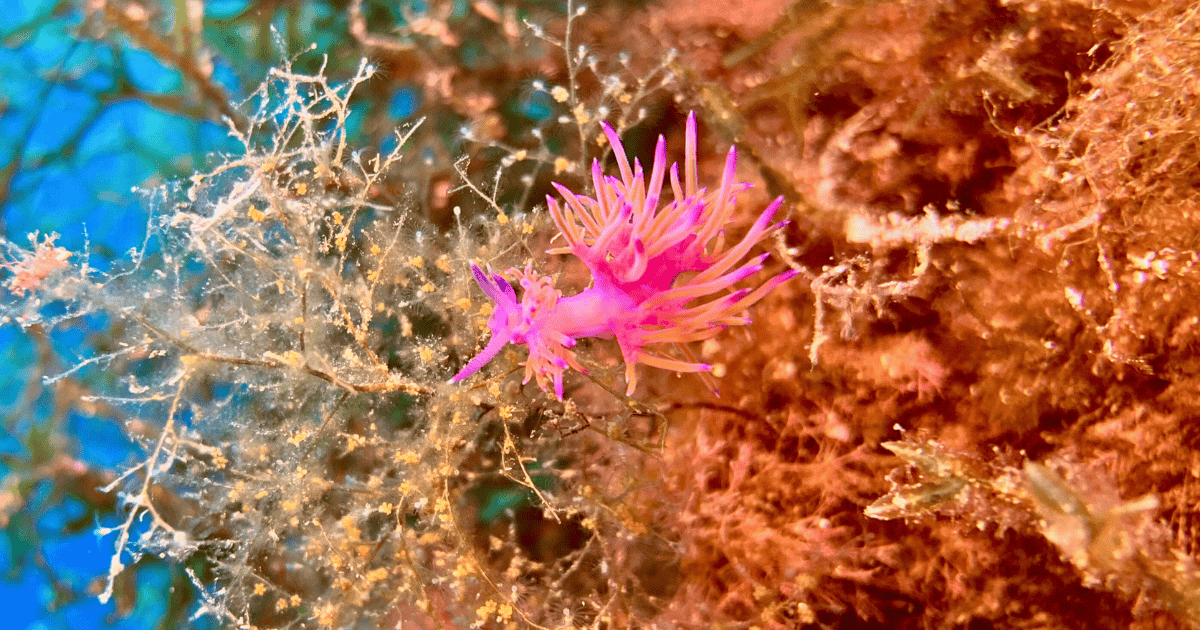

Scuba diving in Italy has been one of my favourite ways to explore the country since 2014. I’ve dived from Liguria to Sicily, spent four summers diving around Elba Island, and explored beautiful reefs and wrecks. And honestly, Italy has some fantastic dive sites that deserve more attention!
There’s a lot to discover here, from giant groupers and colourful red gorgonian corals to shipwrecks and underwater statues. But knowing where to dive, when to go and what to expect can make a big difference to your experience.
In this guide, I’ll share my favourite dive spots in Italy, what the diving conditions are like, the best time to visit and how much you can expect to spend, all based on my personal diving experiences and practical research. Let’s dive in!
Planning a diving trip to Sardinia?
I’ve put together a FREE Sardinia Diving Guide with practical tips on diving around Santa Teresa di Gallura, including dive sites, where to stay, dive operators and things to know before your trip.
Based on my own diving experience in Sardinia, it’s a handy guide to help you plan your trip without spending hours researching!
Get your FREE Sardinia Diving Guide →
Scuba Diving Italy: Best Sites at a Glance
I’ve been diving in different parts of Italy since 2014, and some places have been so good that I’ve returned several times, especially Elba Island! I’ve had some really memorable dives over the years, and there are still plenty of sites I’d love to explore.
I’ve put together a list of my favourite dive sites in Italy in the table below, all places I’ve personally dived. Hopefully, this will help you decide where to go on your next diving holiday!
| Dive site | Region | Typical Depth / Site Range | Best for | Access note |
|---|---|---|---|---|
| Christ of the Abyss | San Fruttuoso, Portofino, Liguria | Statue around 13–17 m | Beginners and underwater statue photography | In San Fruttuoso Bay, near the Portofino Marine Protected Area boundary. Arrange through a local dive centre. |
| Angelika wreck | Santa Teresa di Gallura, northern Sardinia | 5–18 m | Recreational wreck diving | Boat dive near Punta Marmorata. Wreck penetration requires appropriate training. |
| Pianosa Island | Tuscan Archipelago, Tuscany | Varies by site, with some walls reaching 40 m or deeper | Experienced divers and giant groupers | Book through a park-authorised dive centre. Guided dives and restricted access apply. |
| Madonna statue (Scoglio della Triglia) | Marina di Campo, Elba, Tuscany | Statue around 15 m; site extends to around 30 m | Beginners, statue photography and rocky reefs | Short boat dive from Marina di Campo. |
| Red gorgonian walls (Calafuria area) | Livorno, Tuscany | Approximately 20–40 m | Experienced divers, wall dives and Mediterranean marine life | Site-dependent shore or boat access. Confirm depth and conditions with a local operator. |
| Villasimius (Capo Carbonara) | Southern Sardinia | Varies by site, from shallow reefs to around 40 m | Clear-water rocky reefs, groupers and barracuda | Protected marine area with regulated diving. Book with an authorised local operator. |
| San Vito Lo Capo | Western Sicily | Varies by site, approximately 10–40 m or deeper | Rocky reefs, walls and combining diving with a beach holiday | Choose the dive site according to your certification and sea conditions. |
Please note that these are indicative site depths, not recommended depths for every diver. Actual dive profiles depend on the route, conditions and certification.
Italy has a thriving diving community. In fact, a 2026 peer-reviewed study estimated that there are around 300,000–500,000 certified divers in Italy, with approximately 50,000 diving regularly.
If you’re visiting during the busy summer months, especially August, I’d recommend booking your dives in advance.
PRO TIP: Always check the planned dive site and maximum depth with your dive centre before booking, especially if you’re a newly certified diver. Some of Italy’s most beautiful sites are deeper dives or have restricted access.
How Protected Areas Affect Your Dive Plans

Some of my favourite dives in Italy have been inside marine protected areas, particularly around Pianosa and Sardinia. And if you’re planning to dive in one of these places, there are a few things worth knowing before you book.
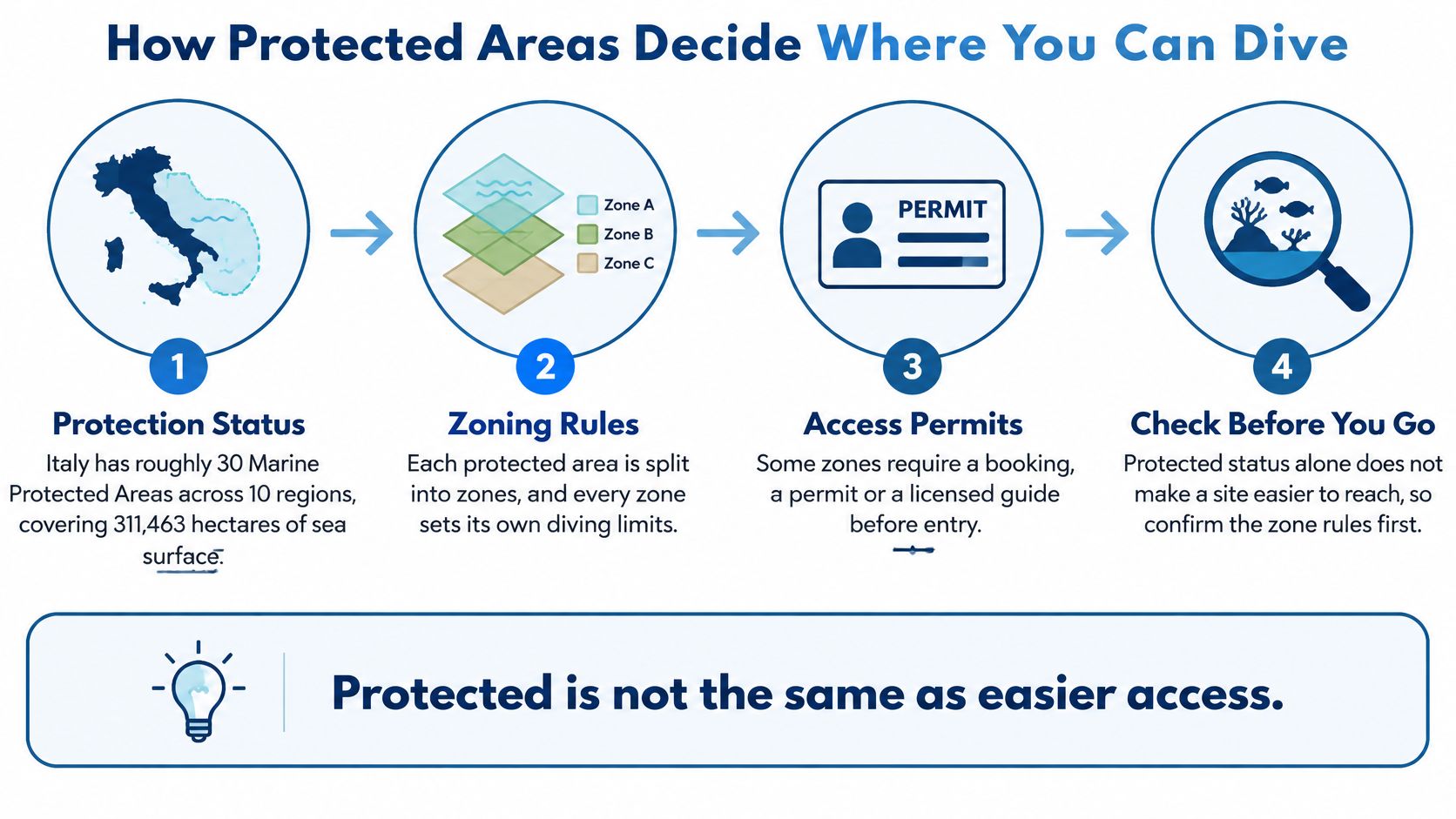
Italy has 30 designated Marine Protected Areas, according to its national environmental indicators. But being a protected area doesn’t necessarily mean diving is allowed everywhere within it.
Each marine park has its own rules, and some sites are only accessible with authorised dive operators.
Check the rules before booking
Marine protected areas are often divided into zones, with different restrictions depending on how sensitive the environment is.
For example, some zones prohibit recreational diving entirely, while others allow it under specific conditions. In places like Pianosa, you can only dive at designated sites with authorised operators.
Personally, I think these restrictions are a good thing. After all, we want these beautiful dive sites to stay healthy for future divers to enjoy!
But it does mean you need to plan ahead, especially if there’s a particular site you really want to visit.
Check the rules for the park you actually plan to visit rather than assuming those labels work identically everywhere.
Be mindful of your buoyancy
One thing I always try to be careful about when diving is maintaining good buoyancy, especially around fragile corals and gorgonians.
It’s easy to get distracted when you spot something interesting, particularly if you’re taking underwater photos. But even accidentally brushing against the reef can cause damage.
Research conducted at Secche di Tor Paterno near Rome has documented contact between divers and the seabed, including some interactions that caused observable damage.
It’s a good reminder to check your camera settings, maintain your buoyancy and avoid getting too close to marine life.
I share more practical advice in my sustainable diving practices guide.
PRO TIP: If you’re planning to dive inside a marine protected area, ask your dive centre whether they have authorisation to access your preferred site. Some dives also have limited spaces, so book ahead.
Where to Dive in Liguria and Tuscany
Liguria and Tuscany are two regions where I’ve enjoyed some really good diving over the years.
Liguria is a great choice if you want to combine diving with a visit to Portofino or Cinque Terre. But if you have more time, I’d recommend spending a few days on Elba Island. I’ve returned there for four different summers, and I still haven’t explored everything!
Portofino and the Christ of the Abyss

One of my most memorable dives in Liguria was visiting the Christ of the Abyss (Il Cristo degli Abissi), the famous underwater bronze statue near San Fruttuoso.
The statue was created by Guido Galletti and placed underwater in 1954. It stands at approximately 13–17 metres, making it accessible to many recreational divers when conditions are suitable.
I remember being really excited to see the original statue underwater. It’s one of those famous dive sites I’d seen in photos, and finally getting to dive there was quite special.
The Portofino area also has some fantastic rocky reefs and walls, so there’s more to explore beyond the statue itself.
If you’re visiting during summer, I’d suggest arranging your dives in advance. The area is popular with divers, and I wouldn’t leave booking until the last minute.
Livorno and Elba Island
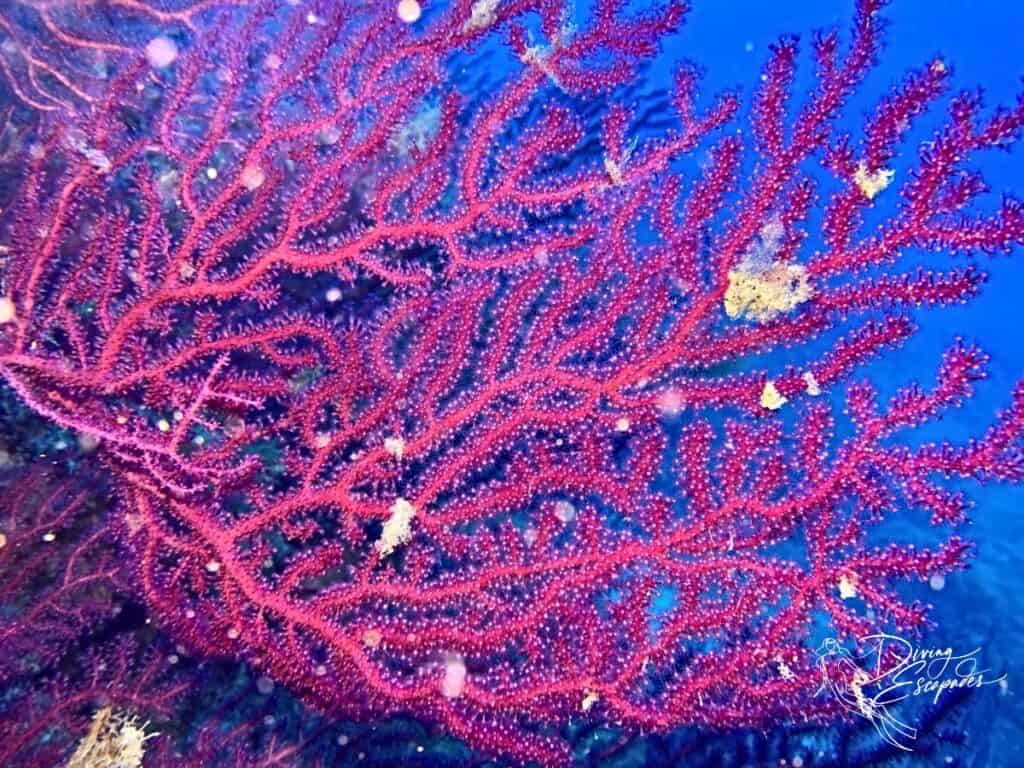
I also really enjoyed diving off Livorno in Tuscany, particularly the beautiful red gorgonian corals.
These are some of the underwater sights that make Mediterranean diving special for me. The gorgonians can be impressive, especially when you see entire sections of a rocky wall covered with them.
However, many of these sites are deeper dives, so make sure you’re comfortable with the planned depth and have the appropriate certification.
Elba Island is another favourite of mine, and one I’ve returned to several times.

There are plenty of dive sites around the island, including the Madonna statue near Marina di Campo, which sits at approximately 15 metres.
I also completed my SSI Night Diving and Limited Visibility Specialty on Elba in September 2019, followed by my SSI Deep Diving Specialty in September 2021.
Those courses gave me the opportunity to experience different diving conditions and explore sites I wouldn’t otherwise have visited.
And honestly, Elba is just a lovely place for a summer holiday. You can dive in the morning, spend the afternoon at the beach and enjoy a good Italian dinner in the evening. What’s not to like?
You can read more about the dive sites and practical tips in my Elba diving guide.
PRO TIP: If you’re travelling with family or friends who don’t dive, Elba is a great option. There are plenty of beaches, coastal towns and activities to enjoy while you’re out diving.
Sardinia and Sicily: Wrecks, Reefs and Beach Days

I’ve dived in both northern and southern Sardinia, as well as San Vito Lo Capo in Sicily. They’re all worth visiting, but if I had to choose somewhere for beautiful beaches and clear water, Sardinia would be high on my list.
I particularly love that you can combine diving with exploring the coastline. Even the boat rides to the dive sites can be really enjoyable!
The Angelika wreck in northern Sardinia

One dive that genuinely surprised me was the Angelika wreck near Santa Teresa di Gallura in northern Sardinia.
I wasn’t expecting much before the dive, but it turned out to be one of my favourites during that trip!
The wreck lies near Punta Marmorata, at a depth of approximately 5–18 metres. It’s relatively shallow compared with many other wreck dives, although the route and conditions still need to suit your experience.
What I enjoyed most was seeing how well-preserved parts of the wreck were. There was plenty to look at, and I really enjoyed taking my time exploring its exterior.
If you’re planning to dive around Santa Teresa di Gallura, I’d definitely ask your dive centre about this site.
I’ve shared more of my experiences and recommendations in my Santa Teresa Gallura diving guide.
Northern or Southern Sardinia, or Sicily?

I’ve visited and dived in all three areas, and I’d happily return to any of them.
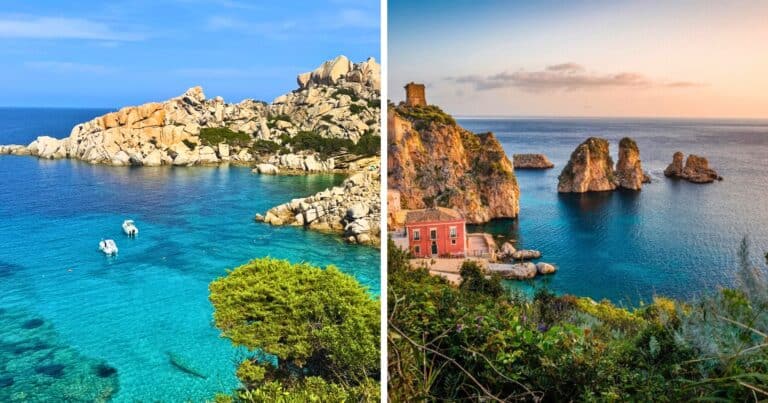
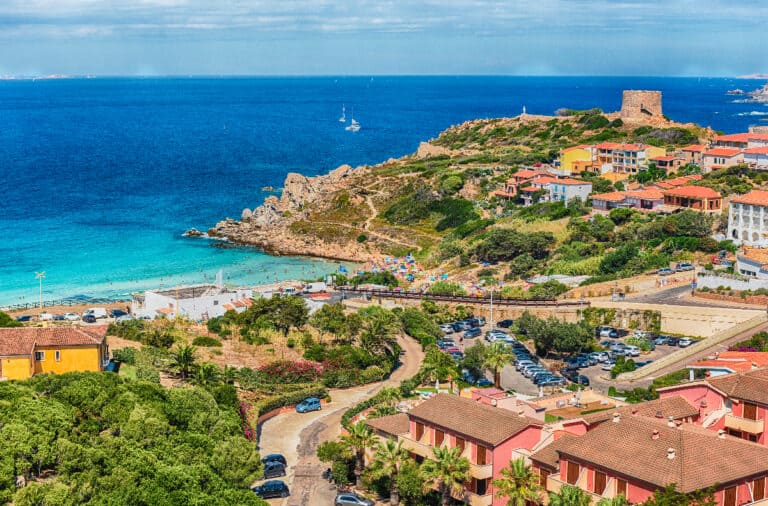
Northern Sardinia: Santa Teresa di Gallura is a lovely base, especially if you want to explore the reefs and wrecks around Capo Testa and Punta Marmorata. The coastline is beautiful, and Rena Bianca Beach is right in town.
Southern Sardinia: Villasimius is another fantastic option. I dived in the Capo Carbonara Marine Protected Area, where you’ll find rocky reefs and some beautiful underwater scenery. The beaches around Villasimius are stunning too.
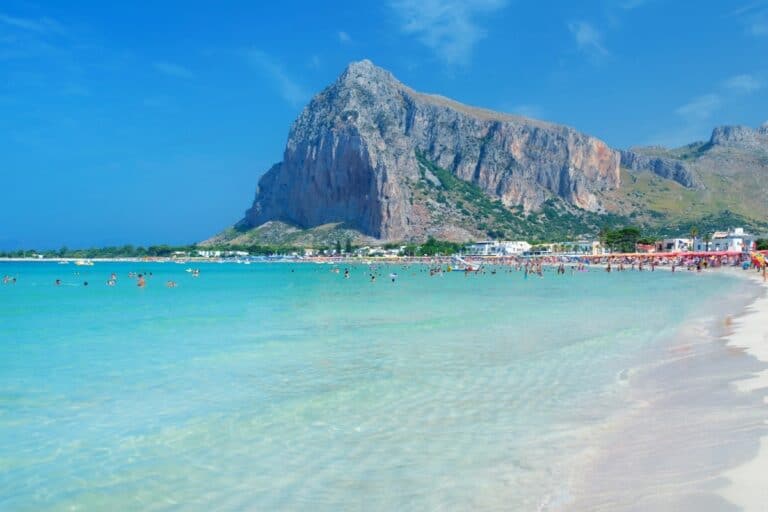
Sicily: If you’re looking for somewhere to combine diving with a relaxed beach holiday, San Vito Lo Capo is worth considering. I enjoyed my time there, and it’s also a lovely destination if you’re travelling with family.
Personally, I’d give yourself at least a few days in whichever area you choose. There is so much to see above water that it would be a shame to spend your entire holiday rushing between destinations.
PRO TIP: If you’re visiting Sardinia in July or August, book your accommodation and dives early. It’s a popular summer destination, and prices and availability can change quite a bit during peak season.
Pianosa: A Dive You Need to Plan Ahead

If there’s one dive site in Tuscany that really surprised me, it’s Pianosa Island.
I dived there during one of my visits to Elba, and I still remember seeing those enormous groupers underwater. There were so many of them, and some were impressively large!
Pianosa is part of the Tuscan Archipelago National Park, and diving is strictly regulated to protect its marine environment.
I think that’s part of what makes the experience so special. You’re visiting an area where access is limited, and the marine life really is worth seeing.
What you need to know about diving in Pianosa
Unlike other dive sites around Elba, Pianosa isn’t somewhere you can simply turn up and dive whenever you like.
The national park has specific rules for recreational diving, including designated mooring buoys, authorised dive operators and limits on the number of divers allowed at a time.
The park also doesn’t permit divers holding only a first-level certification to participate in these dives.
Depending on the site, you’ll need the appropriate certification and experience, particularly for deeper dive profiles.
Before booking, I’d recommend checking with your dive centre about the available sites, certification requirements and whether they have confirmed access for your preferred date.

My advice for planning a Pianosa dive
If Pianosa is one of the main reasons you’re visiting Elba, I’d arrange this dive first before planning the rest of your itinerary.
You may have fewer available dates compared with regular dives around Elba, and trips can also depend on sea conditions.
Personally, I think it’s worth making the effort. Seeing those giant groupers in their natural environment was one of my most memorable diving experiences in Italy.
PRO TIP: Try to keep your itinerary flexible if Pianosa is a priority. Ask your dive centre whether there’s an alternative departure date in case your original trip is cancelled because of weather.
Best Time to Scuba Dive in Italy and What to Wear

If you’re planning a scuba diving trip to Italy, I’d recommend summer, particularly July to September, if you prefer warmer water.
I’ve done most of my diving in Italy during the summer months, and I normally find a 5 mm wetsuit comfortable. But remember, the Mediterranean is not the Philippines! Even when it’s hot and sunny above water, it can be surprisingly cold at depth.
The water temperature also depends on where you’re diving, how deep you go and the time of year.
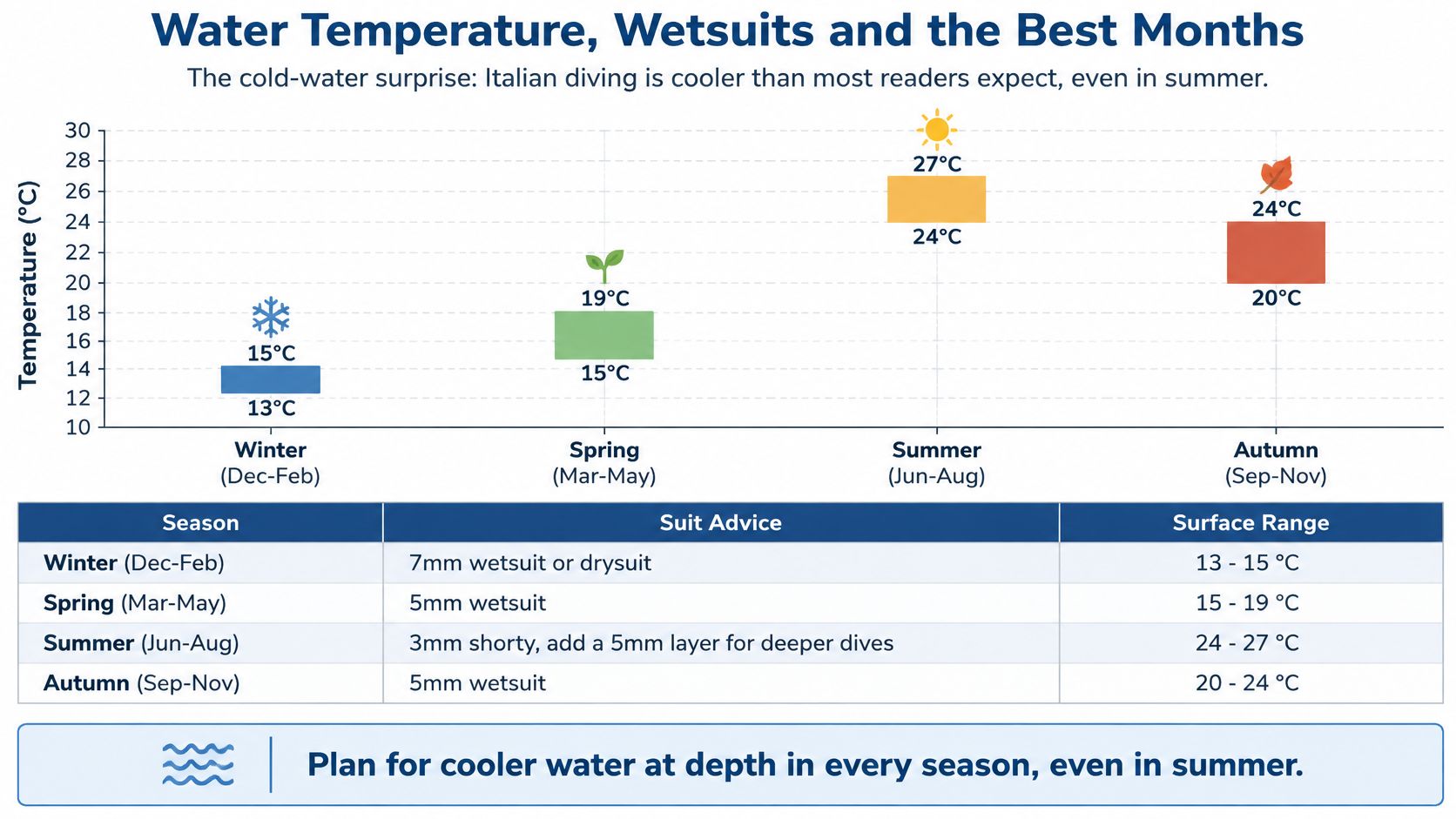
| Season | What to expect | Suit starting point | Booking note |
|---|---|---|---|
| Spring (April-June) | Cooler water; check recent surface and depth readings | 7 mm or drysuit, plus a hood | Confirm that your preferred operator is running trips |
| Summer (July-August) | Warmest surface water, with cooler conditions possible at depth | 5 mm for me; adjust for your cold tolerance | Book popular boats early |
| Autumn (September-October) | Warmth may linger, but conditions vary | 7 mm or drysuit, plus a hood | Ask for current temperatures before packing |
| Winter (November-March) | Cold water and fewer available dive days | Drysuit | Confirm operator schedules and conditions |
For me, a 5 mm wetsuit is usually enough in July and August. But if you’re diving in spring or autumn, I’d consider a 7 mm wetsuit or a drysuit, depending on the conditions and how easily you get cold.
A hood is also worth having during the cooler months.
And don’t forget about the second dive of the day! You might feel perfectly comfortable during your first dive, but it can be a different story when you’re putting on a damp wetsuit for the second one.
If you’re unsure about exposure protection, my guide to what to wear under a wetsuit has some practical tips.
Watch for warm water and stressed reefs
One thing worth mentioning is that warmer water isn’t necessarily good news for marine life.
According to the 2025 Copernicus Ocean State Report, the Mediterranean has experienced extensive marine heatwaves in recent years, with 2025 recorded as its second-warmest year.
These unusually high temperatures can put stress on marine ecosystems, including some of the beautiful gorgonian corals we see while diving.
As divers, we can’t control the water temperature, but we can certainly do our part by keeping our distance from fragile marine life and avoiding unnecessary contact with the reef.
If cooler dives are new to you, the practical cold water survival tips are worth reading before you decide to pack the thinnest suit you own. Being cold is a poor way to spend a paid boat trip.
PRO TIP: If you’re not sure whether your wetsuit will be warm enough, ask your dive centre about recent water temperatures at depth. Many centres also rent thicker wetsuits, so you might not need to buy a new one just for the trip.
Scuba Diving Italy Costs and Booking Tips
How much does scuba diving in Italy cost? Well, that depends on where you’re going, which dive centre you choose and whether you need to rent equipment.
I’ve dived with several operators across Italy over the years, and prices can vary quite a bit.
Some centres offer packages for multiple dives, while others charge separately for equipment rental, boat trips or access to certain protected sites.
That’s why I’d recommend checking what’s included before comparing prices.
| Cost item | What to check before budgeting |
|---|---|
| Guided boat dives | Boat, guide, tank, weights, lunch and any site-access fees |
| Pianosa visit | Park reservation, authorised guide, buoy access and cancellation terms |
| Equipment rental | Whether the quoted kit includes a suitable wetsuit or drysuit and hood |
| Courses and specialties | Training, materials, required dives and entry requirements |
| Accommodation | Distance from the departure point and the cost of peak summer dates |
| Meals and other holiday plans | Boat lunches, restaurants and activities on non-diving days |
What to ask before booking your dives
I normally arrange my dives in advance, especially when travelling during the summer holidays.
Before booking, I’d suggest confirming the total price, including the boat, tanks, weights, guide and any equipment you’ll need to rent.

It’s also worth asking which dive sites the centre plans to visit, their typical depths and whether there are any certification requirements.
Of course, the final dive plan can change depending on weather and sea conditions, so it’s always good to have some flexibility.
Personally, I also pay attention to how a dive centre communicates. I appreciate operators who answer questions clearly, provide proper briefings and don’t rush their divers.
And one more thing I always enjoy about diving in Italy is the food! I’ve had some lovely lunches after diving, and sometimes even food served on the boat. It’s a nice little bonus, although don’t assume every dive package includes lunch.
If you’re planning a longer holiday, my travel planning tips can also help you organise the rest of your trip.
If you are flying from the US east coast, you may be considering a northern Italy connection before travelling onward to your dive base. This guide to Venice flight layovers from Boston is one way to think through the transit, but leave enough time between travel and diving rather than building the whole week around a tight connection.
PRO TIP: If you’re planning several dives, ask whether the dive centre offers a multi-dive package. Just make sure you compare the total price, including rental equipment and any additional fees.
Scuba Diving Italy FAQs
These are the questions I would settle before booking flights or paying a dive centre. A quick answer now can save a frustrating change of plans later.
Absolutely! There are dive sites suitable for newly certified Open Water divers, including some relatively shallow reef and statue dives.
Just make sure you choose sites within your certification limits and comfort level. Some sites, particularly deeper walls and protected areas such as Pianosa, have additional experience or certification requirements.
It depends on the marine park and the specific dive site. Some areas allow recreational diving with authorised operators, while others have stricter access rules.
I’d recommend arranging these dives through a local dive centre familiar with the regulations.
August is a popular month because of the warmer weather and summer holidays, but it’s also one of the busiest times of year in Italy.
Personally, I’d also consider June, July or September if your schedule allows. You may find fewer crowds, although diving conditions and water temperatures can vary.
For me, a 5 mm wetsuit is generally comfortable during the summer months, especially in July and August.
However, if you’re planning deeper dives or visiting during spring or autumn, you might prefer a 7 mm wetsuit or drysuit. Always check the expected water temperature at your planned depth.
Prices vary depending on the region, dive centre and type of dive.
I’d recommend requesting a quote that includes boat fees, tanks, weights, guides, rental equipment and any marine park access fees.
If you’re planning several dives, ask about package rates before booking
The Wrap Up: Scuba Diving Italy
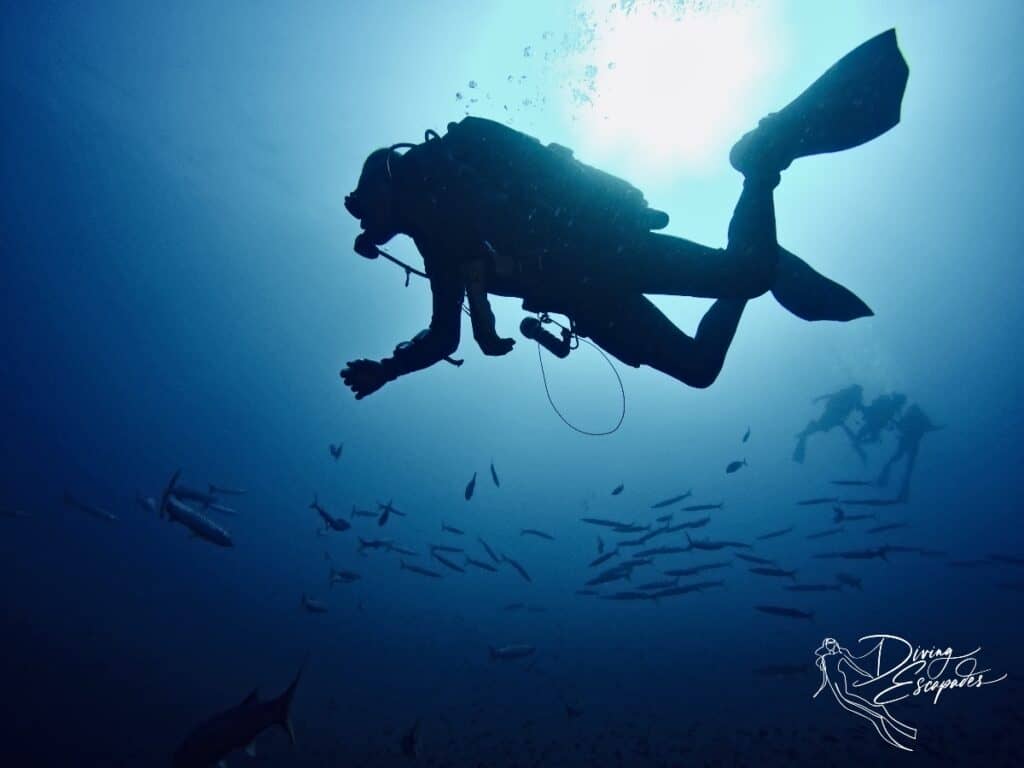
After diving around Italy for more than a decade, I can honestly say it’s a destination I never get tired of exploring.
If you’re planning a scuba diving trip to Italy, my advice is to choose a region that interests you and spend a few days exploring its dive sites. Check the diving conditions, book ahead during the busy summer months, and leave some time to enjoy what Italy has to offer above the water too.
And trust me, there’s nothing quite like finishing a great dive with a delicious Italian lunch and a beautiful sea view! Safe travels!