Dive Society Dauin’s Remarkable Coral Reef Conservation Approach and How You Can Be Part of It


The Dive Society Dauin reef conservation project was one of the more interesting initiatives I came across while diving in Dauin, Philippines. I experienced the dive centre’s service firsthand and spoke with Werner Steiner about how his team involved guests in building artificial reef structures near its house reef.
What I liked about the idea was that guests weren’t just hearing about marine conservation. They could take part in a hands-on activity and learn what happened to the structures after they went underwater.
This article shares what Werner told me about the original project, rather than promoting an activity you can book today.
Update (October 2026): Dive Society Dauin’s dive centre is now operated under Easy Diving Dauin, and Werner no longer runs it. The guest reef sponsorship activity described below was not running when I last checked in March 2026, and I haven’t confirmed whether it has since restarted. The prices and procedures in this interview are historical, not current offers. For the latest activities, please contact Easy Diving Dauin directly.
Engaging Guests in the Reef Conservation Project
If you’ve ever wondered what it takes to create an artificial reef, this is how Werner described the original guest programme at Dive Society Dauin.
Guests could sponsor specially designed, octagon-shaped concrete forms and help make them. The forms could be arranged in different configurations, with the intention of providing underwater surfaces and shelter for marine organisms.
Werner Steiner explains the process: “Guests can sponsor one of these concrete structures. They get a chance to mix the concrete and pour it into the molds. They can also personalize their structure by inscribing their names before the concrete sets. This allows for a personal connection to the reef they are helping to build.”
Werner explained that the team allowed the concrete structures to cure for around three weeks before placing them underwater. Guests who couldn’t stay that long could instead help place structures that had already been prepared. These were the arrangements he described at the time, not a service I’m saying is available now.


Placement and Personalization
For guests who wanted to get involved, placing the structures underwater was another part of the original experience.
Werner Steiner explains, “Our team assists in transporting the forms to the water, ensuring each piece is handled with care and precision. Guests then have the unique opportunity to choose where their sponsored reef will be placed, making this experience deeply personal and engaging.”
According to Werner, his team helped with the handling and placement of the structures, often choosing calmer conditions in the afternoon. The opportunity to see a structure go from a mould to the seabed was an appealing part of the project.
Of course, artificial reef placement needs careful site selection, environmental assessment and ongoing management. Simply putting concrete underwater doesn’t automatically mean a reef has been restored. That’s an important distinction whenever you’re considering a marine conservation activity.
Monitoring and Growth
If you’re interested in conservation projects, I think the follow-up is just as important as the installation itself.
Werner described a monitoring process that began once the structures were installed: “Immediately after installation, we begin our monitoring, photographing the newly placed concrete structures and continuing to observe their development at regular intervals, at least every three months,” Werner elaborates.
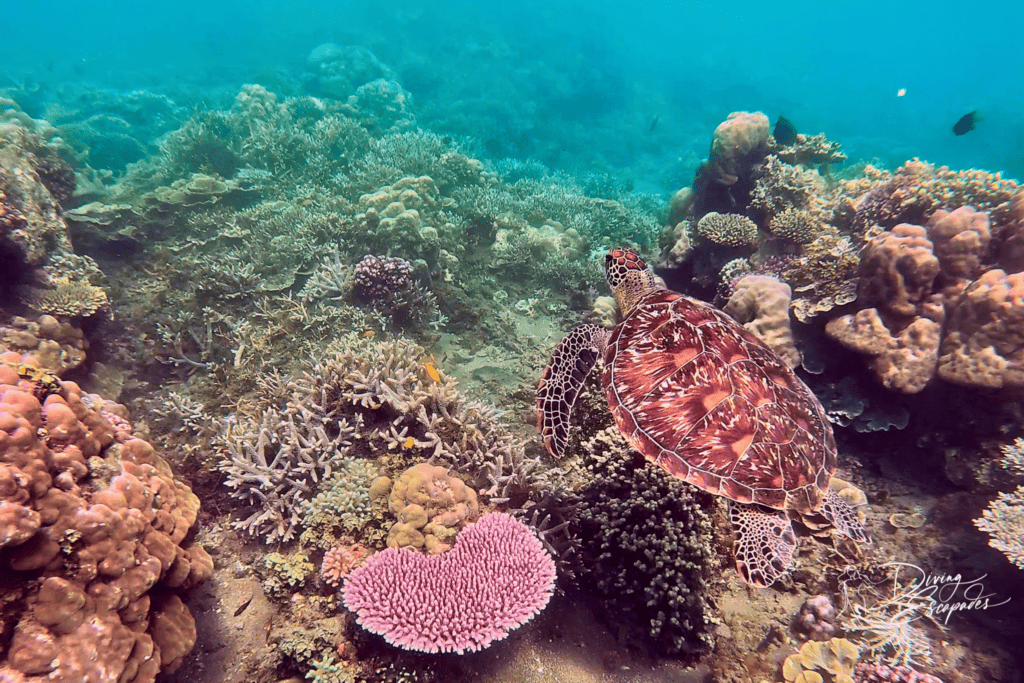
At first, these were bare concrete structures. The idea was that, over time, marine organisms could settle on them and use the habitat. How well an artificial reef works depends on its design, location, management and the surrounding ecosystem, so it’s worth distinguishing the team’s goals from independently measured outcomes.
Werner adds, “The full development of these reefs, transforming from inert concrete to bustling marine habitats, typically takes about one to three years. The end result is not just visually striking but also forms a life-sustaining habitat that contributes significantly to the local biodiversity.” Werner proudly shares these outcomes, underscoring the positive environmental impact of the project.
That one-to-three-year estimate was Werner’s description of the project, not a universal timeline or a separately verified finding about these particular structures. I haven’t independently reviewed monitoring results from the site.

Can You Still Join the Dive Society Dauin Reef Conservation Project?
If you’re planning a dive trip to Dauin now, this is the important part: please don’t use the original programme details as booking information.
When I published the original article, sponsorship was advertised at US$39 for a smaller form and US$49 for a larger one. Those are historical advertised prices, not prices I personally paid and not rates you should expect today.
The article also mentioned Dive Society’s dive-and-accommodation packages at Sea Dream Resort, its SSI training status and a twentieth-anniversary promotion. Those details belonged to the operation at the time; I’m not presenting them as current Easy Diving offers.
Easy Diving now operates the dive centre in Dauin. Its official Dauin dive centre page is the best place to ask about current diving options and whether any guest reef conservation activities are available. Although Easy Diving publicly discusses conservation, I can’t confirm that Werner’s original sponsor-and-place-a-reef programme has resumed or that it operates in the same way.
I experienced Werner’s team’s service firsthand and appreciated their professionalism and enthusiasm. I’m happy to keep this interview online as part of the centre’s history, while being clear that management and offerings have changed.
PRO TIP: If conservation is one of your reasons for choosing a dive operator, ask what activities guests can currently join, who oversees them, and how the results are monitored. That tells you much more than an old price list or programme description.
Frequently Asked Questions
If you’re curious about the project or planning a visit, here are the main things to know before contacting the dive centre.
Is Dive Society Dauin still operating under the same management?
No. The Dauin dive centre is now operated as Easy Diving Dauin. Werner Steiner is no longer running it, so the interview above describes the previous operation.
Can I still sponsor and place an artificial reef structure?
I can’t confirm that the original guest sponsorship activity is currently available. It was not running when I last checked in March 2026, but that may have changed. Contact Easy Diving Dauin before making plans.
Are the US$39 and US$49 prices still valid?
Those are the prices advertised for the original programme when I wrote the article. They are included for historical context only, not as current prices.
Do artificial reefs automatically restore damaged coral reefs?
No. They can provide habitat for marine organisms when appropriately planned and managed, but whether they help meet a conservation objective depends on the site, materials, design and monitoring. They aren’t a substitute for protecting healthy natural reefs or reducing the pressures damaging them.
The Wrap Up: Dive Society Dauin Reef Conservation Project
If you’re interested in marine conservation, I think Werner’s original project is still worth reading about. I enjoyed learning how his team tried to make guests part of the process, rather than simply asking them to admire the reef from a distance.
Werner Steiner puts it perfectly: “It’s important to remember that we should not only take from the ocean but also give something back.” That’s a message I still appreciate, even though the dive centre has changed hands and I can’t confirm the status of the original activity today.
If you’re visiting Dauin and would like to get involved in conservation, check directly with Easy Diving Dauin for its latest programmes. And whatever you do underwater, good buoyancy, giving marine life space and leaving the reef undisturbed are always worthwhile habits.
Bonus: Your Guide to Dauin – More Tips and Places to Explore
If you’re planning your own visit, these guides will help you decide what else to see and do around Dauin.
Want to learn more about Dauin? If you’re as captivated by Dauin’s underwater wonders as I am, you might enjoy Is Dauin, Philippines Worth Visiting? Best Places and Things To Do. It covers everything that makes this spot unique, from vibrant coral gardens to Dauin’s welcoming community.
And for those ready to plan their dive adventures, don’t miss the Dauin Diving Ultimate Guide: Tips & What You Need To Know—I’ve packed it with insights on dive sites, marine life, and all the essentials you’ll need for an unforgettable experience.
Disclosure: This article is based on my personal experiences, opinions and an interview with the dive operator, for which permission was granted to share on the Diving Escapades website. No compensation or incentives have been received for this article. Should there be any compensations or gifts in the future, they will be clearly disclosed in the respective post. I am dedicated to providing honest and unbiased insights to my readers.