Roatan Diving: Best Dive Sites, Costs & Cruise Tips
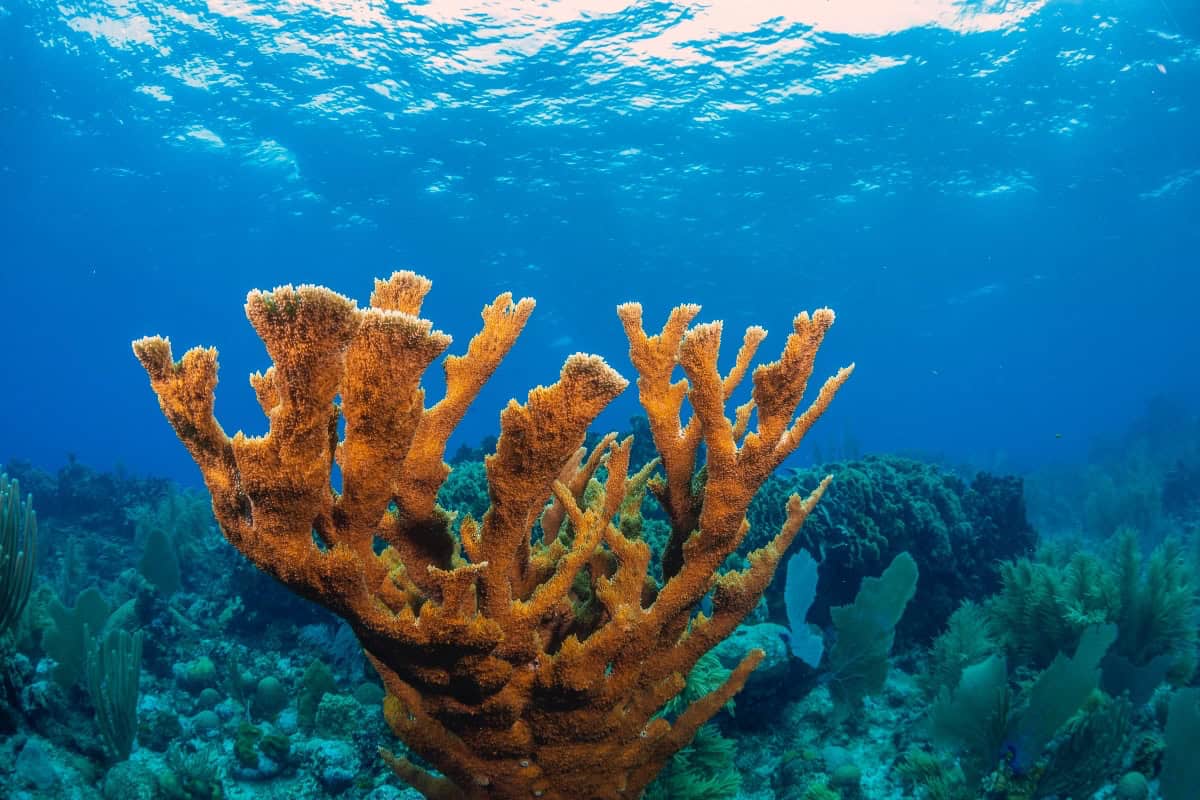

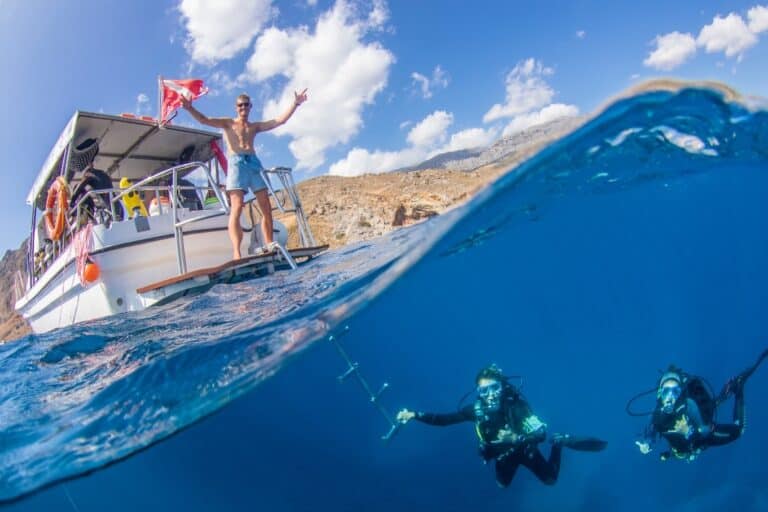
If you’re looking into Roatan diving, you’ll quickly see why so many divers come here. You’ve got colourful reefs, dramatic walls, wrecks and plenty of marine life, often just a short boat ride from shore. And there’s enough variety to keep you busy well beyond a couple of dives.
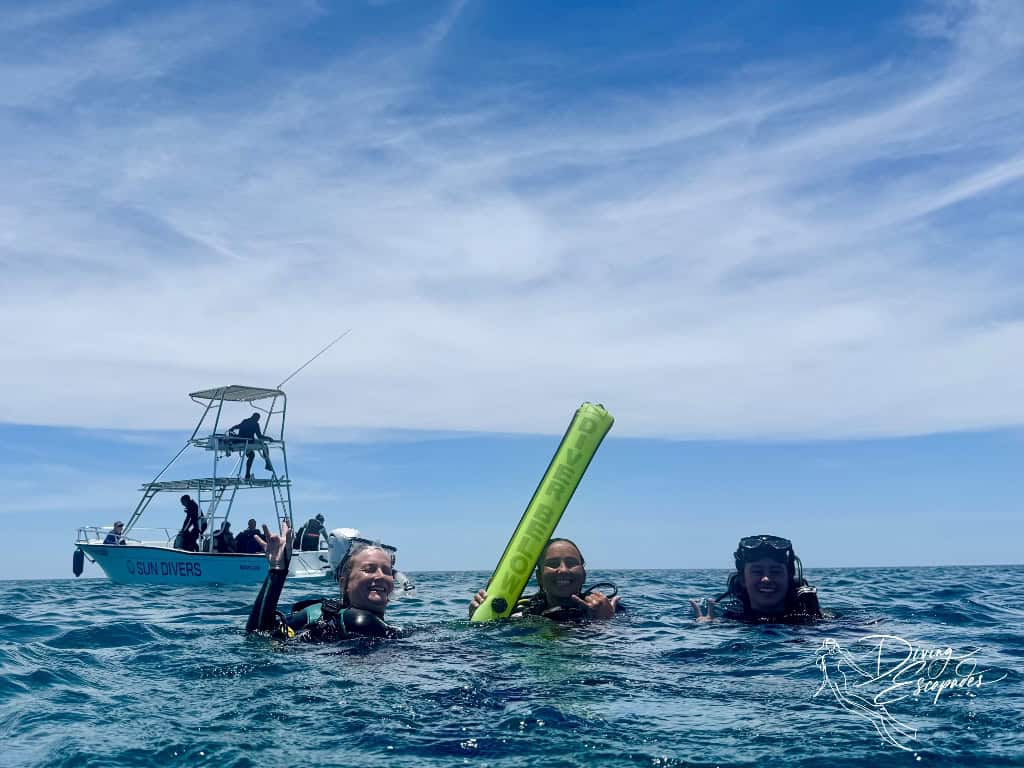
I went diving in Roatan in May 2025, booking independently with Sun Divers during a cruise stop. I loved the small-group experience, and it also taught me a few things worth knowing if you’re planning to dive from a cruise ship.
I’ll share the Roatan dive sites worth adding to your list, the costs to plan for, the best time to visit and some practical tips for getting everything organised. There’s advice for both longer dive holidays and cruise stops. Let’s dive in!

Roatan Diving Overview
Roatan is part of the Mesoamerican Barrier Reef System, one of the world’s largest barrier reef systems. That means you can spend one dive exploring coral gardens and the next drifting past a wall or through a channel. There are wrecks and sandy slopes to explore too.
If you want to be close to the dive shops, West End and West Bay are good places to start looking. Sandy Bay and the north coast have more reef and wall sites to explore. Your operator can help you pick the right side of the island for the conditions that day.
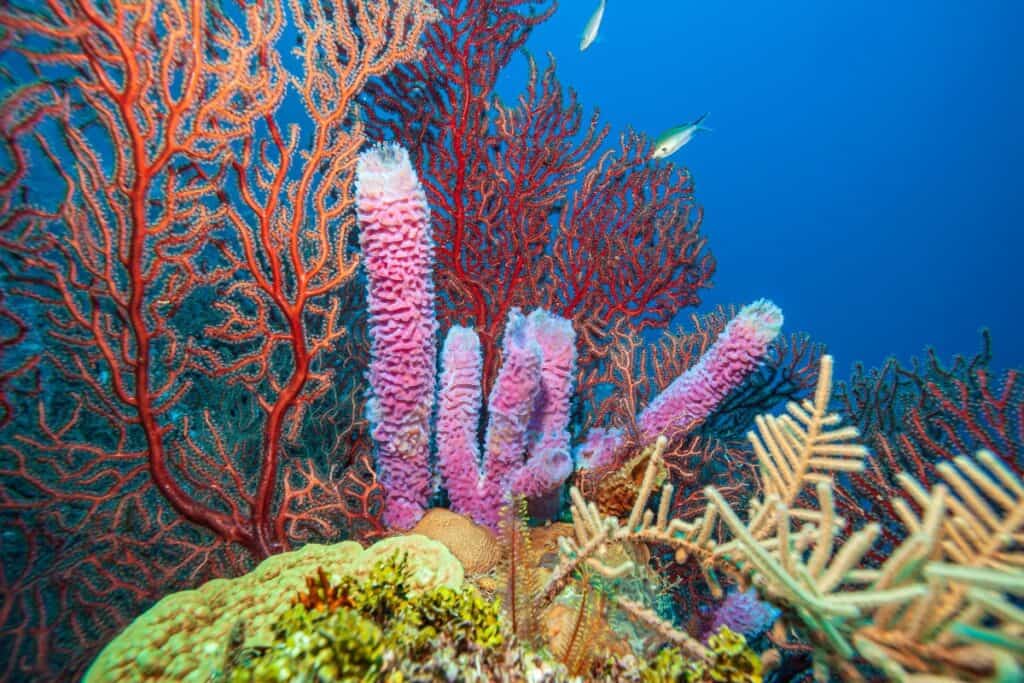
New to diving? Ask for a shallower, sheltered reef to get comfortable. If you have more experience, you can look into the deeper walls and wrecks. Just remember that Roatan diving isn’t all gentle drifting. Some sites have stronger currents, so don’t pick a site purely because it looks amazing in photos.
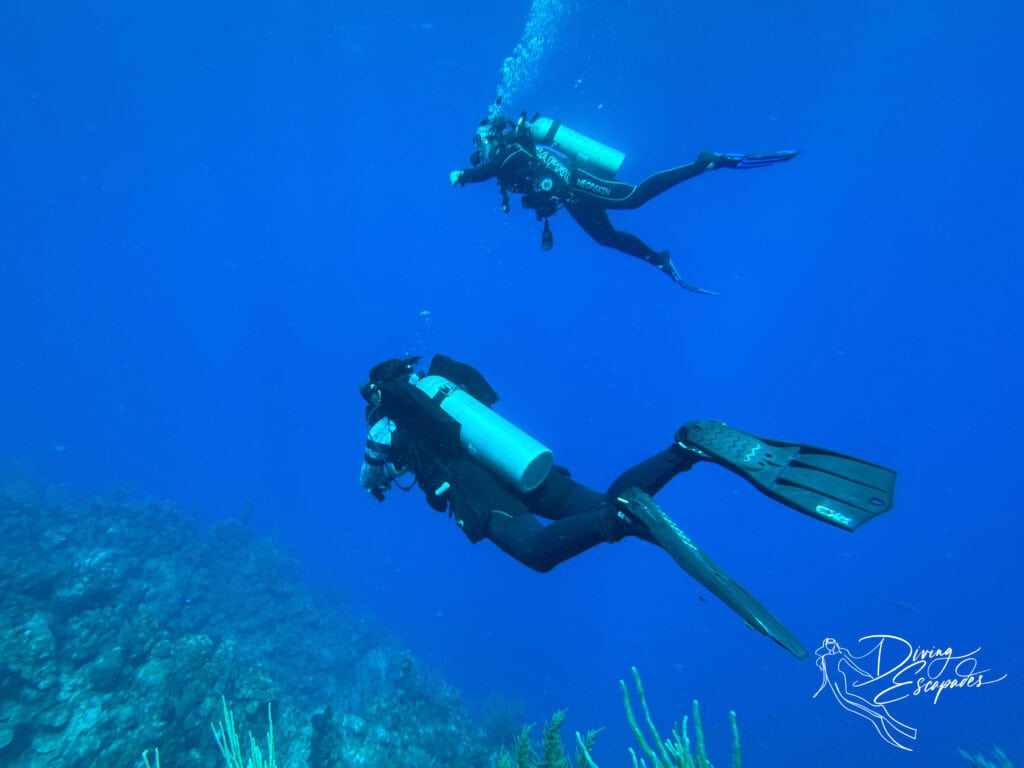
Visibility was excellent when I visited, and both of my dives were drifts. We followed our guide along the reef, letting the current carry us while the boat picked us up farther along. I loved it, but keep in mind that some Roatan dive sites have much stronger currents than others.
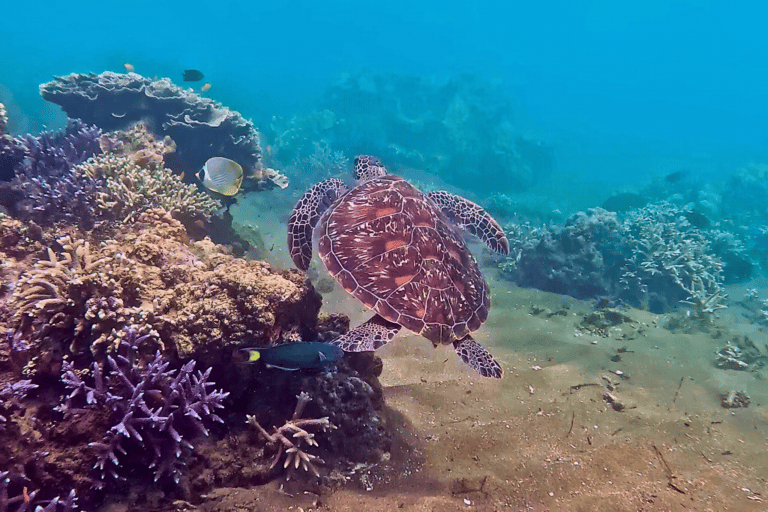
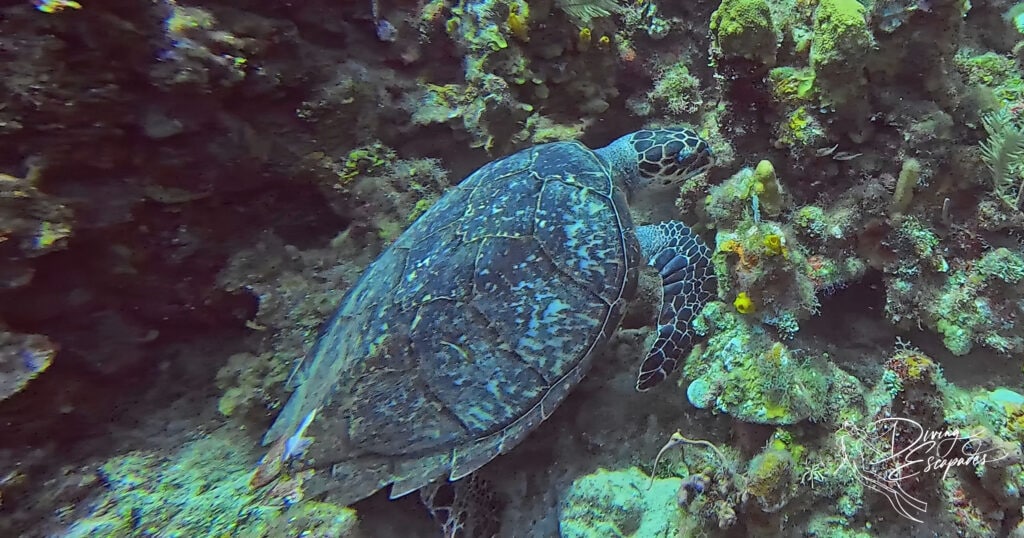
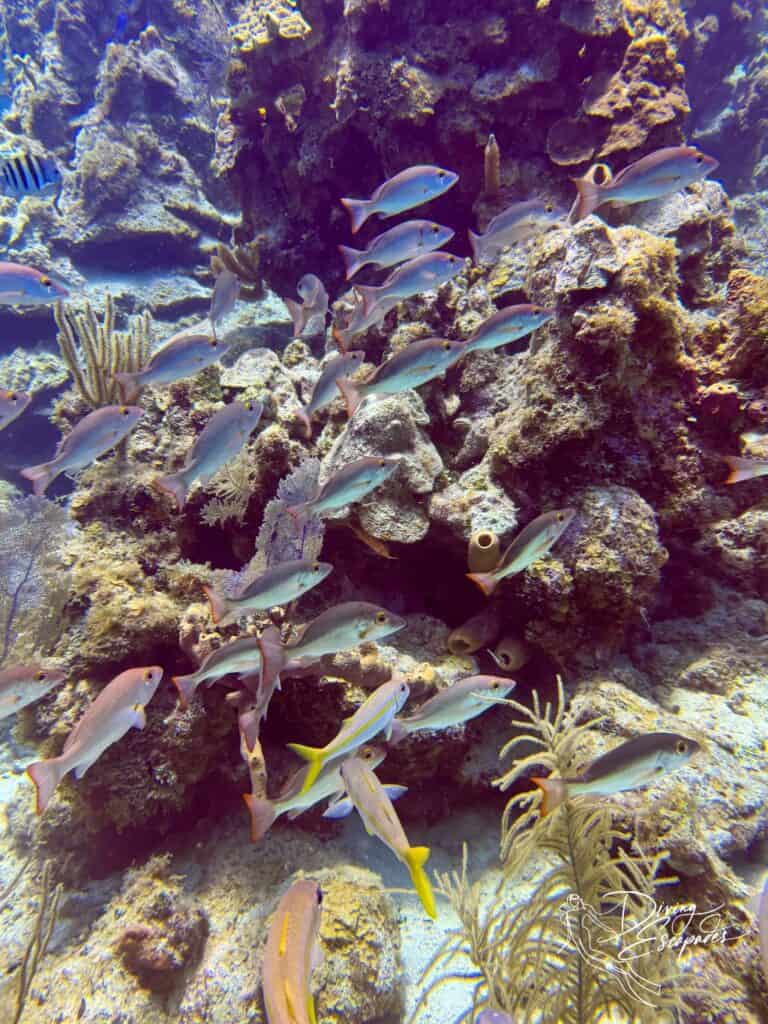
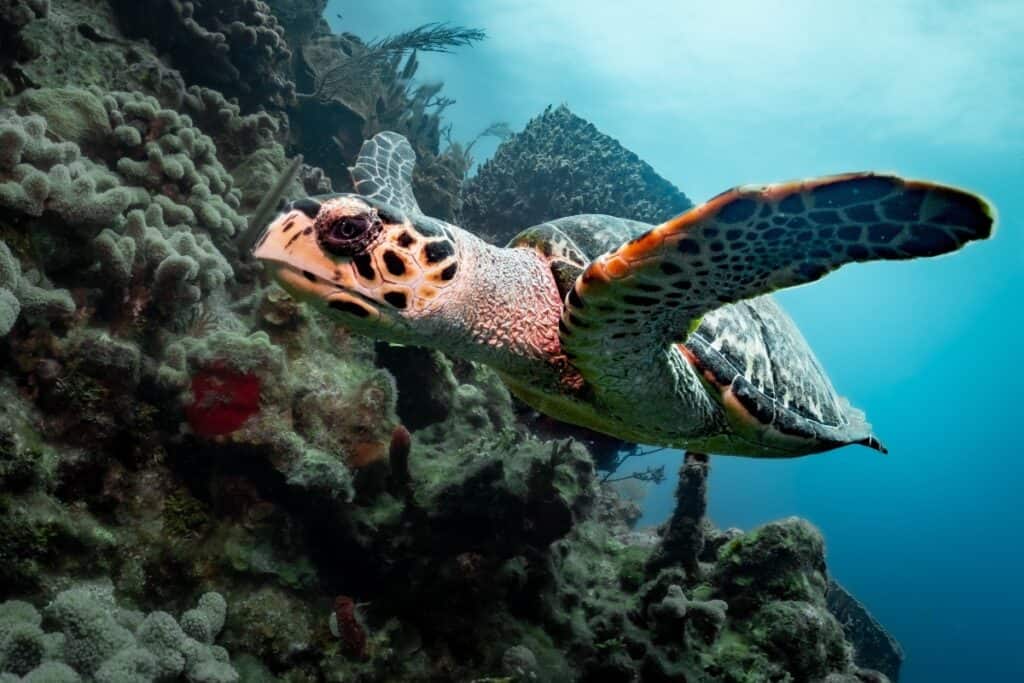
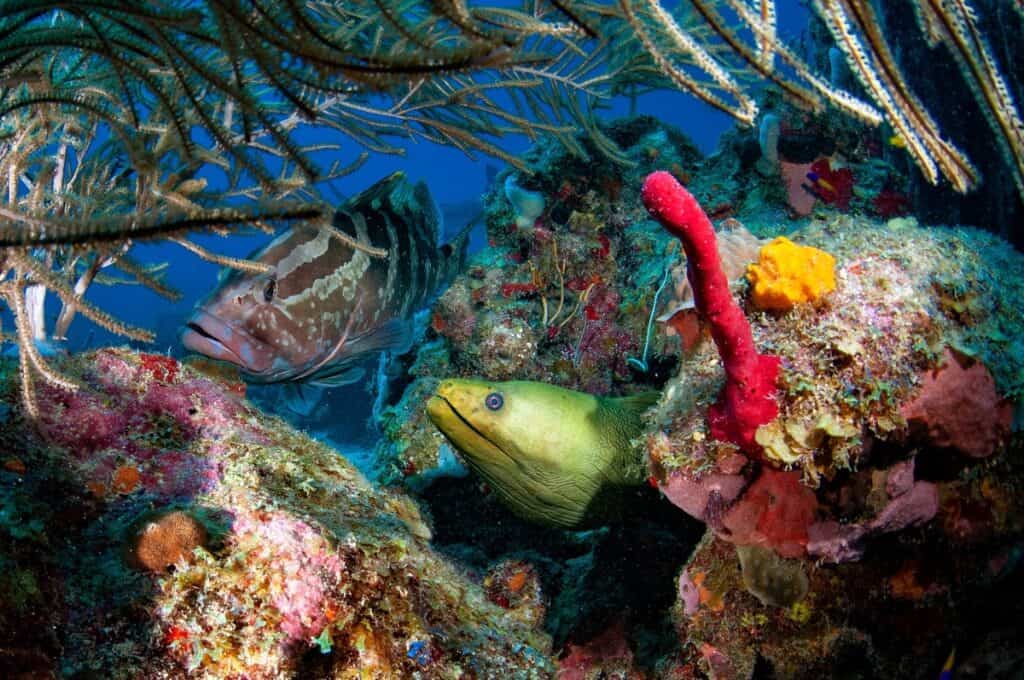
I spotted a hawksbill turtle, black groupers, green moray eels, parrotfish, a spotted eagle ray and plenty of wrasses. Those were my encounters, so don’t treat them as a guaranteed wildlife checklist! There’s also plenty to enjoy on the reef itself if you take your time and look around.
Coming by cruise? Make sure the dive operator knows your ship’s all-aboard time and agrees to a return time that leaves you plenty of breathing room.
Recommended Dive Center
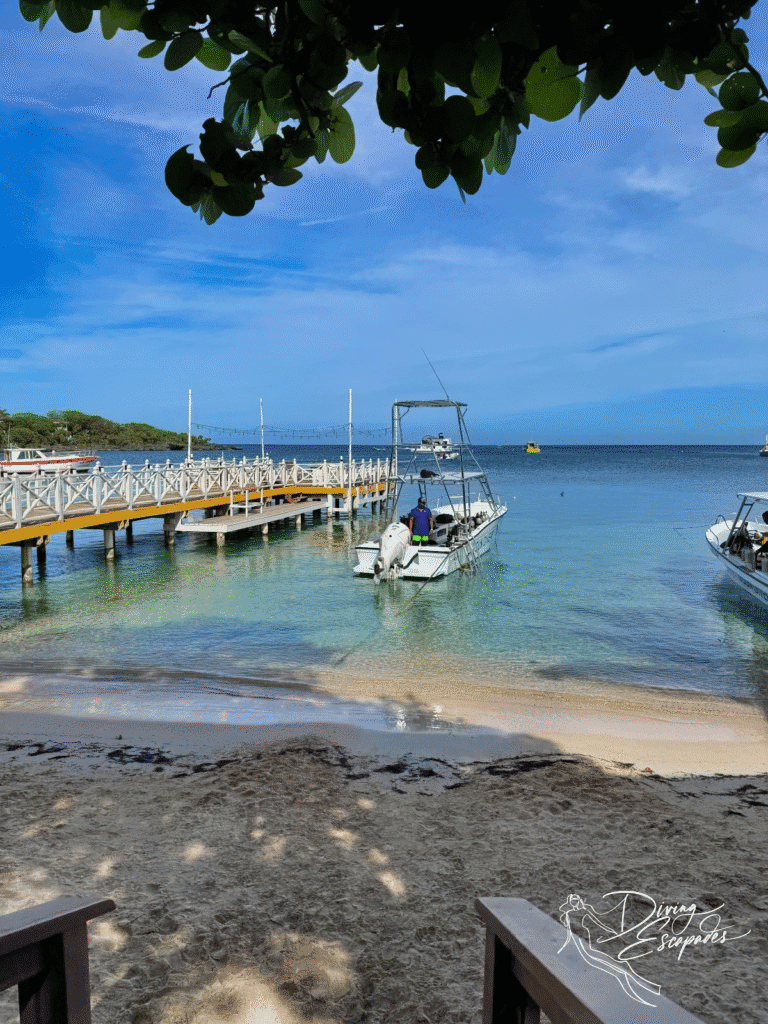
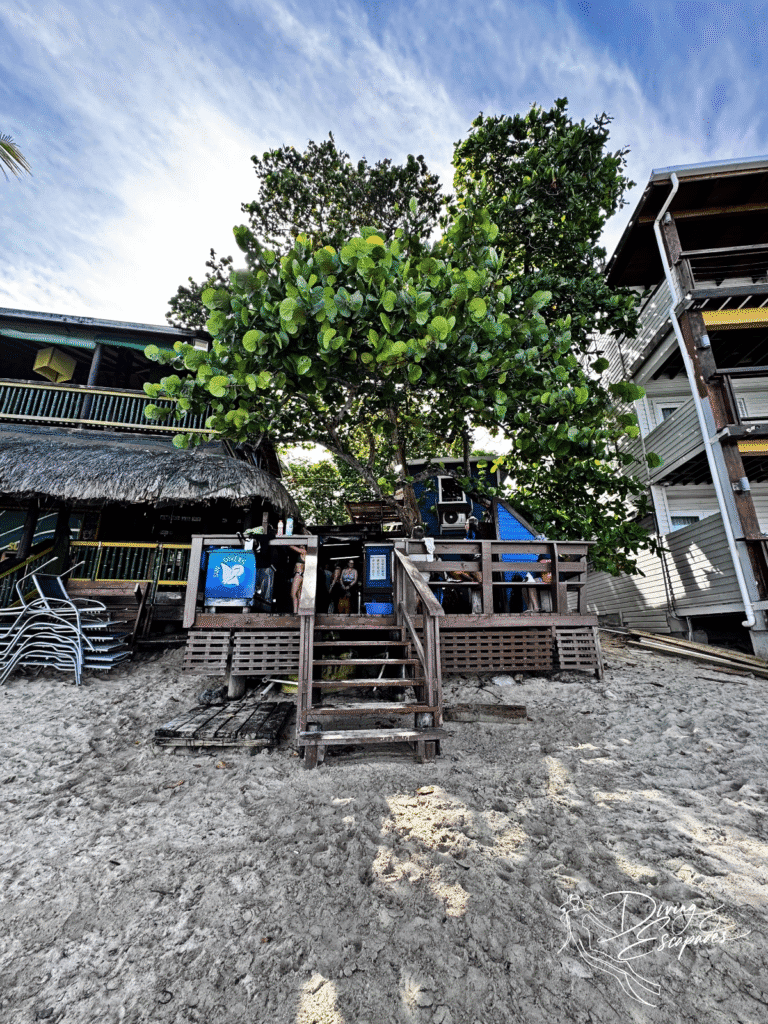
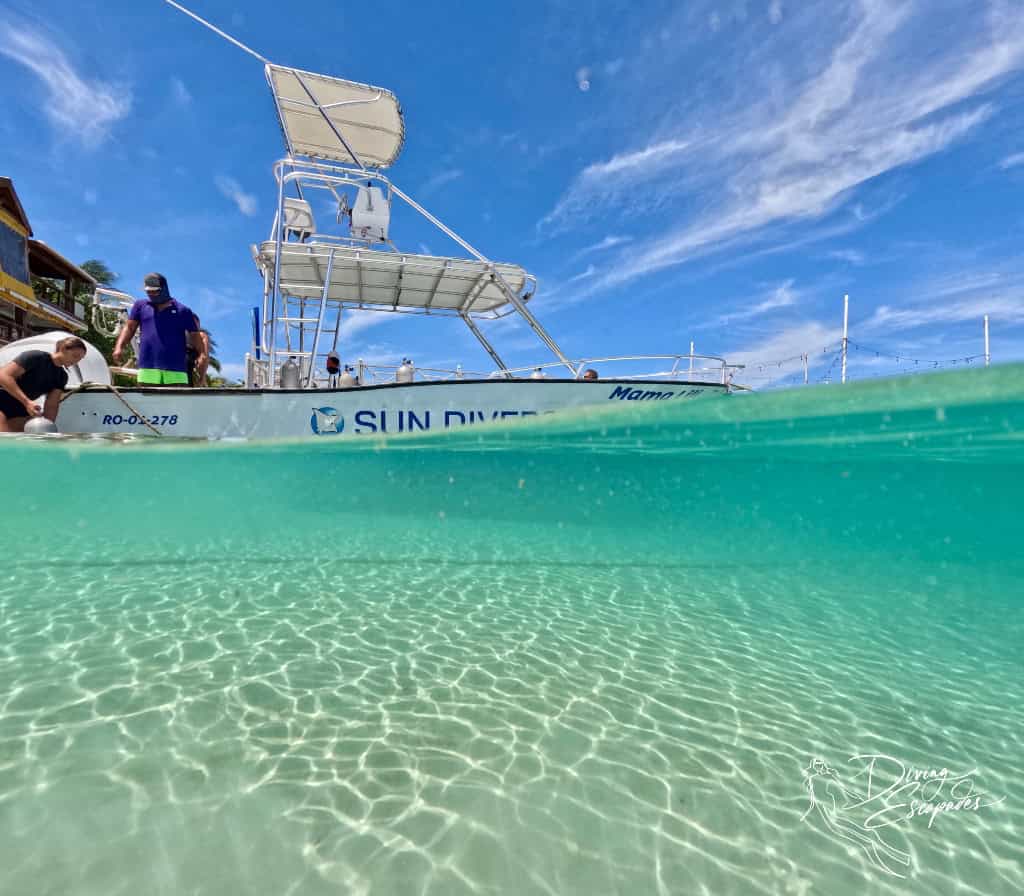
I booked with Sun Divers Roatan at Half Moon Bay in West End, and I’d happily dive with them again. I was looking for a smaller group and a dive centre that takes reef conservation seriously, and that’s what I found.
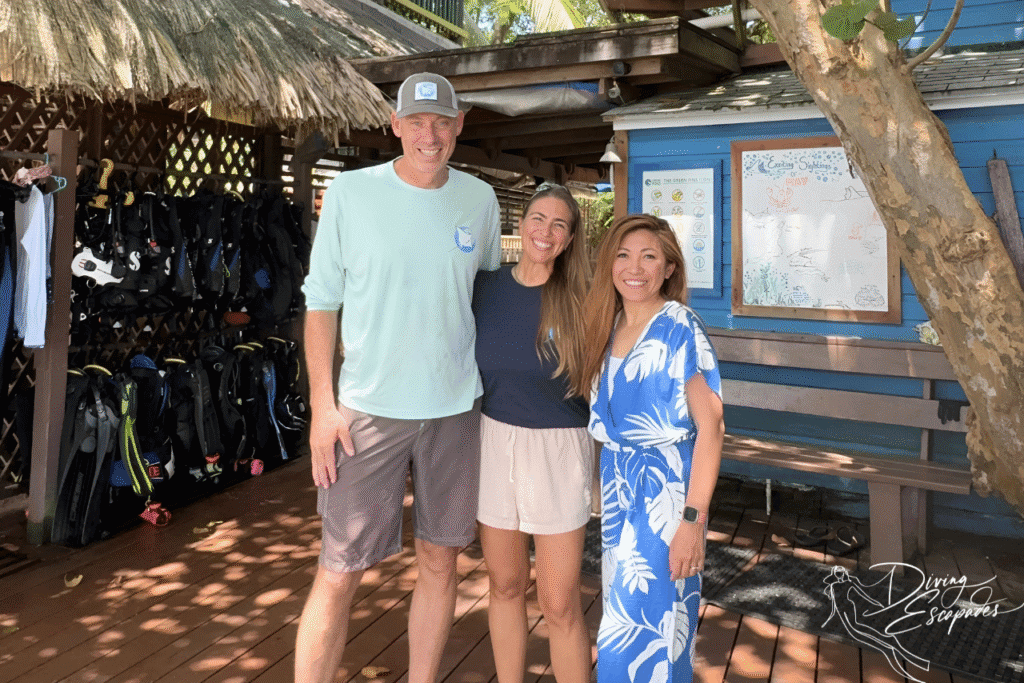
Sun Divers was Roatan’s first PADI Eco Center and is also involved with Green Fins. I’d looked into their conservation efforts before booking, but what I appreciated most was seeing that approach carry through to the briefings and the dive itself.
I also had a chance to chat with owners Shannon and Natalie Shuman. Natalie told me about their reef protection projects, local partnerships and work with the community. If you’d like to know more about the team and their sustainability approach, I’ve covered that in my separate review.
For a more in-depth look at what makes them stand out, check out my full feature post here: What It’s Really Like to Dive with Sun Divers Roatan: A PADI Eco Center That Walks the Talk
Booking, Pickup & Dive Experience
I booked just a few days before arriving, using email and WhatsApp, and paid online. It was all pretty straightforward. Before you pay, though, ask for the final amount, including any tax or payment fees, and confirm the pickup details.
I also liked that the booking was completely paperless. No forms to print or carry around the ship!
One detail you definitely don’t want to overlook is the time difference. My ship followed Miami time, which was two hours ahead of Roatan in May 2025. That gap changes depending on the season, so don’t assume your phone, ship and dive shop are all using the same clock.
Sun Divers confirmed the schedule in local time, so I knew exactly where to be and when.
PRO TIP: Send the operator a screenshot of your ship’s port times and confirm whether those times are ship time or Roatan local time. Also agree on a return time with plenty of room before all-aboard.
My package included roundtrip cruise-port transport to their shop in West End and two guided dives. Confirm what is included when you book.
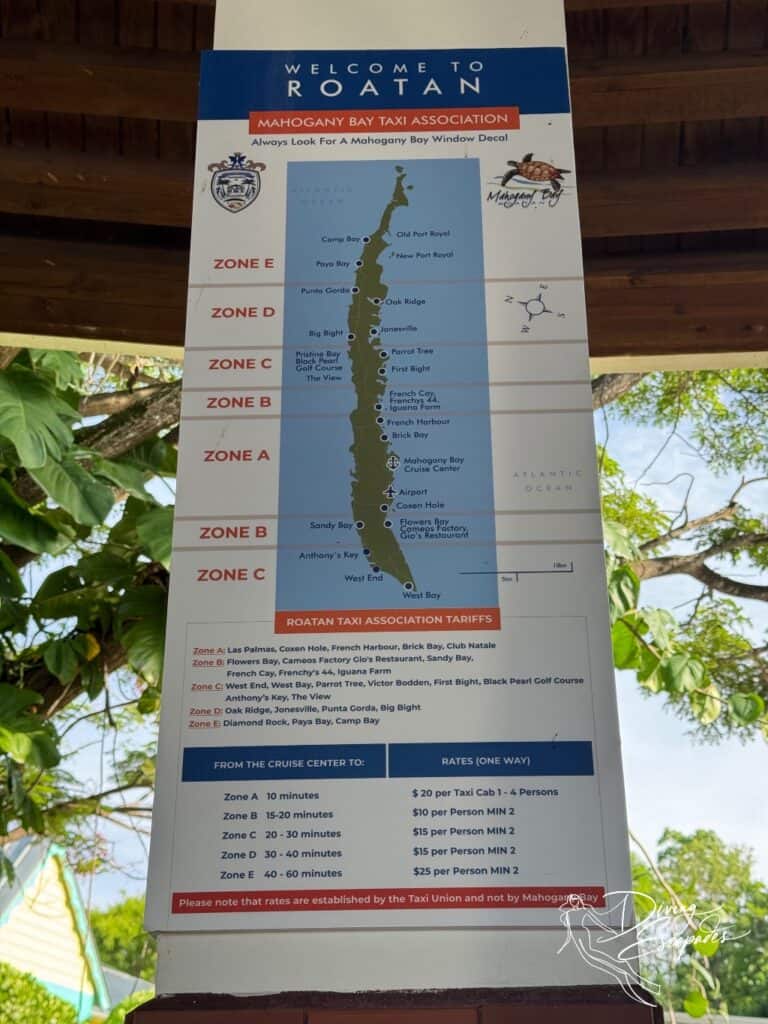
Our driver, Luis, was waiting just outside the port gate with a Sun Divers sign. Back when I visited, the port was called Mahogany Bay; it’s now branded Isla Tropicale.
It took about 30 minutes to reach Half Moon Bay. Our guide, Marta, was lovely: clear with her briefings and attentive to everyone’s experience level.
There were two dive groups on the boat and only four divers in mine. Marta chose sites that suited our certifications, and I really appreciated having that smaller group. It’s something I’d ask about when comparing Roatan dive shops.
Pricing & Extra Options
Sun Divers required a minimum of two divers for my cruise booking. If you’re travelling solo, don’t rule them out straightaway, but do ask if they can fit you into another group.
It’s worth contacting the shop early, since joining another booking isn’t always possible on your particular sailing.
Here’s a rough idea of the pricing:
$150 per person for 2 people
$140 per person for 3 people
$135 per person for 4+ people
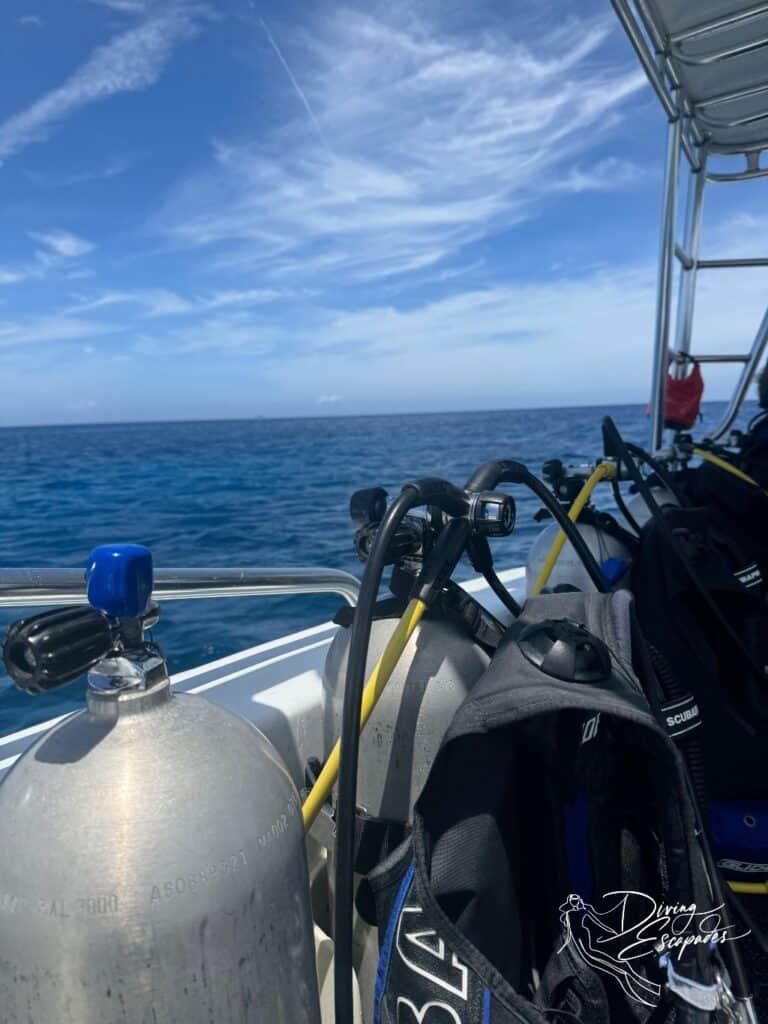
All prices include gear rental and roundtrip transport from the cruise ship dock.
There was also free Wi-Fi at the shop when I visited, handy if you want to send a quick message before heading back to the ship.
Travelling with someone who doesn’t dive? Sun Divers also advertises Discover Scuba Diving and snorkelling trips. It’s worth asking about those options so everyone has something to do.
PRO TIP: For a cruise stop, confirm the two-dive schedule and return transfer before paying. Prices and availability can change, particularly on busy port days.
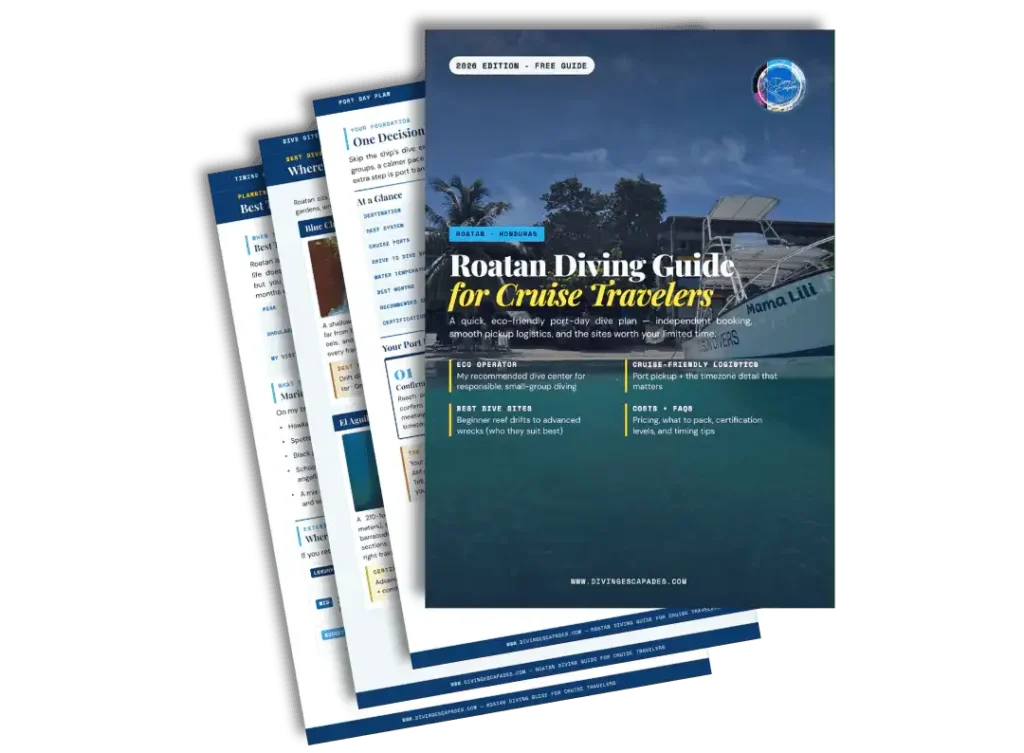
Ready to dive Roatan on a cruise stop?
• Follow an eco-friendly port-day dive plan with independent booking
• Understand smooth port pickup + the timezone detail that matters
• Discover top dive sites, from beginner drifts to advanced wrecks
👉 Download your FREE guide here.
Best Diving Sites in Roatan
One of the best things about Roatan diving is how much variety you have. I dived Blue Channel and Pillar Coral myself, while the other sites below are recommendations and researched options. Use them to narrow down what interests you, then ask your dive centre which sites suit your experience.
1. Blue Channel
If you enjoy drifting past coral formations and exploring little passages in the reef, put Blue Channel on your list.
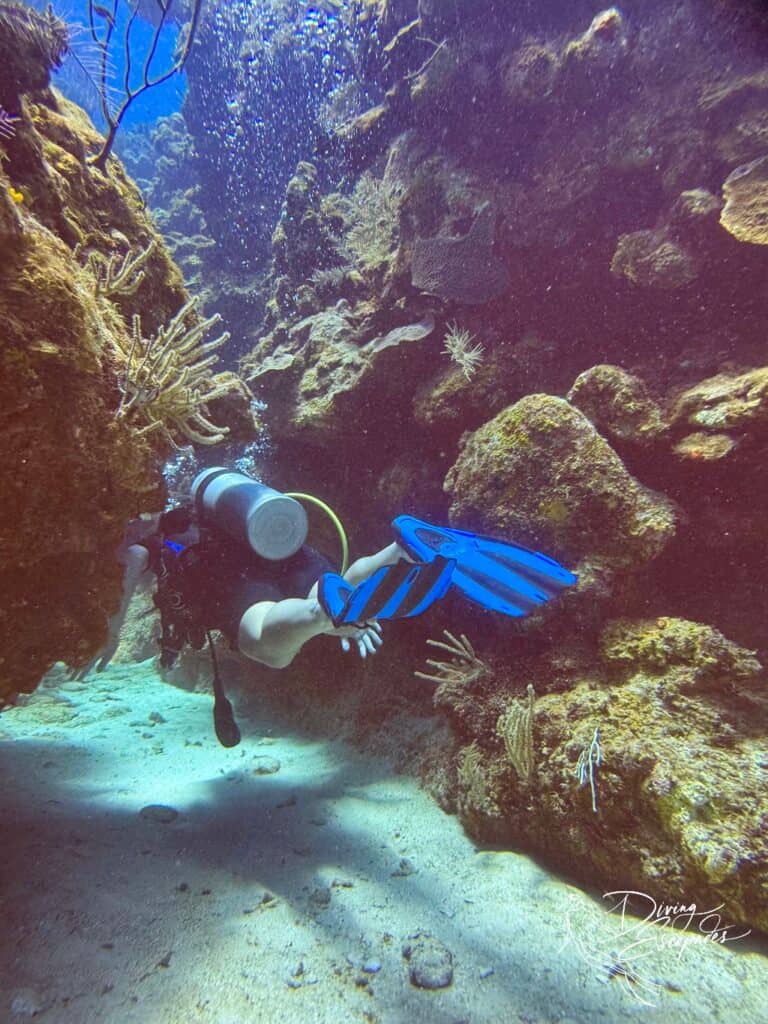
We drifted through narrow coral passages, crossed sandy patches and spotted moray eels hiding in the crevices. There was even a short swim-through. If you’re fairly new to diving, ask your guide about the route and conditions before going through any passages.
Good for: Divers who enjoy reef photography, channels and gentle drift diving when conditions allow.
2. Pillar Coral
Pillar Coral was another lovely dive. As the name suggests, the coral formations are a big part of what makes this site interesting, and there’s plenty of fish life around them too.
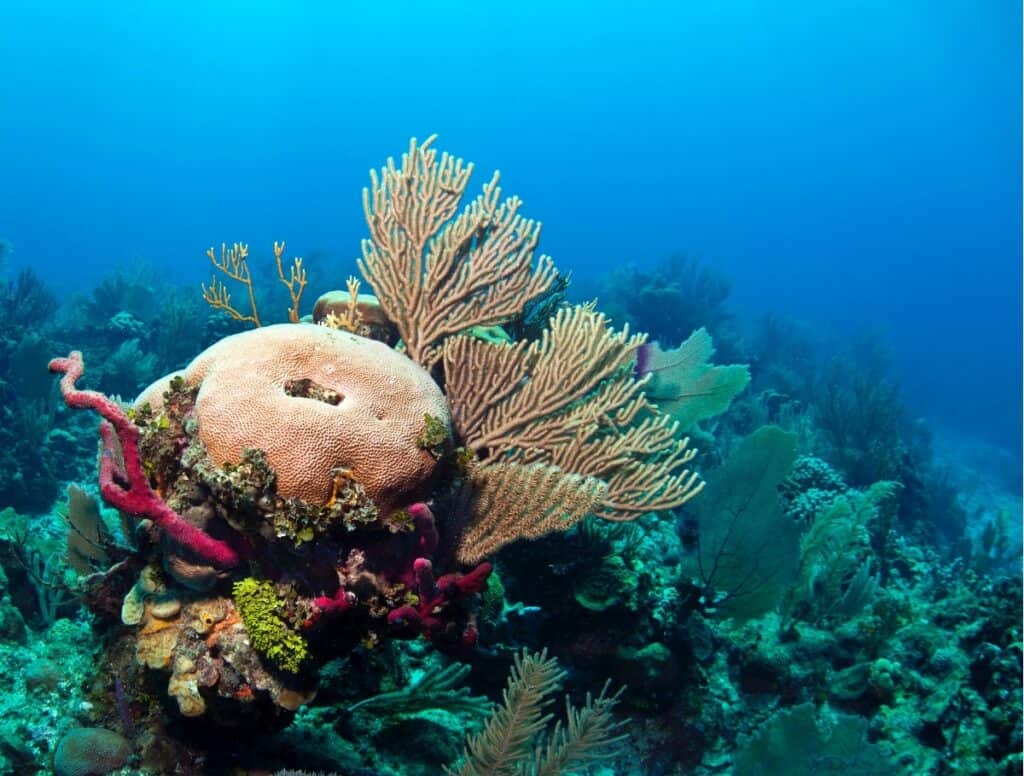
This is where I saw a hawksbill turtle feeding, along with black groupers and plenty of parrotfish. I could have spent ages watching the turtle! Of course, give the wildlife space and let it carry on doing its thing.
Good for: Taking your time with reef life and coral photography.
Natalie from Sun Divers also recommended these next two sites. I haven’t dived them myself, but they’re worth knowing about if you’re planning more time underwater.
3. El Aguila
If you enjoy wreck diving and have the right training, ask about El Aguila. The former cargo ship was around 250 feet (76 m) long and was sunk as an artificial reef in 1997. It rests at about 110 feet (33 m), and divers may see groupers, barracudas and moray eels around it.
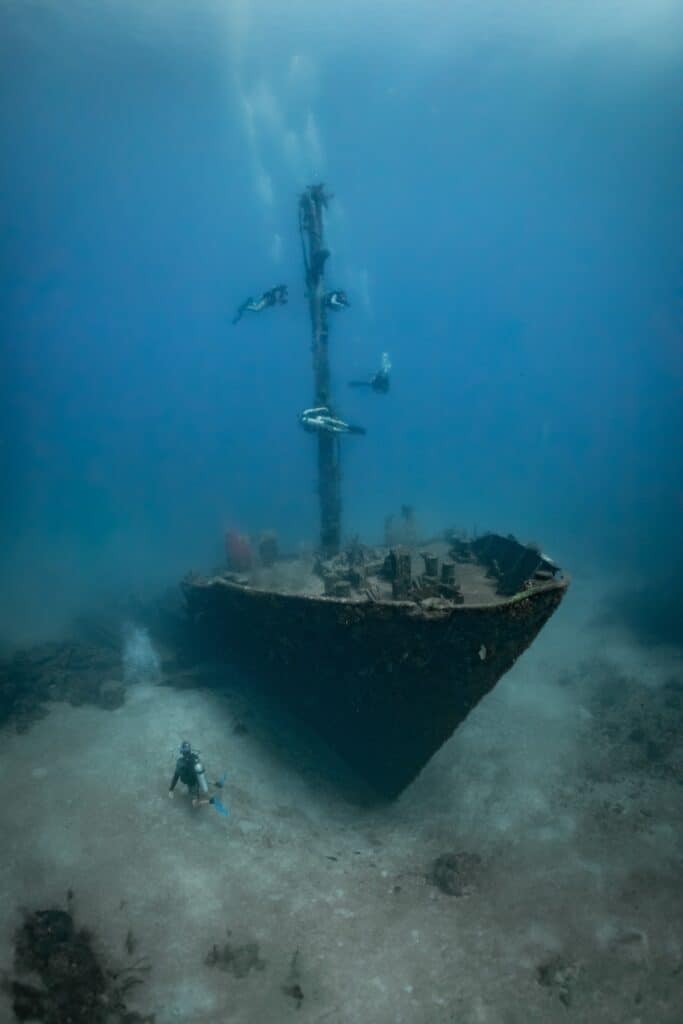
Hurricane Mitch broke the wreck into three sections in 1998. It’s a deep dive, so check the operator’s certification and experience requirements, and stay within your depth limits. Going inside a wreck is a different matter altogether and needs specialised training.
4. The Point (Texas and Pablo’s)
The Point, around Texas and Pablo’s at the western tip of Roatan, is one to ask about if you’re comfortable with drift diving. The current can be strong, and your guide will decide which sections are suitable that day.
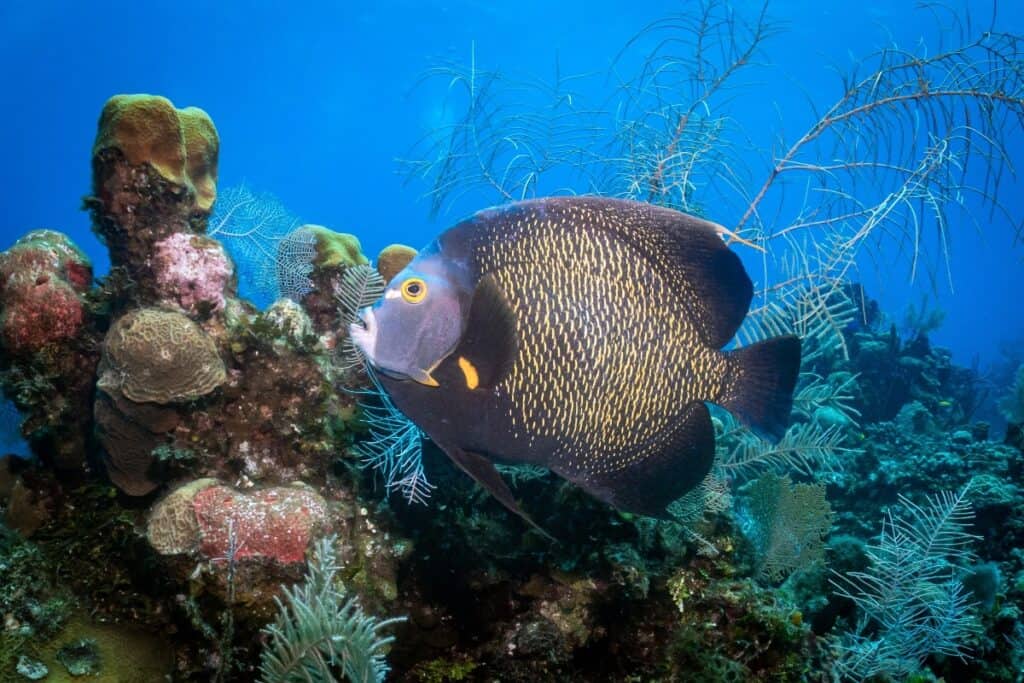
The current can attract schools of creole wrasse and larger fish such as jacks. It’s the sort of site I’d save until you’re comfortable with drift diving rather than choose as your very first reef dive.
More Top Dive Sites in Roatan
There are plenty more Roatan dive sites to explore. I haven’t dived the ones in this table, but here’s a useful starting point for comparing depths, experience levels and what you might see. Your guide can help you choose based on conditions.
| Dive site | Typical depth or feature | Suitable experience | What to expect |
|---|---|---|---|
| Mary’s Place | Deep fissures and vertical crevices | Confident intermediate divers and above | Gorgonians, canyon walls and reef fish |
| Hole in the Wall | Deeper descent, potentially around 39 m (130 ft) | Advanced/deep-trained divers | Wall, openings and dramatic topography |
| Cara a Cara | Sandy bottom around 21 m (70 ft) | Certified divers comfortable with the planned profile | Organised Caribbean reef shark encounter; ask about feeding practices |
| Coco View Wall | Wall and sand at around 25 m (82 ft) | Varies by depth and route | Sponges, small reef life and garden eels |
| Mandy’s Eel Garden | About 6–20 m (20–65 ft) | Newer certified divers | Garden eels and juvenile reef fish |
| Spooky Channel | Deep channel with variable visibility | Comfortable divers with a qualified guide | Rock formations, channel and reef fish |
| Dolphin’s Den | Around 5–12 m (15–40 ft), passages | Varies by route; overhead sections need special care | Coral caverns, schooling fish and crustaceans |
Mary’s Place is known for its narrow crevices and coral-covered walls. If underwater photography is your thing, it’s worth asking your dive centre about visibility, depth and the best route for your experience level.
Cara a Cara is a different experience altogether: an organised Caribbean reef shark dive. Before booking, ask if feeding or baiting is involved, check the planned depth and decide if that kind of encounter is right for you.
Roatan Diving: Best Time to Dive
You can go diving in Roatan throughout the year, but March to September is generally the drier period and a good place to start when choosing dates. Keep in mind that wind and swell can still change the day’s dive plans.
The water is usually warm, at roughly 25–31°C (78–88°F) depending on the season. A 3 mm wetsuit is enough for many divers, but if you get cold easily, you might want more coverage. For a dive-trip packing checklist, see my guide to packing for a dive trip.
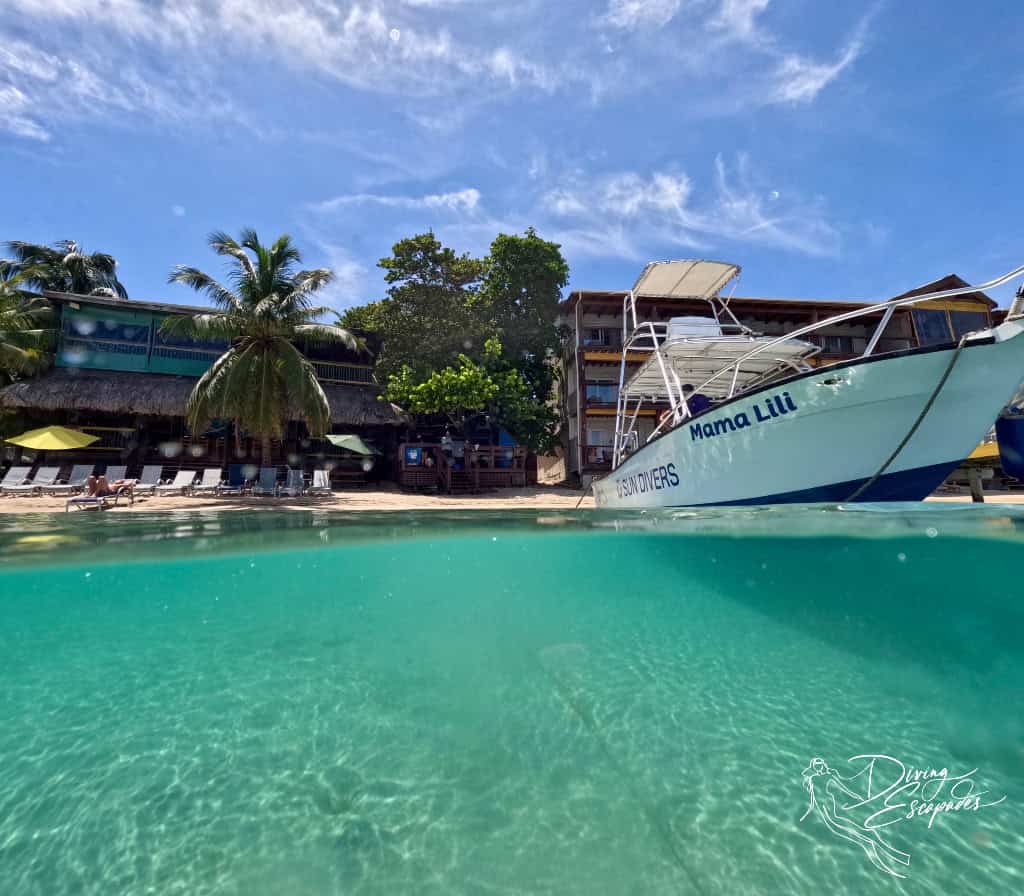
I visited in May 2025 and had excellent visibility. Still, it’s worth asking your dive centre about the conditions around your travel dates rather than counting on every day being the same.
From around mid-October to late February, Roatan tends to get more rain. Diving doesn’t stop, but rougher weather can change which reefs the boats can reach, and some trips may be cancelled.
Turtles, groupers, parrotfish and wrasses are among the reef animals you might spot in any season. As for whale sharks, nearby Utila is better known for sightings. They’re occasionally reported around Roatan too, but I wouldn’t plan a trip here expecting to see one.
Where to Stay in Roatan
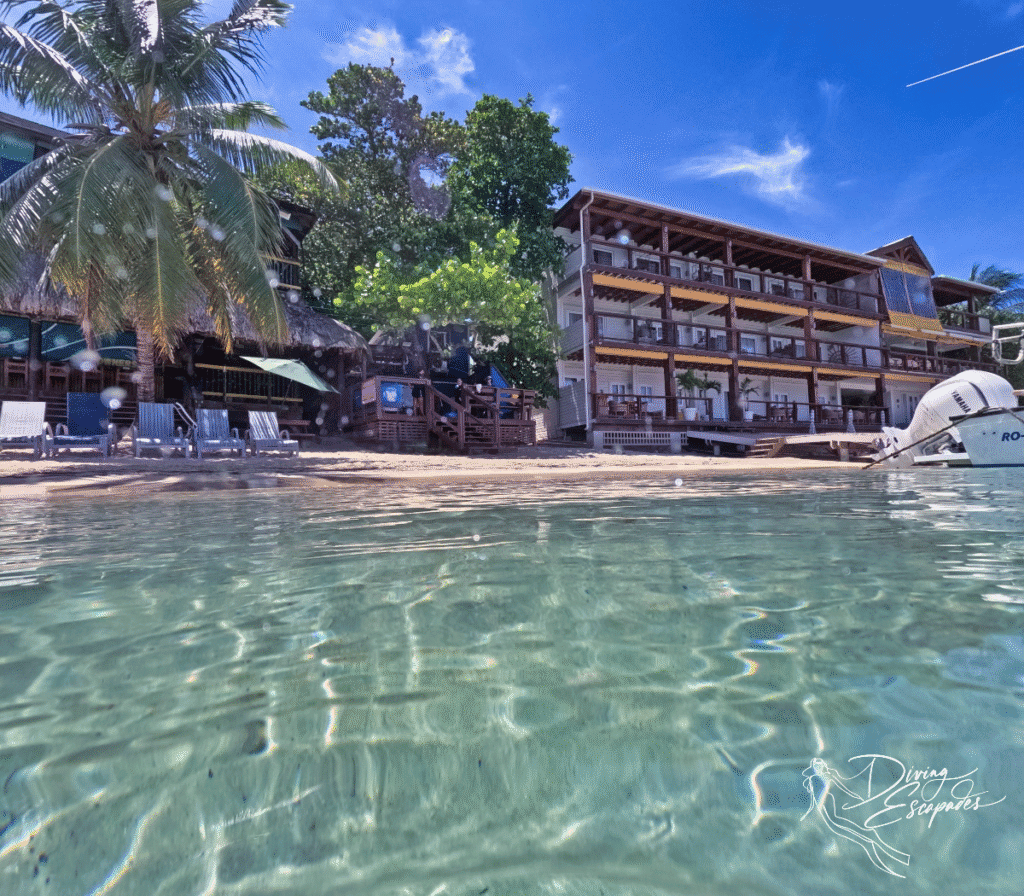
If you’re planning a few days of Roatan diving, I’d start by looking at West End. You’re close to dive shops, restaurants and many boat departures. West Bay is another option, while Sandy Bay may appeal if you’d rather stay somewhere quieter. I haven’t stayed at the hotels below, so they’re options to compare rather than personal hotel reviews.
📍 Budget Option: Hotel Chillies – Backpacker vibes right on the beach. Clean, basic, and a great location.
📍 Mid-Range Option: Mr. Tucan Hotel – Boutique feel without the boutique price tag. Walkable, cozy, and well-reviewed.
📍 Luxury Option: The Beach House Boutique Hotel – Gorgeous rooms, beachfront views, and all the pampering you deserve. Sun Divers is located just next door, and they even offer dive and stay packages—so you can stroll over, gear up, and be on the boat in minutes.
How to Get There: Cruise Port Diving
Diving in Roatan from a cruise ship is absolutely doable, but first check which port your ship uses. There are two main cruise-port areas, and the pickup arrangements are different. If you’re booking independently, arrange your transfer ahead of time and leave plenty of time to get back to the ship.
From Isla Tropicale (formerly Mahogany Bay): This port serves Carnival and several related cruise brands. For my Sun Divers pickup, I walked outside the gate to meet the driver. Ask your operator exactly where to go, since the pickup point may change.
It’s roughly a 30-minute drive to West End, depending on traffic. Make sure the pickup is confirmed before you leave the ship.
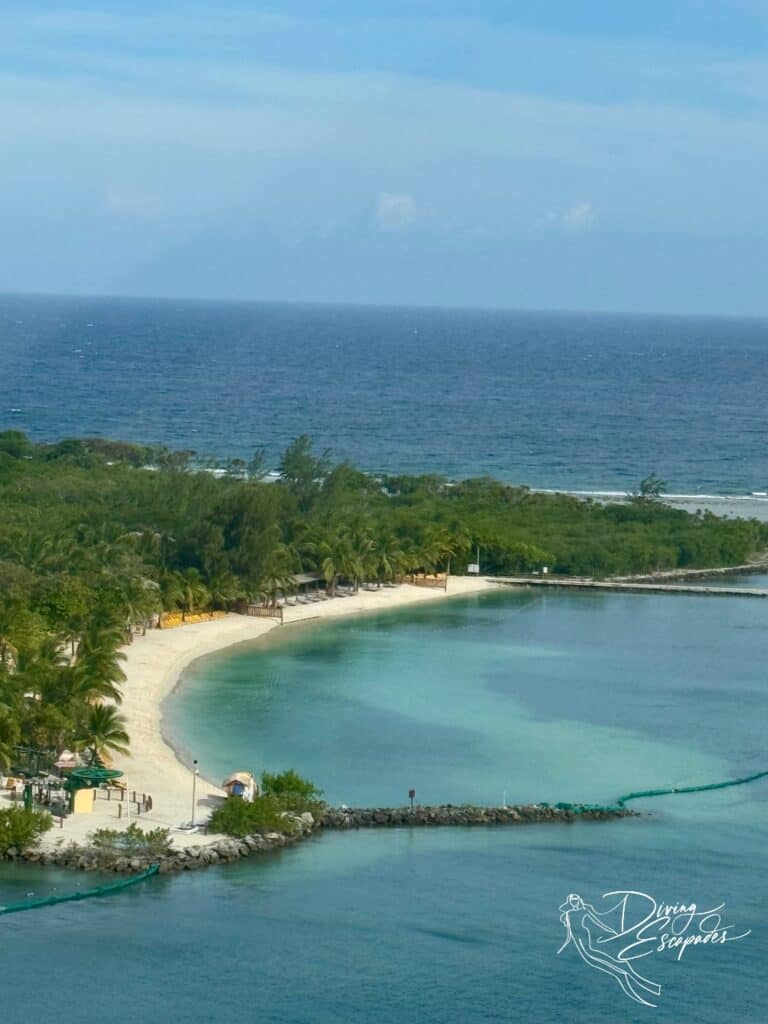
From Coxen Hole / Town Center: Other major cruise lines use this port, which is usually a little closer to West End. Allow about 20–25 minutes by car, plus extra time for traffic.
PRO TIP: Roatan stays on UTC−6 all year, but Miami changes clocks. When Miami is on daylight saving time (roughly March to early November), Roatan is two hours behind; during Miami’s standard-time months, it’s one hour behind. On my May 2025 cruise, 8:00 AM ship time meant 6:00 AM locally, and pickup was 7:30 AM Roatan time. Your ship may use a different clock, so confirm its time zone and the all-aboard deadline in writing with the dive shop.
Roatan Diving FAQs
A few questions worth answering before you book your Roatan dives:
Is diving in Roatan worth it?
Yes! Roatan has colourful reefs, impressive walls and dive sites just a short boat ride from shore. You don’t have to be an advanced diver to enjoy it, either. Just choose sites that match your certification and comfort in the water. You can also read my guide to safety in Roatan if you’re planning your visit.
What is the best month to scuba dive in Roatan?
I’d look at March to September first, since those months are generally drier. You can still dive at other times of year, but from mid-October to late February you’re more likely to encounter rainy weather. Keep your plans a little flexible.
How much does it cost to dive in Roatan?
I paid $185 in May 2025, including gear and roundtrip transport (note: I was travelling solo). But if you are two people or more, here are the rough rates:
– $150 per person for 2 people
– $140 per person for 3
– $135 per person for 4+
All prices include gear rental and roundtrip transport from the cruise ship dock. Check the final price and inclusions directly with your operator, since rates can change.
Can you dive Roatan from a cruise ship without booking the ship’s excursion?
Yes! That’s what I did in May 2025 when I booked directly with Sun Divers. Just confirm the pickup point, dive timings, ship’s clock and return arrangements before you pay. Remember that the ship may not wait if an independent excursion runs late.
What is the time difference between my ship and Roatan?
Roatan stays on UTC−6 all year. It’s two hours behind Miami during US daylight saving time and one hour behind in winter. But your ship might use a different clock, so check your itinerary and confirm the pickup time in Roatan local time.
Do you need Advanced Open Water to dive in Roatan?
Not at all! You can enjoy plenty of shallow reefs with an Open Water certification when conditions are suitable. But deeper sites like El Aguila, at around 33 m (110 ft), require additional depth training and experience. Always check the operator’s requirements.
Can you see whale sharks in Roatan?
It’s possible, but don’t count on it. Whale sharks are reported occasionally around Roatan, while nearby Utila is much better known for sightings. I’d treat an encounter here as a very lucky bonus!
The Wrap Up: Roatan Diving
Roatan diving has so much more to offer than a quick cruise excursion. You’ve got shallow reefs, dramatic walls, channels and deeper wrecks, with plenty to explore over several days. And if you’re arriving by cruise, you can still enjoy some excellent dives with a little planning.
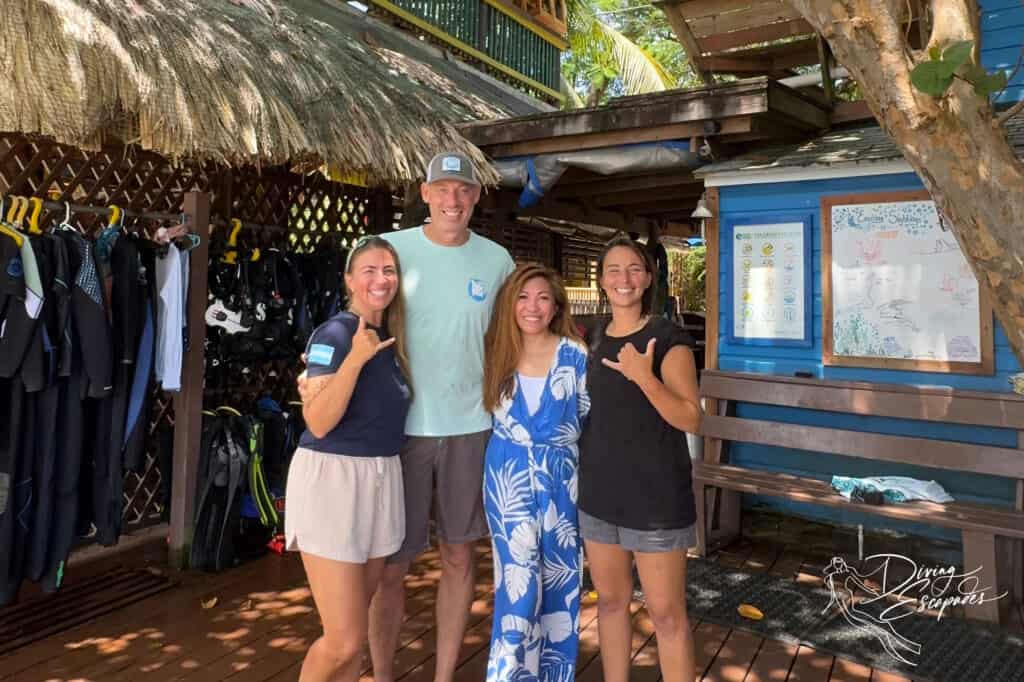
I loved exploring Blue Channel and Pillar Coral with Sun Divers, especially the small group and the team’s focus on reef protection. Those are the dives I can recommend from my own experience.
If you’re coming by cruise, get the transport, local time and all-aboard deadline sorted before you book. Staying longer? Give yourself the chance to explore reefs beyond West End and leave a little flexibility for the weather.
And don’t overlook the dive centre itself. Choosing a team that cares about the reef makes a difference. I’ve shared more ideas in my guide to sustainable diving as the ultimate path forward.
If you’re considering other western Caribbean ports, you might also like my guide to scuba diving in Cozumel.
Safe travels!
Ready to dive Roatan on a cruise stop?
• Follow an eco-friendly port-day dive plan with independent booking
• Understand smooth port pickup + the timezone detail that matters
• Discover top dive sites, from beginner drifts to advanced wrecks
👉 Download your FREE guide here.